Key Takeaways
- Kisspeptin is banned by WADA as a testosterone-stimulating peptide in men; athletes risk doping violations even for legitimate medical use without formal approval from their anti-doping organization.
- No reliable evidence supports kisspeptin improving athletic performance like strength, endurance, or muscle growth; research focuses only on reproductive hormone responses, not sports outcomes.
- Kisspeptin is not FDA-approved and remains an investigational compound; short-term safety studies cannot predict long-term effects from months or years of repeated use.
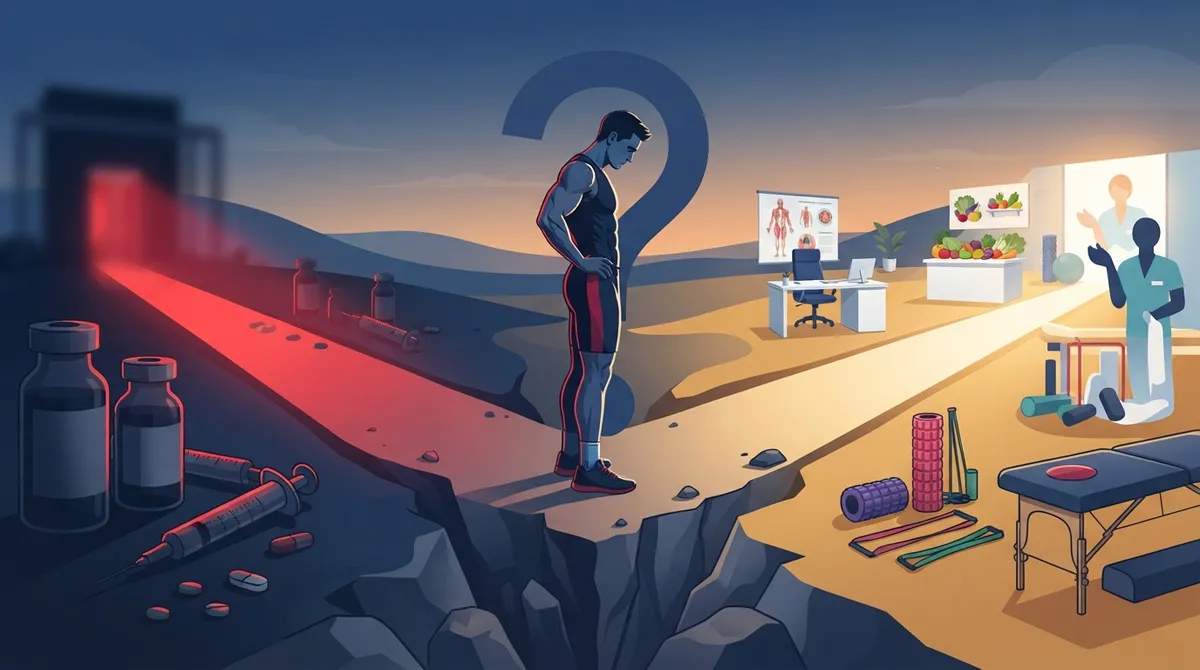
- Athletes with hormonal symptoms should address root causes like overtraining, inadequate calories, and poor recovery through medical evaluation before considering any peptide treatment.
- Unregulated online kisspeptin products lack quality control and may contain contaminants or incorrect ingredients; athletes should only use prescribed products under medical supervision.
- Low testosterone and irregular periods often signal underlying issues like relative energy deficiency in sport, thyroid problems, or nutritional deficiencies that require full medical workup, not quick peptide fixes.
Athletes chasing an edge often hear about new hormones and peptides before their doctors do. Kisspeptin is the latest name circulating in gyms, online forums, and supplement chat groups. It sounds promising: a natural hormone that controls reproduction and testosterone signaling. But athletes who experiment with kisspeptin without medical guidance are making serious mistakes that could harm their health, their fertility, and their competitive eligibility.
At InCare, our primary care and wellness teams in Tampa and Riverview see firsthand how misinformation about peptides leads patients astray. This article breaks down the 12 most common kisspeptin mistakes athletes make, backed by current research and anti-doping rules. Understanding these mistakes can protect your health, your career, and your reproductive future.
What Is Kisspeptin, and Why Are Athletes Talking About It?
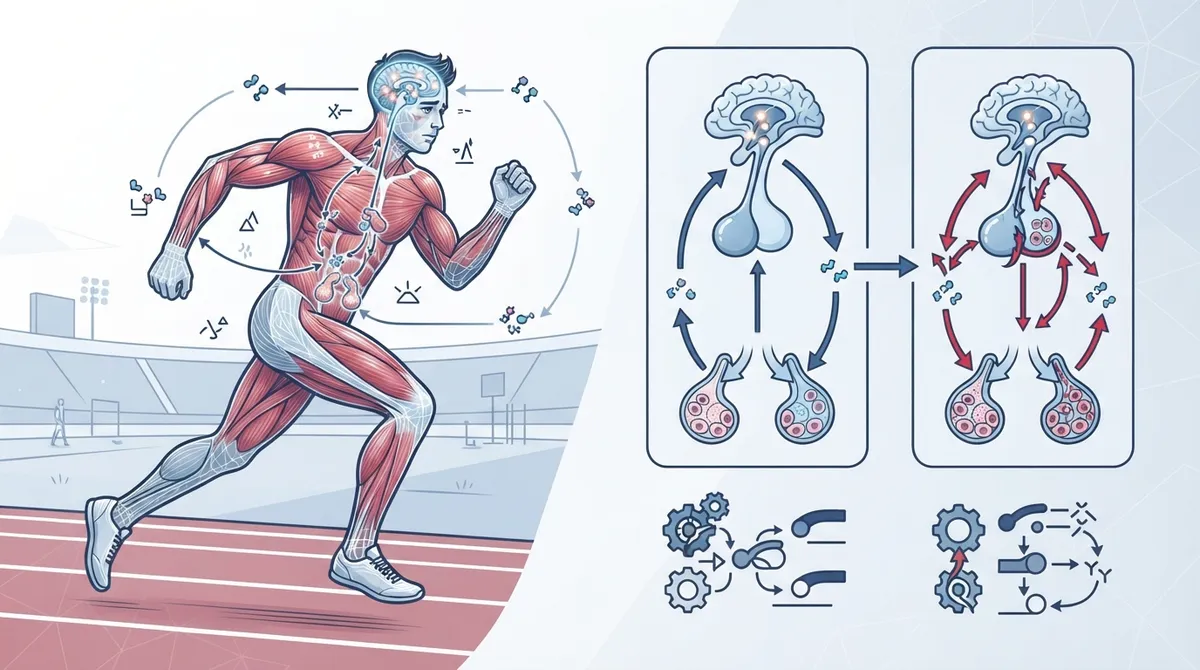
Kisspeptin is a hormone made naturally in the body from the KISS1 gene. It activates a receptor called KISS1R, also known as GPR54. This action tells the brain to release gonadotropin-releasing hormone, or GnRH. That hormone then triggers the pituitary gland to release luteinizing hormone and follicle-stimulating hormone.
These downstream hormones control puberty, menstrual cycles, ovulation, and sperm production. In men, higher luteinizing hormone can boost testosterone. This is why some athletes assume kisspeptin might raise testosterone levels naturally, without using anabolic steroids.
- Kisspeptin is not a steroid or synthetic hormone booster
- It works upstream, signaling the brain to produce more reproductive hormones
- Current research focuses on fertility and reproductive health, not sports performance
- Human trials remain small and short-term
Mistake 1: Assuming Kisspeptin Improves Athletic Performance
The biggest myth is that kisspeptin boosts strength, endurance, or recovery. There is no reliable evidence supporting this claim. Every major human study on kisspeptin has focused on reproductive hormone responses, not sports outcomes like speed, power, or muscle growth.
A 2025 randomized, placebo-controlled study published in EBioMedicine tested intranasal kisspeptin-54 in healthy men, healthy women, and women with hypothalamic amenorrhea. Researchers measured hormone changes, not athletic performance. The study found real hormone shifts, but nothing about strength or stamina.
Mistake 2: Ignoring WADA's Prohibited List
Many athletes do not realize that kisspeptin is banned in competitive sports. The World Anti-Doping Agency added kisspeptin and its agonist analogues to the Prohibited List under category S2.2.1. This category covers testosterone-stimulating peptides used by men.
WADA made this move because kisspeptin can indirectly raise testosterone by boosting luteinizing hormone. Any athlete under the World Anti-Doping Code who uses kisspeptin risks a doping violation, even if the substance was taken for a legitimate health reason.
Key WADA Facts Every Athlete Should Know
- Kisspeptin was added to the Prohibited List in 2024
- WADA is actively developing tests to detect kisspeptin-54, kisspeptin-14, kisspeptin-13, kisspeptin-10, and the synthetic agonist TAK-448
- Detection research uses advanced mass spectrometry methods
- Athletes must get a formal status ruling from their anti-doping organization before using any kisspeptin product
- Testosterone-stimulating peptides are banned only in men under current rules, but policies can change
Mistake 3: Buying Kisspeptin From Unregulated Sources
Peptide products sold online or through unlicensed suppliers vary widely in purity, dose, and safety. Some contain contaminants. Others may not contain the labeled ingredient at all. Without regulatory oversight, athletes cannot know what they are actually injecting or spraying.
This is one of the most dangerous mistakes because it combines legal risk with real health risk. A product bought online has no guarantee of quality control, unlike medications prescribed and monitored by a licensed physician.
Mistake 4: Overlooking the Root Cause of Hormone Problems
Athletes with low testosterone or missed periods often want a quick fix. But kisspeptin does not replace a full medical evaluation. Exercise, low energy intake, poor sleep, and high stress can all disrupt the hypothalamic-pituitary-gonadal axis, the same system kisspeptin acts on.
Instead of masking symptoms, athletes need answers. A physician can check for relative energy deficiency in sport, thyroid problems, or other causes before considering any hormone-related treatment.
- Menstrual irregularity or missed periods
- Reduced libido or erectile changes
- Unexplained fatigue or mood changes
- Frequent injuries or stress fractures
- Low bone density on screening tests
Mistake 5: Confusing Research Studies With Approved Treatment
The 2025 kisspeptin study is exciting for medical researchers. But it is not the same as an FDA-approved treatment plan. The study was short-term, closely monitored, and used a specific intranasal dose. It does not mean kisspeptin is available or safe as a general therapy.
|
Study Group |
Mean Maximal LH Increase |
Placebo-Adjusted Difference |
|---|---|---|
|
Healthy Men |
4.4 ± 0.6 IU/L |
3.1 IU/L (95% CI 1.2–4.9) |
|
Healthy Women |
1.4 ± 0.3 IU/L |
1.0 IU/L (95% CI 0.4–1.7) |
|
Hypothalamic Amenorrhea Patients |
4.4 ± 0.2 IU/L |
4.3 IU/L (95% CI 2.7–6.0) |
These numbers show a real hormone response. They do not show improved performance, long-term safety, or approval for general use. Source: EBioMedicine/PubMed, 2025.
Mistake 6: Ignoring Fertility and Bone Health Risks
Athletes sometimes forget that reproductive hormone disruption affects more than just performance. Chronic low estrogen or testosterone from overtraining can weaken bones and reduce fertility over time. This is especially common in endurance sports and weight-class athletics.
Kisspeptin is being studied as a possible way to investigate or restore hormone signaling in these cases. But self-treating without medical supervision skips important steps, like bone density testing and nutritional assessment.
Connection Between RED-S, Fertility, and Bone Health
- Low energy availability disrupts GnRH pulses
- Reduced GnRH lowers luteinizing hormone and follicle-stimulating hormone
- Lower sex hormones weaken bone density over time
- Fertility can decline in both men and women
- Untreated RED-S raises injury risk, including stress fractures
Mistake 7: Skipping a Full Medical Workup
Jumping straight to a peptide, without lab work or a physical exam, is a mistake many athletes make. A proper evaluation includes hormone panels, a review of training load, sleep habits, and nutrition. Our primary care providers use this approach to find the real cause before recommending any treatment.
At InCare, patients can also access DNA gene testing and body composition analysis to get a clearer picture of their metabolic and hormonal health.
Mistake 8: Believing Kisspeptin Is FDA-Approved
Kisspeptin is not currently approved by the FDA for any use, including performance enhancement, fertility treatment, or hormone therapy. It remains an investigational compound studied mainly for hypogonadism, infertility, and hypothalamic amenorrhea.
Athletes should be cautious of any clinic or online seller claiming FDA approval or guaranteed results. These claims are misleading and potentially dangerous.
Mistake 9: Assuming Short-Term Safety Data Means Long-Term Safety
The 2025 study reported no side effects or adverse events during the observed treatment period. This is encouraging, but it only covers a short window of time. It does not tell us what happens after months or years of repeated use.
- Short-term studies cannot predict rare long-term effects
- Hormone therapies often require years of monitoring
- Unregulated dosing schedules increase unknown risks
- Individual responses can vary based on health history
Mistake 10: Treating Hormonal Symptoms Without Addressing Training Load
Some athletes want a hormone fix while ignoring the training schedule that caused the problem in the first place. Overtraining, inadequate calories, and poor recovery are common culprits behind low testosterone and menstrual irregularity in athletes.
A sustainable plan includes adjusting workload, improving nutrition, and getting enough sleep. Peptides cannot replace these basics. Our weight loss and wellness programs focus on building healthy habits alongside any medical treatment.
Mistake 11: Not Consulting an Anti-Doping Organization Before Use
Athletes bound by the World Anti-Doping Code must check their status before using kisspeptin for any reason, even a legitimate medical need. Therapeutic use exemptions exist for some banned substances, but they require formal applications and approval.
|
Step |
Action |
|---|---|
|
1 |
Contact your national or international anti-doping organization |
|
2 |
Request a formal status determination for kisspeptin |
|
3 |
Apply for a therapeutic use exemption if medically necessary |
|
4 |
Wait for official written approval before starting treatment |
|
5 |
Keep documentation in case of testing |
Mistake 12: Choosing Convenience Over Qualified Medical Care
The final mistake is trusting convenience over expertise. Many athletes turn to online forums or unlicensed sellers because it feels faster. But this approach skips essential safety steps like bloodwork, physical exams, and dosing guidance from a licensed provider.
InCare's providers, including Dr. Naveen Paddu, Dr. Pramjeet Ahluwalia, and Dr. Teshy John, offer evidence-based evaluations for athletes with suspected hormone issues. You can review our full provider team to find the right fit for your care.
How InCare Approaches Athlete Hormone Health
Rather than jumping to unproven peptides, InCare focuses on a step-by-step evaluation process. This includes reviewing symptoms, running lab panels, and considering lifestyle factors like training and nutrition. Our goal is long-term health, not shortcuts.
- Comprehensive intake and symptom review
- Hormone and metabolic lab testing
- Assessment of training load and energy intake
- Discussion of evidence-based treatment options
- Ongoing monitoring and follow-up care
Patients interested in overall wellness optimization can also explore our IV hydration and vitamin drips or metabolic breath analysis services, which support recovery and performance through proven methods.
Why Choosing the Right Clinic Matters
Not every wellness clinic understands the anti-doping rules that apply to competitive athletes. InCare's team stays current on WADA updates and reproductive endocrinology research, so patients get accurate guidance instead of trendy shortcuts.
We also understand that athletes want real answers, not vague promises. That is why our locations in Tampa and Riverview focus on transparent, evidence-based care. You can see what our InCare patients say by visiting our reviews, including feedback shared on Visit us on Google — InCare.
Our community engagement extends beyond the clinic. Follow our wellness tips and patient stories on Facebook, Instagram, and Tik Tok for ongoing education about hormone health, peptide safety, and general wellness.
Steps to Take If You Suspect a Hormone Problem
- Track your symptoms, including energy, mood, and menstrual changes
- Avoid starting any peptide or hormone product without medical advice
- Schedule a full evaluation with a primary care provider
- Ask about lab testing for testosterone, LH, FSH, and related markers
- Discuss training load and nutrition honestly with your provider
- Follow anti-doping rules if you compete under WADA regulations
If you are an athlete dealing with symptoms like fatigue, irregular periods, or low testosterone, do not guess. Reach out to our team to get in touch with our clinic and schedule a thorough evaluation. You can also book your appointment online today and take the first step toward safe, evidence-based care.
FAQs
Q: What is kisspeptin, and how does it affect athletes?
A: Kisspeptin is a natural hormone that signals the brain to release GnRH, which then increases luteinizing hormone and follicle-stimulating hormone. In athletes, disrupted training and low energy availability can lower these hormone levels, and researchers are studying kisspeptin as a way to understand or potentially restore that signaling, not to boost performance.
Q: Can kisspeptin increase testosterone or improve sports performance?
A: Kisspeptin can rapidly raise luteinizing hormone, which may increase testosterone in men. However, no reliable evidence shows it improves strength, endurance, recovery, or overall athletic performance in healthy athletes.
Q: Is kisspeptin banned by WADA?
A: Yes. The World Anti-Doping Agency lists kisspeptin and its agonist analogues under category S2.2.1 as prohibited testosterone-stimulating peptides in men. Athletes should get a formal status ruling from their anti-doping organization before using any kisspeptin product.
Q: What are the risks and side effects of kisspeptin injections or nasal sprays?
A: Short-term studies report no significant side effects, but long-term safety data does not exist yet. Unregulated products also carry risks from impurities, incorrect dosing, and unknown formulations, since they are not FDA-approved for general use.
Q: How should low testosterone or irregular periods in athletes be evaluated?
A: A thorough medical evaluation should include hormone lab testing, a review of training load and nutrition, and screening for relative energy deficiency in sport. Primary care providers can identify root causes before considering any hormone-related treatment.