
Key Takeaways
- No clinical trials have tested ipamorelin with sermorelin together for weight loss, muscle gain, sleep, or anti-aging goals—treat synergy claims with caution despite theoretical appeal of combining different receptor pathways.
- Neither peptide is FDA-approved: sermorelin's approved product (Geref) was discontinued in 2008, ipamorelin never received FDA approval, and current compounded versions lack standard FDA safety and quality oversight.
- Proper medical evaluation including blood work, imaging, and cancer risk screening is essential before starting peptide therapy, not just online ordering based on wellness goals alone.
- Long-term safety data is missing for this combination; growth hormone pathway stimulation over months or years could have unstudied effects on your body's carefully balanced hormone systems.
Growth hormone peptides have become a hot topic in wellness clinics across Florida. Many patients ask about combining ipamorelin with sermorelin to boost energy, sleep, and body composition. But this pairing comes with real questions that deserve honest answers. Before you consider this combination, you need to understand what the science actually shows.
This guide walks through the most common mistakes people make when exploring ipamorelin with sermorelin. We will cover the facts, the risks, and what a responsible primary care approach looks like. Our goal is to help you make an informed choice, not to sell you on unproven promises.
Mistake 1: Assuming More Peptides Mean Better Results
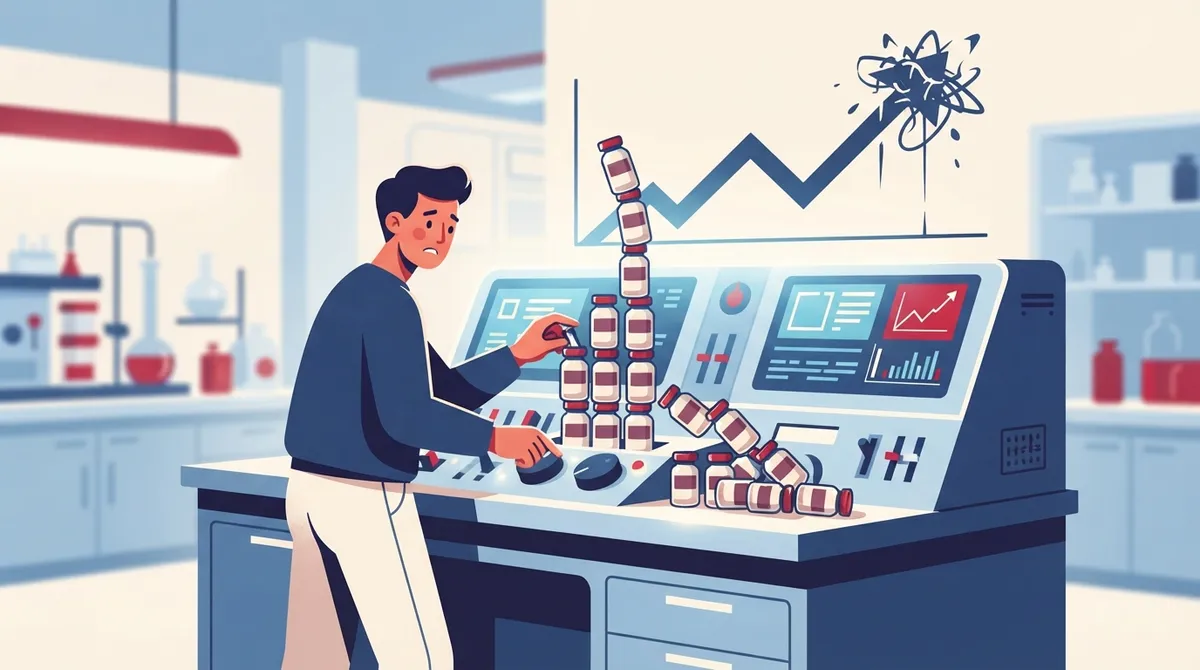
Many people believe that combining two growth hormone peptides doubles the benefit. Sermorelin works on one type of receptor. Ipamorelin works on a different one. This is called a growth hormone–releasing hormone (GHRH) analog paired with a ghrelin-receptor agonist.
On paper, this sounds like a smart combination. But a good theory is not the same as proven results. No solid clinical trials have tested ipamorelin with sermorelin together for weight loss, muscle gain, sleep, or anti-aging goals. Treat any claim of guaranteed synergy with caution.
Mistake 2: Believing This Combination Is FDA-Approved
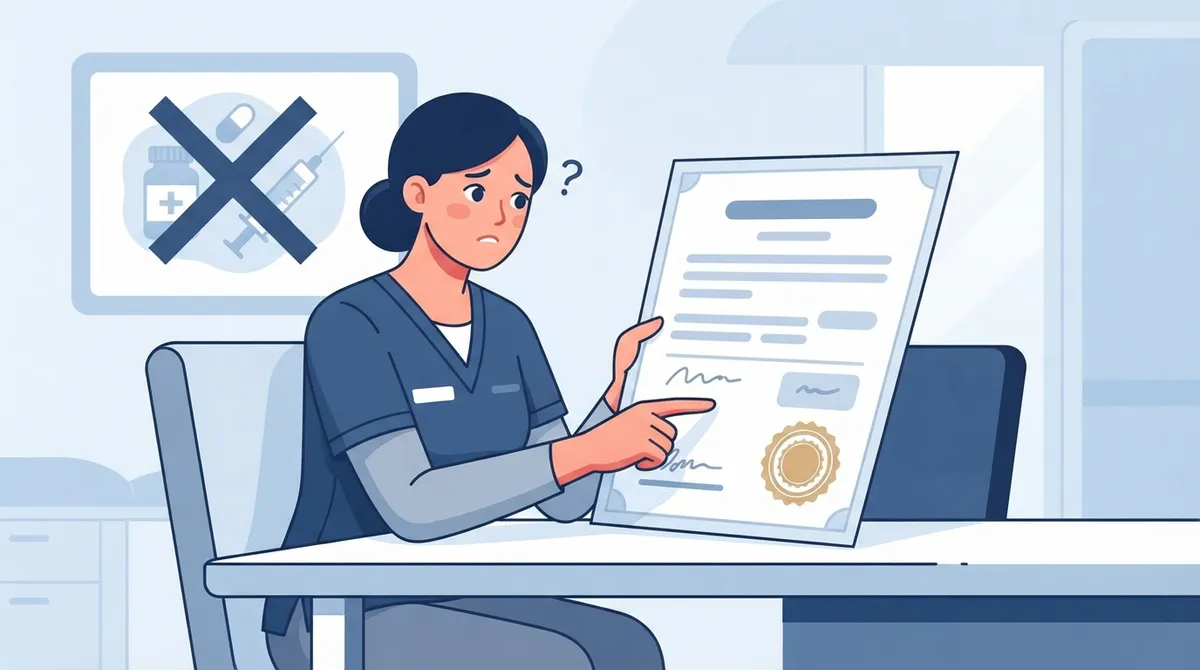
This is one of the biggest misunderstandings. Sermorelin once had an FDA-approved product called Geref. That product was discontinued back in 2008. Today's compounded sermorelin is not the same as that approved drug.
Ipamorelin has never had FDA approval for growth hormone deficiency in adults or children. A 2024 FDA briefing document confirmed the agency has not found data supporting ipamorelin's effectiveness for these uses. Compounded versions of both peptides fall outside of standard FDA review for safety and quality.
Mistake 3: Skipping a Real Medical Evaluation
Some people jump straight to ordering peptides online. This skips an important step: proper diagnosis. Suspected growth hormone deficiency needs blood work, imaging, and a full medical history review.
A trusted provider will look at your complete health picture first. This includes checking for underlying conditions that peptides could worsen. Wellness goals alone are not enough reason to start hormone-stimulating treatment.
Steps for a Responsible Evaluation
Here is what a thorough clinical assessment should include:
- Review of your full medical history and current medications
- Blood tests to check hormone levels and metabolic markers
- Discussion of your specific health goals and concerns
- Screening for cancer risk factors, given theoretical concerns with growth hormone stimulation
- A clear conversation about what is proven versus what is still uncertain
Mistake 4: Ignoring the Difference Between Compounded and Approved Drugs
Compounded drugs are made by pharmacies, not big drug manufacturers. This means they don't go through the same FDA testing process. The FDA has flagged specific concerns about compounding ipamorelin, including possible immune reactions and limited safety data.
This does not mean compounded medicine is always unsafe. It means the oversight is different. Ask your provider direct questions about sourcing, testing, and quality control before starting any peptide therapy.
Mistake 5: Overlooking Potential Side Effects
Growth hormone peptides can affect more than just muscle and fat. Stimulating this hormone pathway may cause:
- Fluid retention and swelling
- Joint pain or muscle aches
- Changes in blood sugar regulation
- Headaches or dizziness
- Injection site reactions
People with a history of cancer should be especially cautious. Growth hormone and IGF-1 pathways have theoretical links to tumor growth, though this connection is not fully settled in research.
Mistake 6: Trusting Anti-Aging Claims Without Proof
Marketing language around these peptides often promises youthful energy, better sleep, and a leaner body. These claims sound appealing. But no strong published trials confirm that ipamorelin with sermorelin delivers these specific outcomes.
A 2014 trial testing ipamorelin for postoperative ileus did not even meet its main goal. That study focused on a completely different medical use, not wellness or anti-aging. Be skeptical of any clinic that promises predictable body-composition results from this combination.
Mistake 7: Forgetting to Ask About Long-Term Safety
Short-term use of any medication is different from long-term use. Right now, there is no strong data on what happens when people use ipamorelin with sermorelin for months or years.
This gap in evidence matters. Your body's hormone systems work in careful balance. Long-term stimulation of growth hormone release could have effects that simply haven't been studied yet in controlled trials.
Mistake 8: Choosing a Provider Without Proper Credentials
Peptide therapy should always involve a licensed medical professional. Some online sellers market these products directly to consumers without any medical oversight. This is risky.
Working with an experienced team, such as the physicians at InCare, means you get real medical guidance. Trained providers understand dosing, monitoring, and how to spot early warning signs of problems.
What to Look For in a Qualified Clinic
|
Quality Indicator |
Why It Matters |
|---|---|
|
Licensed physician oversight |
Ensures medical judgment guides your treatment plan |
|
Lab testing before treatment |
Confirms whether therapy is appropriate for you |
|
Clear discussion of risks |
Helps you make an informed decision |
|
Ongoing monitoring |
Catches side effects early |
|
Transparent pricing |
Avoids hidden costs or pressure tactics |
Mistake 9: Not Understanding How Each Peptide Works Differently
It helps to know the basic difference between these two compounds before deciding anything.
|
Feature |
Sermorelin |
Ipamorelin |
|---|---|---|
|
Type |
GHRH analog |
Ghrelin-receptor agonist |
|
Mechanism |
Signals pituitary to release growth hormone |
Stimulates a separate receptor pathway |
|
History |
Former FDA-approved product (Geref), discontinued in 2008 |
Studied for postoperative ileus without proven efficacy |
|
Current Status |
Available only as compounded product |
Available only as compounded product |
Mistake 10: Assuming All Wellness Clinics Offer the Same Standard of Care
Not every wellness clinic follows the same rules. Some may push peptide programs aggressively without proper screening. Others take a more cautious, evidence-based approach.
Ask about the clinic's protocols before booking an appointment. A responsible clinic will explain both the potential benefits and the honest limitations of current research. This peptide therapy overview in Tampa reflects that kind of careful, honest guidance.
Mistake 11: Neglecting Alternative Options
Peptides are not the only path to better energy, sleep, or body composition. Many patients find success with proven approaches first, including:
- Medically supervised weight loss programs
- Comprehensive body composition analysis to track real progress
- Personalized DNA gene testing to understand your unique health profile
- Targeted IV hydration and vitamin therapy for energy support
These options often have stronger evidence behind them and fewer unknowns. A well-rounded wellness plan usually works better than betting everything on one unproven combination.
Mistake 12: Making a Decision Without Asking Enough Questions
Before starting any peptide therapy, you deserve clear answers. Bring these questions to your next appointment:
- What specific problem are we trying to solve?
- What does the research actually show for this combination?
- What are the realistic risks for someone with my health history?
- How will we monitor my progress and safety?
- What happens if I want to stop treatment?
A good provider welcomes these questions. If a clinic seems rushed or dismissive, that is a red flag worth noting.
Why Working With a Trusted Primary Care Team Matters
Growth hormone peptides sit at the edge of proven medicine and emerging wellness trends. This is exactly why a strong primary care relationship in Riverview or Tampa matters so much. Your primary care doctor knows your full history and can guide you honestly.
At InCare, our team believes in transparency over hype. We discuss what current research supports and where the evidence gaps remain. Patients in Tampa and Riverview trust us because we prioritize safety alongside wellness goals. You can read what our community says by visiting our InCare location on Google, where real patient experiences reflect our commitment to honest care.
We also stay connected with our community through social platforms. Follow our updates on Facebook and Instagram for wellness tips grounded in real science. You can also catch quick health insights on Tik Tok.
Moving Forward With Confidence
Ipamorelin with sermorelin might sound like an exciting wellness trend. But the honest truth is that solid proof is still missing for many of the claims surrounding it. Understanding these 12 common mistakes helps you approach this topic with clear eyes.
Your health deserves careful, evidence-based decisions rather than trendy shortcuts. If you are curious about growth hormone peptides or want a full wellness evaluation, our team is ready to help you sort fact from marketing. Reach out to our care team today to schedule a conversation, or go ahead and book your appointment now to start your personalized wellness journey with a team that puts your safety first.
FAQs
Q: Can you take ipamorelin and sermorelin together?
A: Some providers combine these peptides because they act on different receptors, but no strong clinical trials confirm added benefit from combining them. Always discuss this decision with a qualified medical provider who understands your full health history.
Q: What is the difference between ipamorelin and sermorelin?
A: Sermorelin is a synthetic analog of growth hormone–releasing hormone, while ipamorelin acts on a separate ghrelin receptor. Both can stimulate the pituitary gland to release growth hormone, but they work through different biological pathways.
Q: Is ipamorelin with sermorelin FDA-approved?
A: No. Sermorelin once had an FDA-approved product called Geref, but it was discontinued in 2008. Ipamorelin has never received FDA approval for growth hormone deficiency, and current compounded versions of both peptides are not FDA-approved.
Q: What are the side effects and risks of ipamorelin and sermorelin?
A: Potential risks include fluid retention, joint or muscle pain, changes in blood sugar regulation, and theoretical concerns for people with prior or active cancer. Long-term safety data for this specific combination remains limited.
Q: Is there clinical evidence that this combination helps with weight loss, muscle gain, sleep, or recovery?
A: No reliable published trials directly test ipamorelin with sermorelin for these wellness outcomes. Claims of synergy or predictable body-composition results should be treated as unproven until stronger research becomes available.