Key Takeaways
- GHK-Cu serum is not FDA-approved as a therapeutic drug; it's a cosmetic ingredient regulated differently than prescription medications. Always verify product labels and understand what you're actually buying before use.
- Topical GHK-Cu requires 4-12 weeks of consistent use to see results like improved firmness and texture; expect gradual changes, not dramatic outcomes. A 2015 clinical review of 70+ women found no major safety issues over 12 weeks.
- People with copper metabolism disorders like Wilson's disease, pregnant individuals, and those with sensitive skin should consult a healthcare provider before using GHK-Cu serum due to safety considerations and limited data.
- Most effective topical serums use around 0.1% GHK-Cu concentration; avoid products with unclear percentages and perform a 24-hour patch test on your inner arm to prevent adverse reactions before full-face application.
GHK-Cu serum has become one of the most talked-about ingredients in skin health and wellness circles across Tampa and Riverview. Many patients ask about copper peptides during routine visits, hoping for smoother skin and fewer fine lines. But without the right guidance, people often misuse these products or expect results that science does not yet support. Understanding the facts behind GHK-Cu serum helps you make smarter choices for your skin and your overall wellness routine.
At InCare, our providers see patients who blend cosmetic goals with whole-body health strategies. Whether you are exploring copper peptides for the first time or already using a serum daily, avoiding common mistakes can protect your skin and your wallet. Below are the 12 most frequent missteps people make with GHK-Cu serum, along with practical guidance rooted in current research.
What Is GHK-Cu Serum
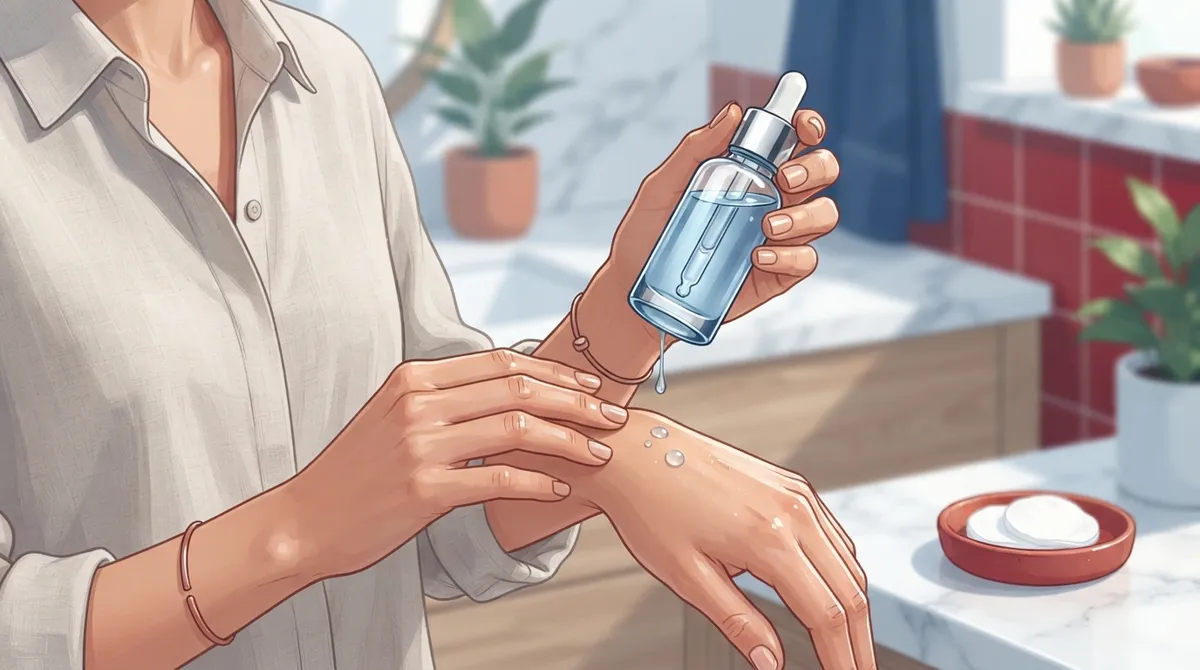
GHK-Cu stands for glycyl-L-histidyl-L-lysine bound to copper. It is also known as copper peptide-1 or copper tripeptide-1. This naturally occurring peptide-copper complex is a popular ingredient in topical skincare products.
Most formulas target fine lines, skin firmness, texture, and hydration. It is not an injectable drug approved by the FDA. Instead, it is sold as a cosmetic ingredient or research compound.
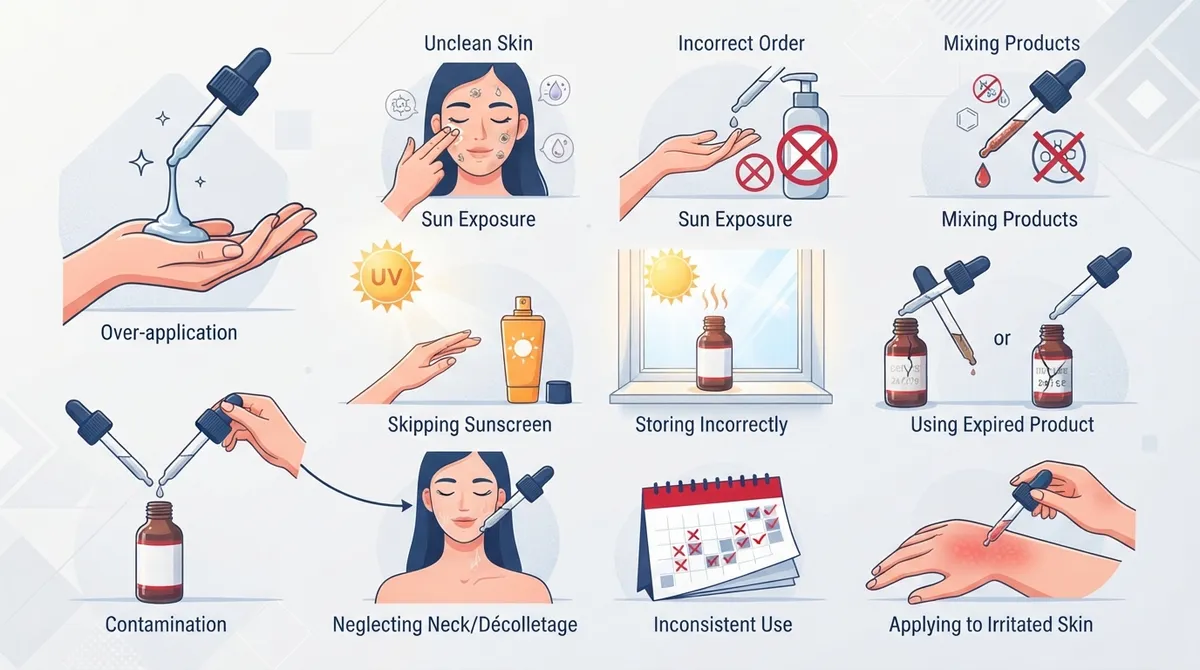
12 Common GHK-Cu Serum Mistakes to Avoid
1. Assuming It Is FDA Approved
GHK-Cu serum is not an FDA-approved therapeutic drug for injection. Topical cosmetic versions are regulated differently than prescription medications. Always check labels and understand what you are actually buying.
2. Ignoring Concentration Levels
Most effective topical serums use around 0.1% GHK-Cu concentration. Products with unclear or unusually high percentages may not be tested for safety. Ask your provider or read third-party lab results before committing.
3. Skipping a Patch Test
Sensitive skin can react to copper peptides with redness or irritation. A small patch test on your inner arm for 24 hours can prevent a full-face reaction. This simple step saves time and discomfort later.
4. Expecting Wound Healing Miracles
The strongest evidence supports skin appearance benefits, not advanced wound healing. Claims about dramatic wound repair or systemic wellness are far less established. Keep expectations realistic and grounded in current research.
5. Using It During Pregnancy Without Guidance
Pregnancy and breastfeeding safety data for GHK-Cu remains limited. Caution is typically recommended during these life stages. Speak with a primary care provider before adding new topical treatments.
6. Overlooking Copper Metabolism Disorders
People with conditions like Wilson's disease should avoid unsupervised copper-peptide use. Copper metabolism disorders change how your body processes topical copper exposure. This is a critical safety consideration many people skip.
7. Believing It Works Instantly
Skin renewal takes time, often several weeks to months. A 2015 clinical review tracked topical use over a 12-week span among 70-plus women with no major safety issues reported. Patience matters more than speed here.
8. Mixing Too Many Active Ingredients
Layering copper peptides with strong acids or retinoids can cause irritation. Some ingredients also reduce copper peptide effectiveness when combined incorrectly. Simplify your routine to see clearer results.
9. Confusing Topical and Injectable Forms
Topical GHK-Cu delivers only microgram-level copper amounts, far below dietary intake. Injectable forms carry different risks and much less published human evidence. Never assume the two forms behave the same way in your body.
10. Ignoring the Institute of Medicine Guidelines
The Institute of Medicine sets a tolerable upper intake level for copper at 10 mg per day. This reference point helps put topical exposure in perspective. Systemic copper overload from a serum alone is highly unlikely, but total intake still matters.
11. Buying From Unverified Sources
Quality control varies widely among sellers of copper peptide products. Poor manufacturing can mean inconsistent concentrations or contamination. Choose reputable brands and, when possible, consult a healthcare provider for recommendations.
12. Skipping Professional Guidance Altogether
Many people try GHK-Cu serum without ever discussing it with a healthcare provider. This can be a missed opportunity for personalized advice. A wellness-focused visit can help you understand how this fits into your broader skin and health goals.
GHK-Cu Serum vs Other Common Anti-Aging Ingredients
Comparing copper peptides to other popular ingredients helps clarify where GHK-Cu fits into a skincare routine.
|
Ingredient |
Primary Benefit |
Typical Onset Time |
Common Side Effects |
|---|---|---|---|
|
GHK-Cu Serum |
Firmness, texture, hydration |
4-12 weeks |
Mild irritation, redness |
|
Retinol |
Cell turnover, wrinkle reduction |
4-8 weeks |
Dryness, peeling, sun sensitivity |
|
Vitamin C Serum |
Brightening, antioxidant support |
4-6 weeks |
Stinging, mild irritation |
|
Hyaluronic Acid |
Hydration, plumping |
Days to weeks |
Rare, generally well tolerated |
Safety Snapshot: What the Research Shows
Recent 2026 skincare and pharmacy summaries consistently describe topical GHK-Cu as generally well tolerated. Most reported side effects are mild and stay localized to the application area. Still, understanding who should be cautious matters just as much as knowing the benefits.
- Topical use delivers microgram-level copper, far below daily dietary intake
- People with Wilson's disease should avoid unsupervised use
- Pregnant or breastfeeding individuals should seek medical advice first
- Sensitive skin types may experience redness or mild allergic reactions
- Injectable GHK-Cu has far less published human safety data than topical use
How to Choose a Quality GHK-Cu Serum
Selecting the right product requires more than reading marketing claims. Follow these steps to make an informed decision.
- Check the concentration listed on the label, typically around 0.1%
- Look for third-party testing or lab verification documents
- Review the full ingredient list for potential irritants
- Research the brand's manufacturing transparency
- Discuss your skin history with a healthcare provider before starting
- Start with a patch test before full application
- Monitor your skin for at least four weeks before judging results
Many patients also explore related wellness services alongside their skincare routine. Options like hair restoration and DNA gene testing can provide a broader picture of how your body responds to different treatments. Combining topical care with internal health insights often produces more complete results.
When to Talk to a Provider About Copper Peptides
Not every skincare question needs a doctor's visit, but some situations call for professional input. If you have a history of copper sensitivity, autoimmune conditions, or are currently pregnant, a conversation with your provider is wise. The same applies if you plan to combine GHK-Cu serum with prescription treatments or other active peptides.
InCare providers often discuss these topics during comprehensive wellness visits. If you want a broader look at your skin health alongside other preventive services, our providers can help you build a plan that fits your goals. You can also review our annual wellness visit guide to see what a full checkup typically includes.
Common Signs You Are Using GHK-Cu Serum Correctly
Knowing what success looks like helps you stay consistent and avoid unnecessary product switching.
- Skin feels more hydrated without excessive oiliness
- Fine lines appear slightly softer after consistent use
- No persistent redness or burning sensation after application
- Texture feels smoother to the touch over several weeks
- You notice gradual, not dramatic, changes in skin tone
Where GHK-Cu Serum Fits Into a Bigger Wellness Picture
Skin health rarely exists in isolation. Hydration, nutrition, sleep, and hormone balance all affect how your skin looks and feels. That is why many patients pair topical treatments with services like IV hydration and vitamin drips or body composition analysis to track overall progress.
InCare patients in Tampa and Riverview often start with a general wellness consultation before layering in specific treatments like copper peptide serums. This approach helps identify any underlying issues, such as nutrient deficiencies or metabolic imbalances, that could affect skin healing. You can learn more about this whole-body approach through our weight loss and metabolic health programs, which often intersect with skin and cellular wellness goals.
Our community engagement extends beyond the clinic too. Follow our updates and patient tips on Facebook, see behind-the-scenes wellness content on Instagram, and catch quick health tips on Tik Tok. These channels often feature real patient questions about topics like copper peptides and other emerging wellness trends.
Final Thoughts on Using GHK-Cu Serum Safely
GHK-Cu serum offers a promising, well-tolerated option for people seeking smoother, firmer skin. The key is avoiding the mistakes outlined above and setting realistic expectations based on current evidence. Topical use remains far better supported than injectable forms, and safety data continues to grow each year.
If you are curious about how copper peptides or other wellness treatments might fit your health goals, our team is ready to help. See what real patients say about their experience when you visit us on Google — InCare. Ready to take the next step in your skin and wellness journey? Book your appointment today or reach out to our team with any questions about copper peptides and personalized care options.
FAQs
Q: What is GHK-Cu serum used for?
A: GHK-Cu serum is primarily used in topical skincare to improve the appearance of fine lines, skin firmness, texture, and hydration. It is a cosmetic ingredient, not an FDA-approved therapeutic drug for injection.
Q: Is GHK-Cu serum safe for daily use?
A: Topical GHK-Cu is generally well tolerated for daily use, with most side effects being mild and localized, such as redness or irritation. A 2015 clinical review found no major safety issues over a 12-week period among more than 70 women.
Q: Does GHK-Cu serum really help wrinkles and fine lines?
A: Current evidence suggests topical GHK-Cu may improve skin firmness and texture over several weeks of consistent use. However, results vary by individual, and claims should be viewed with realistic expectations rather than as guaranteed outcomes.
Q: Who should avoid copper peptide serum?
A: People with copper metabolism disorders, such as Wilson's disease, are commonly advised to avoid unsupervised copper-peptide use. Pregnant or breastfeeding individuals should also consult a healthcare provider before starting, since safety data remains limited.
Q: Is GHK-Cu serum FDA approved?
A: GHK-Cu serum sold as a cosmetic product is not an FDA-approved therapeutic drug for injection. It is regulated as a cosmetic or research ingredient, which differs significantly from prescription medication approval standards.