Key Takeaways
- GHK-Cu shows promise in preclinical research for wound healing but lacks FDA approval and large human trials; use it as a supportive tool alongside standard post-procedure care, not as a replacement.
- Start topical GHK-Cu 12-24 hours after a procedure once seepage stops and your provider approves it; typical concentrations range from 0.1%-1% applied once or twice daily for 6-12 weeks.
- Current evidence for GHK-Cu comes mainly from animal studies and small human trials, not large randomized controlled trials; expect visible scar changes over 6-12 weeks but treat results as preliminary guidance.
- Avoid applying GHK-Cu to open wounds, discontinue if unusual redness or itching occurs, and never combine multiple new active ingredients simultaneously during post-procedure recovery.
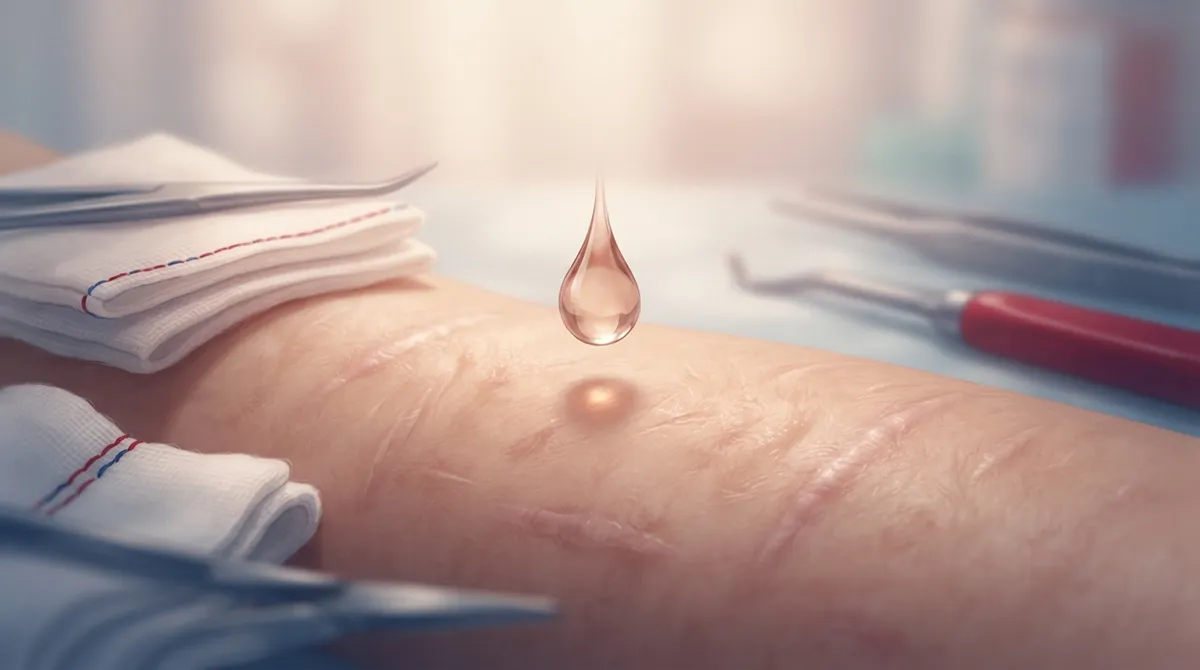
Recovering from a cosmetic or minor medical procedure takes patience. Many patients now ask about GHK-Cu, a copper peptide studied for its role in skin repair. If you have had microneedling, laser treatment, or a minor skin procedure, you may wonder if this ingredient can help you heal faster and with less visible scarring. This guide breaks down what the science actually shows, what remains unproven, and how to approach GHK-Cu safely as part of your post-procedure recovery plan.
At InCare, our Tampa and Riverview teams see patients every week who want smarter ways to support their skin after treatments. Whether you are new to wellness-focused skincare or have researched peptides for years, this article gives you clear, honest facts. We will also cover dosing ranges, timing windows, and questions you should ask before adding GHK-Cu to your routine.
1. What GHK-Cu Actually Is
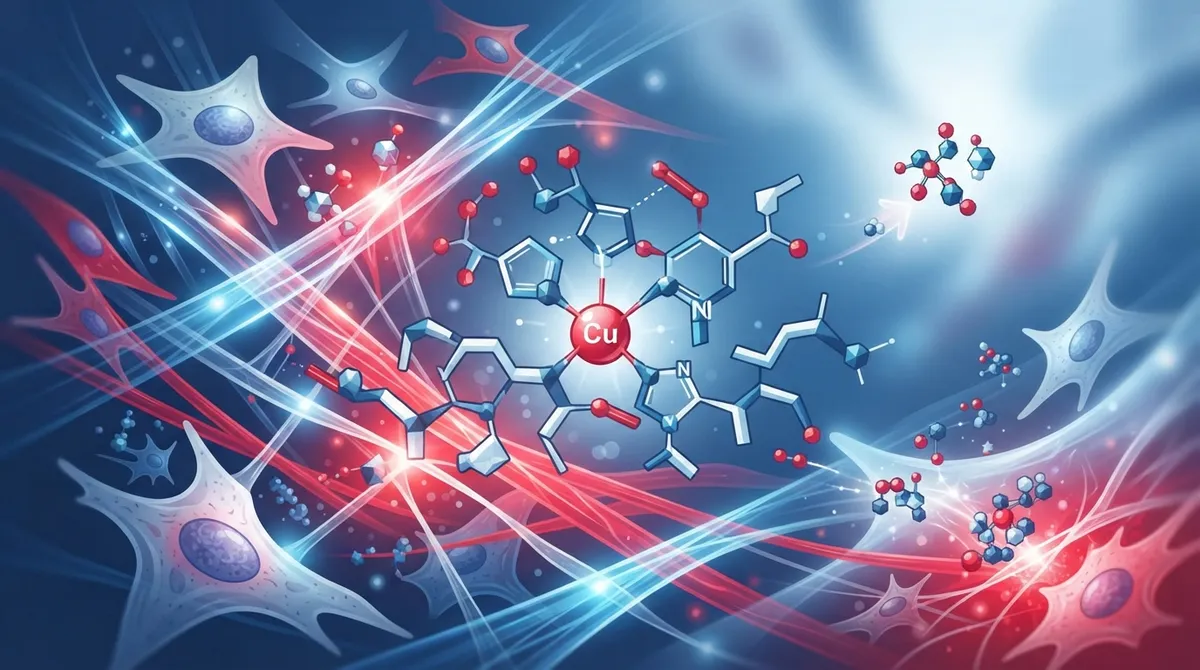
GHK-Cu is the copper complex of a small protein fragment called GHK. This tripeptide binds naturally to copper in the body. Researchers have studied it for decades because it appears in human plasma and seems to decline with age.
In skin and wound-healing research, GHK-Cu is valued for its potential to support tissue renewal. It has been tested mostly in labs and animal models, with a smaller number of human studies. Understanding this distinction matters before you decide whether it fits your recovery plan.
2. Why It Gets Attention in Wound Healing Research
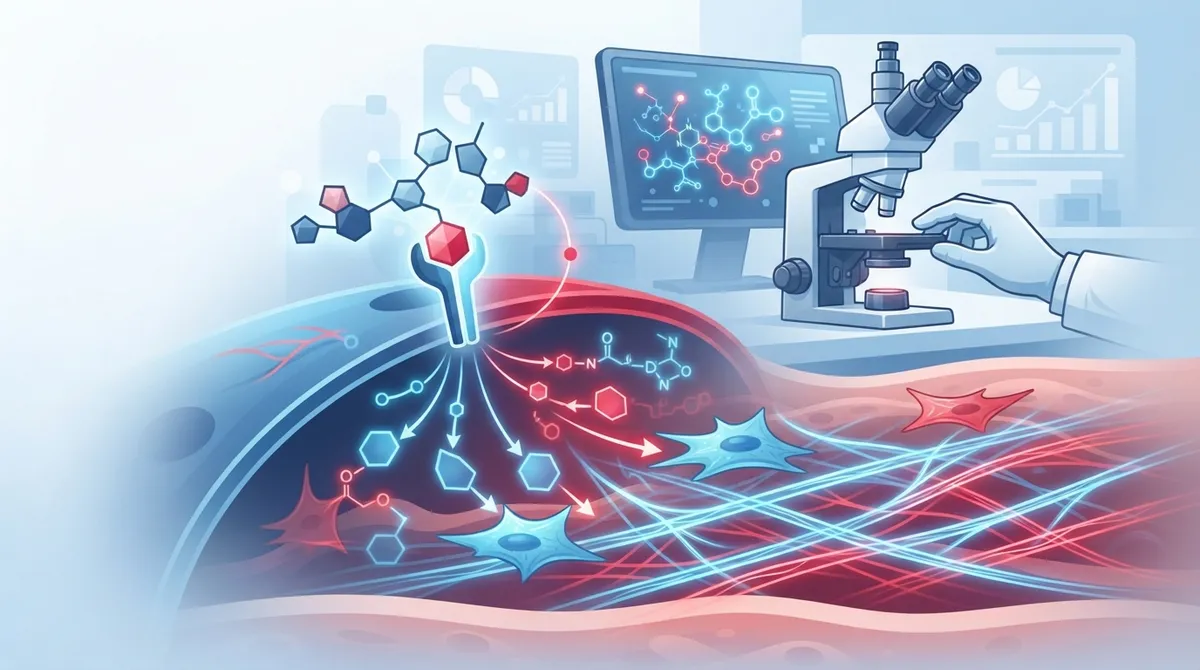
Preclinical studies show GHK-Cu may support several steps in the healing process. These findings come largely from animal wound models, not large human trials.
- Stimulating wound contraction so edges close more efficiently
- Encouraging granulation tissue formation, a key step in healing
- Supporting antioxidant activity that may reduce cellular stress
- Promoting blood vessel growth, which feeds healing tissue with oxygen
These mechanisms explain why wellness clinics and skincare researchers remain interested in this peptide, even though large randomized trials in humans are still limited.
3. The Human Evidence: What We Know So Far
The research summary shows a pattern seen across much of the peptide skincare industry. There is strong preclinical support, but only small human studies, not large randomized controlled trials for post-procedure healing.
This means current recommendations should be viewed as promising, not proven. Patients should approach GHK-Cu as a supportive option rather than a guaranteed fix.
Key Study Data Worth Knowing
|
Finding |
Result |
Source Type |
|---|---|---|
|
Collagen increase in topical study (women) |
70% GHK-Cu vs. 50% vitamin C vs. 40% retinoic acid |
Secondary source, original date unconfirmed |
|
Wound closure rate in surgical-incision model |
31.2% increase over 42 days |
Secondary-source claim |
|
Visible wound-closure improvement |
Around days 7-10 post-use |
Practice-oriented source |
|
Scar changes |
Continuing over 6-12 weeks |
Practice-oriented source |
These numbers come from secondary sources and practice-based protocols. They are not confirmed by large peer-reviewed clinical trials, so patients should treat them as general guidance rather than guaranteed outcomes.
4. Is GHK-Cu FDA Approved for Wound Healing?
No. FDA approval for GHK-Cu as a wound-healing drug was not identified in current research summaries. Post-surgical recovery use remains investigational rather than an approved medical treatment.
This does not mean the ingredient is unsafe. It simply means claims about guaranteed healing benefits should be viewed with caution. Always discuss any new skincare ingredient with a licensed provider before starting it after a procedure.
5. When Can You Start Using GHK-Cu After a Procedure?
Timing matters greatly for post-procedure skincare. According to protocol-based sources, topical GHK-Cu may be started 12 to 24 hours after a procedure once seepage has stopped and your practitioner has cleared topical products.
- Wait until any active oozing or seepage has fully stopped.
- Confirm your provider has approved topical products for your skin type and procedure.
- Start with a small test area to check for sensitivity.
- Apply as directed, usually once or twice daily.
- Monitor for irritation, redness, or unexpected changes.
- Continue for the recommended 6 to 12 week period if tolerated well.
This sequence is based on general wellness protocols, not universal clinical guidelines. Your own recovery timeline should always be confirmed by your treating clinician.
6. Typical Concentrations and Application Frequency
Reported concentrations for topical GHK-Cu products commonly range from 0.1% to 1%. Most protocols suggest applying once or twice daily for 6 to 12 weeks.
|
Concentration Range |
Suggested Frequency |
Typical Duration |
|---|---|---|
|
0.1% - 0.3% |
Once daily |
6-8 weeks |
|
0.3% - 0.6% |
Once or twice daily |
8-10 weeks |
|
0.6% - 1% |
Twice daily (as tolerated) |
10-12 weeks |
These figures reflect practice-based sources rather than validated clinical dosing standards. If you are unsure which concentration fits your skin, a conversation with your provider is the safest next step.
7. GHK-Cu and Common Aesthetic Procedures
Patients frequently ask about pairing GHK-Cu with treatments like laser resurfacing or microneedling. In these settings, wellness protocols suggest it may support the skin's natural repair process once the barrier is intact.
- Microneedling: Applied after initial redness and micro-injury response subsides
- Laser resurfacing: Introduced once the skin has moved past the acute inflammatory phase
- Minor in-office skin procedures: Often added during the mid-recovery window
These are general practice patterns, not established clinical guidelines. Every procedure carries its own healing timeline, so professional guidance is essential before adding any new topical product.
8. GHK-Cu vs. Other Popular Topical Ingredients
Patients often want to know how GHK-Cu compares with other well-known skincare ingredients. Below is a general comparison based on available research summaries.
|
Ingredient |
Primary Role |
Evidence Level |
|---|---|---|
|
GHK-Cu |
Tissue repair, collagen support, antioxidant activity |
Strong preclinical, limited human trials |
|
Vitamin C |
Antioxidant, collagen synthesis support |
Well established in dermatology research |
|
Retinoic Acid |
Cell turnover, wrinkle reduction |
Extensively studied, FDA-recognized uses |
Each ingredient serves a different purpose. Some patients use them in combination, but this should always be guided by a qualified provider familiar with your procedure and skin history.
9. Ongoing Clinical Research
Interest in this peptide continues to grow. A listed clinical trial exploring topical GHK-Cu gel for acute skin wound healing shows the topic remains under active investigation. This suggests more human data may become available in coming years, but for now, patients should treat existing claims as preliminary.
10. Safety Considerations Before You Start
Before adding GHK-Cu to a post-procedure routine, consider these points:
- Only apply to closed or properly healed skin unless directed otherwise by your provider
- Discontinue use if you notice unusual redness, itching, or swelling
- Avoid combining multiple new active ingredients at once after a procedure
- Confirm product purity and sourcing before purchase
- Discuss any prescription medications you use that could interact with topical treatments
Because GHK-Cu is not FDA-approved for wound healing, its use should be considered supportive rather than a replacement for standard post-procedure care.
11. How a Wellness-Focused Primary Care Team Can Help
Understanding how to safely add new products to a healing routine can feel confusing. This is where a trusted primary care provider becomes valuable. At InCare, our providers can review your full health history and procedure details before recommending any topical or peptide-based approach.
Our Tampa and Riverview locations also offer services that support whole-body recovery, including IV hydration and vitamin drips for patients seeking additional nutritional support during healing. If you are also exploring hair-related procedures, our hair restoration team can advise on safe recovery practices specific to that treatment.
12. Building a Smart Post-Procedure Recovery Plan
A safe recovery plan involves more than one product. Consider these steps for a well-rounded approach:
- Follow your provider's wound care instructions exactly as given.
- Introduce any new topical ingredient slowly and with guidance.
- Track your healing progress with photos or notes.
- Stay hydrated and maintain balanced nutrition to support tissue repair.
- Schedule a follow-up visit to confirm healing is on track.
Patients exploring broader wellness support may also benefit from a DNA gene testing panel, which can offer insight into how your body processes nutrients and responds to inflammation. Combined with routine cancer screening and preventive visits, this creates a more complete picture of your long-term health.
For patients researching peptide therapy in general, our detailed guide on peptide therapy in Tampa explains how various peptides are used across different wellness goals. You can also read more about how our team supports recovery in our article on peptide injections for fast healing recovery.
Many patients also follow InCare on Facebook and Instagram for wellness tips, while others check patient experiences through our TikTok page. These channels often share updates on new services and general health education.
Frequently Overlooked Details About GHK-Cu Recovery Timing
Many patients rush their skincare routine after a procedure. This can slow healing rather than speed it up. Waiting for practitioner clearance, following concentration guidelines, and avoiding combination overload are simple ways to protect your results.
If you are considering GHK-Cu after a recent procedure, our Riverview and Tampa clinics can help you build a safe, personalized plan. You can also visit us on Google — InCare to see what other patients say about their experience with our providers.
Final Thoughts on GHK-Cu and Post-Procedure Healing
GHK-Cu shows real promise in preclinical wound healing research. However, human data remains limited, and it is not FDA-approved as a wound treatment. Patients should use it as a supportive tool, not a replacement for professional post-procedure care.
If you recently had a cosmetic or medical procedure and want expert guidance on your recovery, our team is ready to help. Reach out to our care team today, or schedule your appointment now to build a personalized healing plan with InCare.
FAQs
Q: What is GHK-Cu and how does it help with wound healing?
A: GHK-Cu is a copper-binding peptide studied for its role in tissue repair and skin renewal. Preclinical research suggests it may support wound contraction, granulation tissue formation, and antioxidant activity, though large human trials remain limited.
Q: Is GHK-Cu safe to use after cosmetic procedures?
A: GHK-Cu is generally discussed as a supportive topical option once the skin barrier is intact and your practitioner has approved its use. Since it is not FDA-approved for wound healing, it should be used alongside, not instead of, standard post-procedure care.
Q: When can GHK-Cu be used after microneedling or laser treatment?
A: Some protocol-based sources suggest starting 12 to 24 hours after a procedure once seepage subsides, but this timing varies by treatment type. Always confirm with your provider before introducing any new topical product.
Q: Does GHK-Cu reduce scarring after surgery?
A: Some small studies and practice-based sources report visible changes in scarring over 6 to 12 weeks, but this evidence is not confirmed by large randomized controlled trials. Results can vary significantly between patients.
Q: What concentration of GHK-Cu is typically used in topical products?
A: Reported concentrations commonly range from 0.1% to 1%, applied once or twice daily for 6 to 12 weeks. These ranges come from wellness protocols rather than standardized clinical dosing guidelines.