Key Takeaways
- GHK-Cu is a naturally occurring copper peptide that declines with age; clinical studies show it may improve skin firmness, elasticity, and fine line appearance after weeks of consistent topical use.
- Topical GHK-Cu has a strong safety profile with only 4.2% experiencing mild redness and 2.8% mild itching; copper exposure is negligible and far below daily tolerable limits.
- Start GHK-Cu by patch testing for 24-48 hours, use every other day initially, and alternate with retinol or vitamin C rather than combining them to minimize irritation.
- Injectable and oral GHK-Cu use lack established safety data and should only be considered under medical supervision, unlike the well-studied topical cosmetic formulations.
Mature skin often shows fine lines, dryness, and a loss of firmness that can be frustrating to manage with over-the-counter products alone. Many wellness patients are now asking their care providers about GHK-Cu, a copper peptide gaining attention for its role in skin repair and appearance. If you have heard the buzz but are not sure what the science actually says, this guide breaks down 12 key facts you need before adding it to your routine. At InCare, our providers in Tampa and Riverview believe patients deserve clear, evidence-based information before trying any new wellness ingredient.
This article explains what GHK-Cu is, how it may support mature skin, what the research shows, and how to use it safely. We also cover common questions so you can make an informed decision about your skin health goals.
1. What Is GHK-Cu?
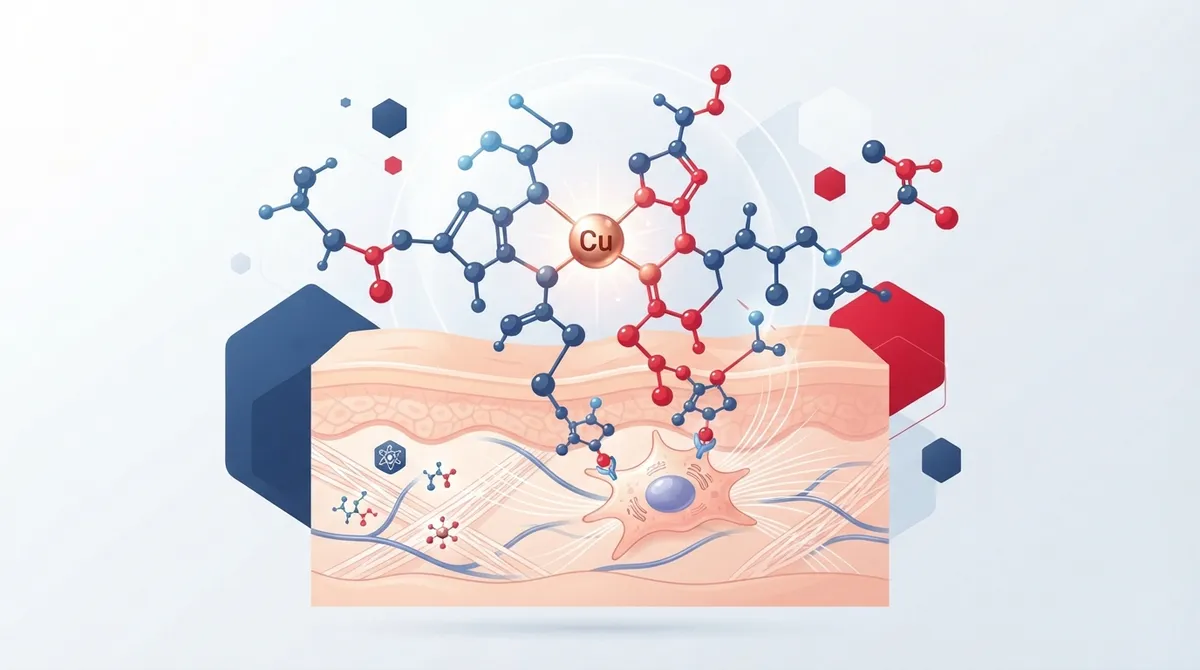
GHK-Cu stands for glycyl-L-histidyl-L-lysine copper. It is a naturally occurring peptide-copper complex found in the human body. Levels of this peptide tend to decline as people age, which is part of why researchers became interested in its connection to mature skin.
The peptide has been studied for decades for its potential role in tissue repair and regeneration. Today it appears in many topical skincare formulas marketed toward aging skin concerns.
2. Why It Matters for Mature Skin
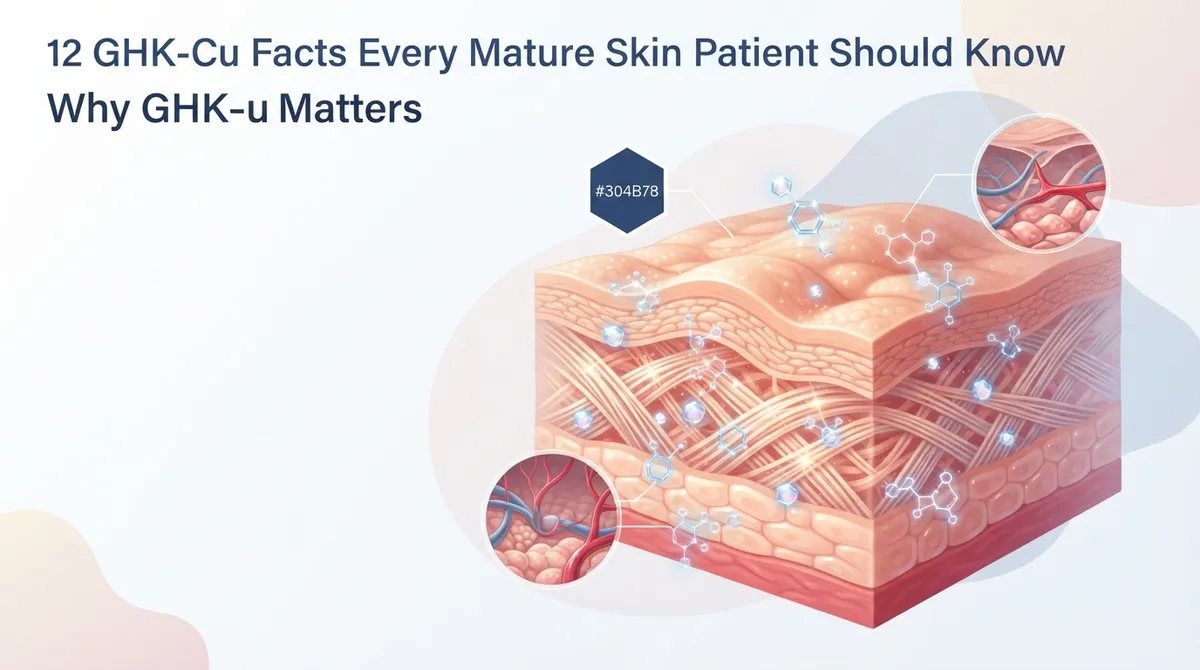
As skin ages, it naturally loses collagen, elasticity, and moisture. This leads to fine lines, sagging, and a rougher texture. GHK-Cu is often included in anti-aging products because early research suggests it may help support the skin's natural repair processes.
It is important to understand that GHK-Cu is a cosmetic ingredient, not a medical treatment for any skin disease. It should be viewed as one part of a broader approach to skin and whole-body wellness.
3. What the Research Shows
A 2018 review in the biomedical literature noted that multiple clinical studies confirmed GHK-Cu's ability to improve the appearance of aging skin. This included improvements in skin firmness, texture, and the look of fine lines.
That said, the evidence base for GHK-Cu is still smaller than for more established ingredients like retinoids or vitamin C. More large-scale, long-term human trials are needed to confirm its full range of benefits.
4. Common Benefits Reported in Studies
Here are the benefits most often cited in cosmetic research on GHK-Cu:
- Improved skin firmness and elasticity
- Reduced appearance of fine lines and wrinkles
- Smoother overall skin texture
- Support for the skin's natural repair processes
- Potential antioxidant activity
These outcomes are generally reported after weeks of consistent topical use, not overnight results.
5. Safety Profile: What a 2023 Review Found
A 2023 safety review summarized 12 clinical studies involving 512 participants. It reported the most common side effects of topical GHK-Cu were transient redness, affecting about 4.2% of users, and mild itching in about 2.8% of users.
A separate 12-week double-blind trial using cosmetic concentrations reportedly found no adverse events at all. This suggests that, for most people, topical GHK-Cu is well tolerated when used as directed.
Typical Concentrations Used in Products
Published cosmetic discussions commonly describe GHK-Cu formulations using low concentrations, often in the range of 0.001% to 0.5%. This is far below levels that would be considered a systemic health concern.
6. Copper Exposure: Should You Be Concerned?
Some patients worry about copper exposure from skincare. Here is helpful context using verified figures:
|
Exposure Type |
Typical Amount |
|---|---|
|
Average dietary copper intake |
1 to 2 mg per day |
|
Topical GHK-Cu product exposure |
Microgram-level copper |
|
Tolerable upper intake level (adults) |
10 mg per day |
As the table shows, topical GHK-Cu use delivers copper exposure far below the tolerable upper limit set for adults. This is one reason it is generally considered low risk when used topically as intended.
7. Injectable and Oral Use: A Different Story
It is critical to separate topical cosmetic use from injectable or oral use of GHK-Cu. Safety data for these other routes is much less established.
Do not assume that findings from topical cosmetic studies apply to injectable or oral products. If you are considering any non-topical use, this should only happen under close medical supervision as part of a broader peptide therapy discussion with a qualified provider.
8. Who Might Consider GHK-Cu for Mature Skin
GHK-Cu may be worth discussing with your provider if you fall into one of these groups:
- Adults noticing early signs of fine lines or reduced skin elasticity
- Individuals looking for a gentle addition to an existing skincare routine
- People interested in prevention-focused wellness strategies
- Patients who have sensitive skin and want a generally well-tolerated option
- Those already working with a provider on whole-body wellness goals
Because everyone's skin and health history is different, a conversation with a primary care or wellness provider is a smart first step.
9. How to Introduce GHK-Cu Into Your Routine
If you decide to try a GHK-Cu product, following a careful process can help reduce your risk of irritation. Here is a simple step-by-step approach:
- Choose a product with a low, cosmetic-grade concentration
- Patch test on a small area of skin for 24 to 48 hours
- Start with application every other day
- Watch for redness, itching, stinging, or dryness
- Increase to daily use only if your skin tolerates it well
- Pair with sunscreen during the day, since new skincare routines can increase sensitivity
If irritation develops, stop use and speak with a healthcare provider before continuing.
10. Can GHK-Cu Be Combined With Other Ingredients?
Many patients ask if GHK-Cu can be layered with retinol or vitamin C. Some formulators suggest alternating these ingredients rather than applying them at the same time, since combining active ingredients can sometimes increase irritation.
A general guide to combining ingredients might look like this:
- Morning: Vitamin C serum followed by sunscreen
- Evening: GHK-Cu product on one night, retinol on alternating nights
- Always moisturize after active ingredients to support the skin barrier
Your skin's tolerance will guide the right combination for you. A wellness provider can help you build a routine that fits your specific skin type and goals.
11. Where GHK-Cu Fits Into Whole-Body Wellness
Skin health does not exist in isolation. Nutrition, hydration, sleep, and hormone balance all play a role in how your skin ages. This is why many patients pair topical skincare strategies with broader wellness services.
At InCare, patients exploring proactive skin and aging strategies can also look into IV hydration and vitamin drips to support hydration from the inside out, or DNA gene testing to better understand personal health patterns. For patients interested in peptide-based wellness more broadly, our team also discusses peptide therapy options in Tampa as part of a personalized plan.
12. Working With a Trusted Wellness Provider
Because the research on GHK-Cu is still developing, it helps to have a knowledgeable provider guide your decisions. A primary care and wellness team can evaluate your skin, medical history, and goals before recommending any new product or therapy.
InCare's providers, including Dr. Pramjeet Ahluwalia and Dr. Naveen Paddu, take a whole-body approach to wellness that goes beyond skincare alone. You can learn more about our full team on the providers page.
Table: Quick Comparison of GHK-Cu Use Types
|
Use Type |
Evidence Level |
General Safety Notes |
|---|---|---|
|
Topical cosmetic (serums, creams) |
Moderate, growing evidence base |
Generally well tolerated; mild redness or itching possible |
|
Injectable |
Limited human data |
Should only be considered under medical supervision |
|
Oral supplementation |
Very limited data |
Not well established; discuss with a provider first |
This comparison highlights why topical use remains the most studied and most commonly recommended approach for mature skin concerns.
Frequently Asked Questions About GHK-Cu and Mature Skin
Patients often want quick, clear answers before trying a new skincare ingredient. Below are some of the most common questions we hear at our Tampa and Riverview locations.
If you want more detailed skin and wellness advice, our team encourages you to see what real patients say by visiting InCare on Google, where you can read reviews from people who have trusted our team with their health goals. You can also follow our updates and wellness tips on Facebook, Instagram, and TikTok.
Choosing the right skincare strategy for mature skin does not have to feel overwhelming. With guidance from a trusted primary care and wellness team, you can make informed choices backed by real evidence rather than trends alone. Our providers in Tampa and Riverview are ready to help you build a personalized plan that fits your skin, your health history, and your goals. To take the next step, reach out to our team today or schedule your appointment now to start your journey toward healthier, more confident skin.
FAQs
Q: What is GHK-Cu used for in skincare?
A: GHK-Cu is a copper peptide used in topical skincare products to support skin repair and improve the appearance of mature skin. It is commonly found in serums and creams aimed at reducing fine lines and improving texture.
Q: Is GHK-Cu good for mature skin?
A: Clinical studies suggest GHK-Cu may help improve firmness, elasticity, and the overall appearance of aging skin. However, the evidence base is smaller than for more established anti-aging ingredients, so results can vary.
Q: What are the side effects of GHK-Cu?
A: The most commonly reported side effects are mild and temporary, including redness, itching, stinging, or dryness. A 2023 safety review found transient redness in about 4.2% of users and mild itching in about 2.8%.
Q: Can GHK-Cu be used with retinol or vitamin C?
A: Many people alternate GHK-Cu with retinol or vitamin C rather than applying them together, since combining active ingredients can increase irritation. Speaking with a wellness provider can help you build a routine suited to your skin.
Q: How long does it take to see results from GHK-Cu?
A: Most clinical studies evaluating GHK-Cu use timelines of several weeks, such as a 12-week trial period, before noticeable improvements appear. Consistent use is generally required to see changes in skin texture and firmness.