Key Takeaways
- Current research on glutathione for fatty liver disease is limited to only 109 total participants across three small studies with varying protocols, so larger well-controlled trials are needed before firm conclusions can be made.
- Oral glutathione absorption is dose-dependent and can raise blood levels, but increased blood glutathione does not automatically improve liver health outcomes—there's a significant gap between biomarkers and real health results.
- Injectable and IV glutathione carry real risks including allergic reactions, infection, dosing errors, and product-quality concerns, and evidence for liver disease treatment remains insufficient to justify routine use.
- Proven liver health strategies include regular liver function tests, maintaining healthy weight, staying active, limiting alcohol, managing blood sugar, and treating underlying conditions like diabetes—these have stronger evidence than glutathione supplements.
Glutathione has become one of the most talked-about supplements in wellness circles, often marketed as a way to "cleanse" or protect the liver. If you have searched for glutathione liver support online, you have likely seen bold claims about detoxification, faster fat-loss from the liver, or reversing damage. But what does the science actually say? At InCare, patients frequently ask our providers about this antioxidant during primary care visits, especially those managing fatty liver concerns or general wellness goals. This article breaks down 12 essential facts about glutathione and liver health, based on current research, so you can make an informed decision with your doctor.
Whether you are a busy parent juggling family health needs, a wellness-focused professional exploring IV hydration and vitamin drips, or simply curious about liver support options, understanding the real evidence matters. Let's look at what glutathione can and cannot do for your liver.
1. What Glutathione Actually Is
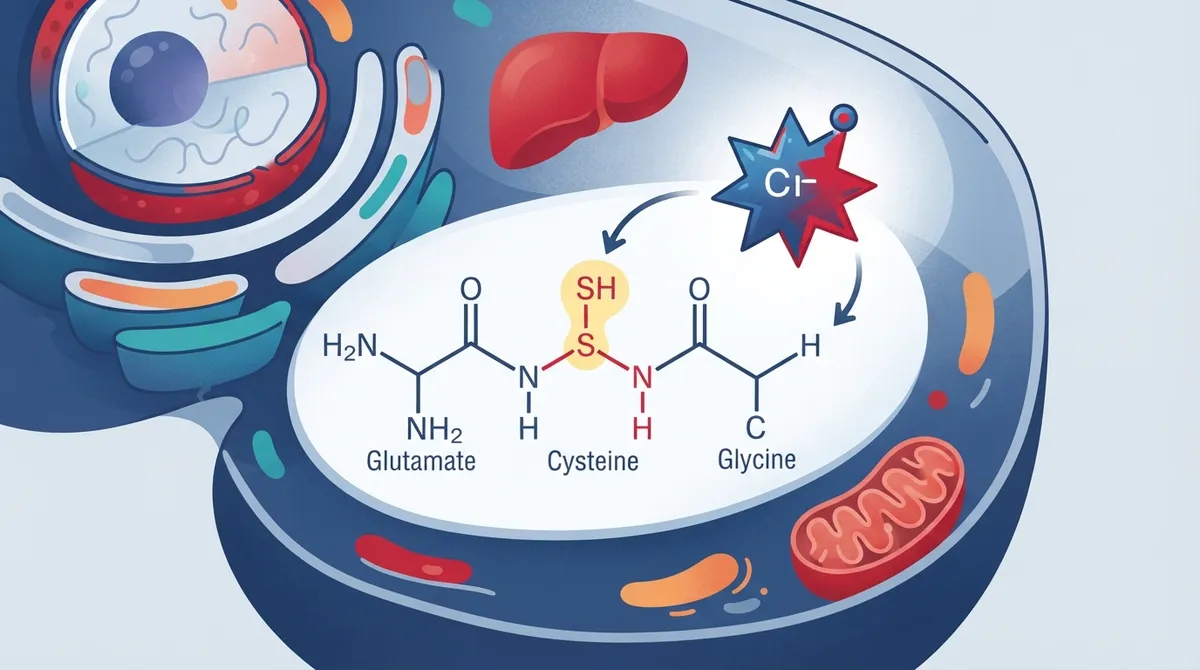
Glutathione (GSH) is a natural antioxidant your body makes on its own. It comes from three amino acids: cysteine, glutamate, and glycine. Your liver uses glutathione to help balance oxidative stress and support normal detox processes.
This does not mean that taking extra glutathione will "detox" a healthy liver. Your body already regulates this process well on its own in most people. The marketing claim of a liver "flush" is not the same as the biological role glutathione plays inside liver cells.
2. The Liver's Natural Role in Detoxification
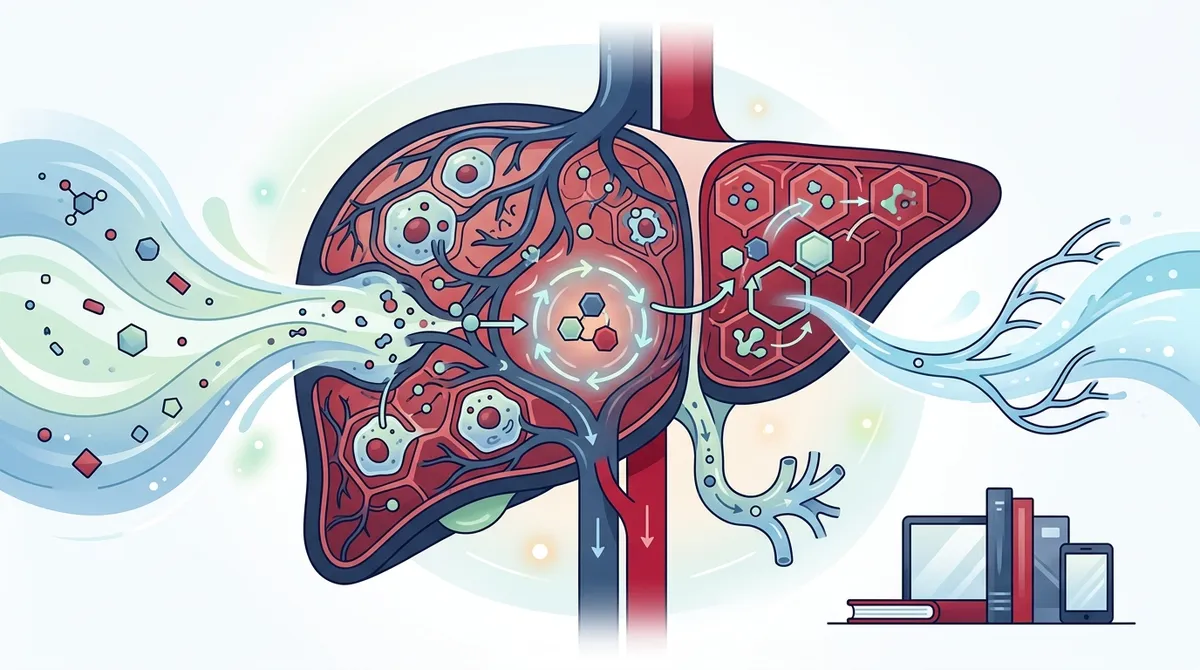
Your liver filters toxins, processes medications, and breaks down waste products every day. Glutathione is one of many tools your liver uses to do this work. But it is not the only factor, and boosting it artificially does not automatically improve liver function.
- The liver also relies on healthy blood flow and proper enzyme activity
- Nutrition, hydration, and sleep all affect liver performance
- Alcohol use and certain medications can strain liver detox pathways
- Chronic conditions like diabetes can affect how well the liver processes fat
3. What Recent Research Shows About Glutathione and Fatty Liver Disease
The most studied use of glutathione for liver health involves metabolic dysfunction-associated steatotic liver disease, formerly called NAFLD. A 2025 literature review looked at glutathione therapy for this condition. It found only three human studies, totaling 109 participants.
All three studies reported some improvement in ALT levels, a marker of liver inflammation. However, the review's authors were clear: the studies were small, and protocols varied. Larger, well-designed trials are still needed before any firm conclusions can be made.
4. The 2017 Pilot Study: Promising But Limited
A widely cited 2017 study tested oral glutathione in people with NAFLD. It was an open-label, single-arm, multicenter pilot study. Researchers noted possible improvements in liver-related measures during the trial.
However, this study had no control group. That means researchers could not rule out other factors, like diet changes or natural fluctuation, as the real cause of improvement. Preliminary findings like this should never be treated as proof of effectiveness.
Why Study Design Matters
When evaluating any liver support claim, ask whether the study had a control group. Without one, it is hard to know if a treatment truly works or if results happened by chance.
|
Study Feature |
2017 NAFLD Pilot Study |
2025 Literature Review |
|---|---|---|
|
Number of Participants |
Single-arm design |
109 total across 3 studies |
|
Control Group |
No |
Varied by study |
|
Key Finding |
Possible liver measure improvement |
ALT improvement reported |
|
Conclusion |
Preliminary only |
Larger trials needed |
5. Oral Glutathione Absorption: What the Data Says
One common question is whether oral glutathione even gets absorbed well. A 2023 pharmacology review summarized a study showing that doses of 250 mg and 1,000 mg per day increased glutathione stores in nonsmoking adults. The effect was dose-dependent, meaning higher doses led to bigger increases.
Still, raising glutathione levels in your blood does not automatically mean your liver health improves. Biomarkers and real health outcomes are two different things, and the research gap between them remains wide.
6. Injectable and IV Glutathione: What You Should Know
Some wellness clinics offer glutathione through injections or IV drips. These methods bypass digestion and may raise blood levels faster than oral supplements.
However, injectable glutathione should not be marketed as a routine liver "detox" treatment. The evidence supporting its use for liver disease remains too limited for broad recommendation. Injections also carry their own risks, including:
- Allergic reactions at the injection site or systemically
- Infection risk if products are not sterile
- Dosing errors from unregulated sources
- Product-quality concerns from non-verified suppliers
If you are considering IV hydration therapy for general wellness, it is important to discuss goals and expectations with a licensed provider first.
7. Glutathione Cannot Replace Treatment for Serious Liver Conditions
This is one of the most important facts to understand. Glutathione is not a substitute for medical treatment of:
- Viral hepatitis (B or C)
- Alcohol-associated liver disease
- Cirrhosis or advanced fibrosis
- Medication-induced liver toxicity
- Metabolic liver disease requiring lifestyle or drug therapy
These conditions require proper diagnosis, monitoring, and often specialist care. A primary care provider can help determine what testing and treatment path makes sense for your specific situation.
8. What the 2025 Hepatitis B Study Actually Showed
A 2025 study looked at reduced glutathione combined with entecavir, an antiviral medication, in patients with chronic hepatitis B. The combination showed improvements in liver function, fibrosis markers, and HBV-DNA levels, without a significant rise in side effects.
This is encouraging, but it is important to understand the context. This was adjunctive therapy, meaning glutathione was added on top of standard antiviral treatment. It does not suggest glutathione works alone or that it can replace antiviral medication.
9. Supplement Quality and Liver Injury Risk
Here is something many wellness seekers overlook: supplements themselves can sometimes harm the liver. The American Association for the Study of Liver Diseases issued practice guidance in July 2022 on drug, herbal, and supplement-induced liver injury.
The National Center for Complementary and Integrative Health also warns that supplement-related liver injury, while uncommon, can be severe. In rare cases, it has required emergency liver transplantation or led to death. This is why quality control and medical guidance matter so much when choosing any supplement.
Questions to Ask Before Trying Any Liver Supplement
- Has this product been tested by a third party for purity?
- Does the supplement interact with any medications I currently take?
- Do I have an existing liver condition that changes the risk profile?
- Am I pregnant, breastfeeding, or considering this for a child?
10. Steps for Genuine Liver Health Support
Rather than relying on unproven supplements alone, primary care emphasizes strategies with stronger evidence behind them. Consider these steps as your foundation for liver wellness:
- Get liver function tests done regularly if you have risk factors
- Maintain a healthy weight through sustainable habits
- Stay physically active most days of the week
- Manage blood sugar and cholesterol levels closely
- Limit or avoid alcohol consumption
- Stay current on vaccinations, including hepatitis A and B where indicated
- Treat underlying conditions like diabetes or fatty liver disease properly
InCare's weight loss programs and body composition analysis can support many of these goals through data-driven, personalized plans.
11. Who Should Talk to a Doctor Before Trying Glutathione
Not everyone needs to avoid glutathione supplements, but certain groups should always check with a clinician first. This includes people who:
- Have diagnosed liver disease of any kind
- Take multiple prescription medications
- Are pregnant or breastfeeding
- Are considering injectable or IV glutathione products
- Have a history of allergic reactions to supplements
A conversation with your provider can help you weigh potential benefits against real risks. This is especially true if you already see a specialist for liver monitoring.
12. How InCare Approaches Liver Health and Wellness
At InCare, we believe in evidence-based care that puts your safety first. Rather than promoting glutathione as a cure-all, our providers, including Dr. Pramjeet Ahluwalia and Dr. Naveen Paddu, focus on comprehensive evaluation first. This means checking your liver enzymes, reviewing your health history, and building a plan around your actual needs.
Our Tampa and Riverview locations offer cancer screenings, DNA gene testing, and wellness services designed to support whole-body health, not just isolated symptoms. If you are curious about glutathione or want a full picture of your liver health, our team can guide you through appropriate testing and options. You can also follow our wellness tips on Facebook or see patient experiences and health content on Instagram and TikTok.
Comparing Glutathione Delivery Methods
|
Delivery Method |
Absorption |
Evidence for Liver Support |
Key Risks |
|---|---|---|---|
|
Oral Capsules |
Variable, dose-dependent increase in stores |
Limited pilot studies |
Generally lower risk profile |
|
Injectable |
Faster blood level increase |
Insufficient for liver disease claims |
Allergic reaction, infection, dosing errors |
|
IV Infusion |
Direct bloodstream delivery |
Not established for liver disease |
Product-quality concerns, cost |
Making an Informed Decision About Liver Support
Glutathione is a biologically plausible option for certain wellness goals, but it is not a proven liver detoxifier or disease cure. The current research supports cautious optimism, not confident claims. If you are dealing with abnormal liver tests, fatty liver disease, or general wellness concerns, the smartest first step is a conversation with a trusted provider.
Our patients often mention their positive experiences with our staff, including office manager Beth and our physician team, when discussing their care journey. You can read more patient experiences and visit us on Google — InCare to see what others are saying about our approach to wellness and primary care.
Ready to get a clear picture of your liver health and overall wellness? Book your appointment with InCare today and let our team help you build a personalized, evidence-based plan for lasting health.
FAQs
Q: Does glutathione actually detox or cleanse the liver?
A: No strong evidence supports the idea that supplemental glutathione cleanses a healthy liver. Your liver already produces and uses glutathione naturally as part of normal detox pathways, and taking extra supplements does not equate to a liver flush.
Q: Can oral glutathione help with fatty liver disease?
A: Some small pilot studies suggest possible improvements in liver enzymes for people with fatty liver disease. However, a 2025 review found only 109 total participants across three studies, so larger, well-controlled trials are still needed before firm conclusions can be made.
Q: Are glutathione injections or IV therapy safe for liver support?
A: Injectable glutathione carries risks including allergic reactions, infection, and dosing errors, and evidence for liver disease treatment remains insufficient. Anyone considering IV or injectable glutathione should discuss it with a licensed medical provider first.
Q: Can glutathione reverse liver damage, fibrosis, or cirrhosis?
A: Current research does not support the claim that glutathione reverses fibrosis or cirrhosis. Studies to date are small, preliminary, and focused mainly on enzyme markers rather than long-term structural liver outcomes.
Q: Can glutathione replace treatment for hepatitis or alcohol-related liver disease?
A: No, glutathione should never replace proven treatments like antiviral therapy for hepatitis or alcohol-use intervention. A 2025 study combining glutathione with antiviral medication for hepatitis B showed benefits only as an add-on therapy, not as a standalone treatment.