
Key Takeaways
- CJC-1295 is a synthetic 29-amino-acid peptide with four specific amino acid substitutions at positions 2, 8, 15, and 27 that increase its resistance to enzymatic breakdown compared to natural GHRH.
- The DAC form of CJC-1295 includes a maleimidopropionyl group that binds to serum albumin, extending its bloodstream circulation time significantly longer than the no-DAC version.
- CJC-1295 without DAC has a molecular formula of C152H252N44O42 (≈3367.95 g/mol), while the DAC version has C165H269N47O46; these are chemically distinct molecules often confused in discussions.
- The peptide's structure is designed to trigger pulsatile growth hormone release mimicking natural patterns, though this mechanism and individual results remain areas of ongoing research.
- CJC-1295 lacks widespread FDA approval for general medical use, and long-term safety data remains limited; patients should verify regulatory status and discuss risks with a licensed provider before use.
- CJC-1295 differs structurally and functionally from similar peptides like sermorelin and Modified GRF(1-29), requiring provider guidance to understand which form suits individual health goals and circumstances.
Peptide therapy has become a popular topic among people looking for advanced wellness solutions. If you have heard of CJC-1295, you may wonder what makes this peptide different from others. Understanding its structure helps explain why it works, how long it lasts in the body, and what safety questions matter most. This guide breaks down the science in simple terms, so you can have an informed conversation with your provider.
Whether you are a busy parent researching options between school pickups, or a wellness-focused professional comparing peptide therapies before your next primary care visit, this article gives you the facts. We will cover the molecular makeup of CJC-1295, how it differs from related peptides, and why medical guidance matters. At InCare, our Tampa and Riverview teams believe patients deserve clear, accurate information before considering any peptide-based wellness option.
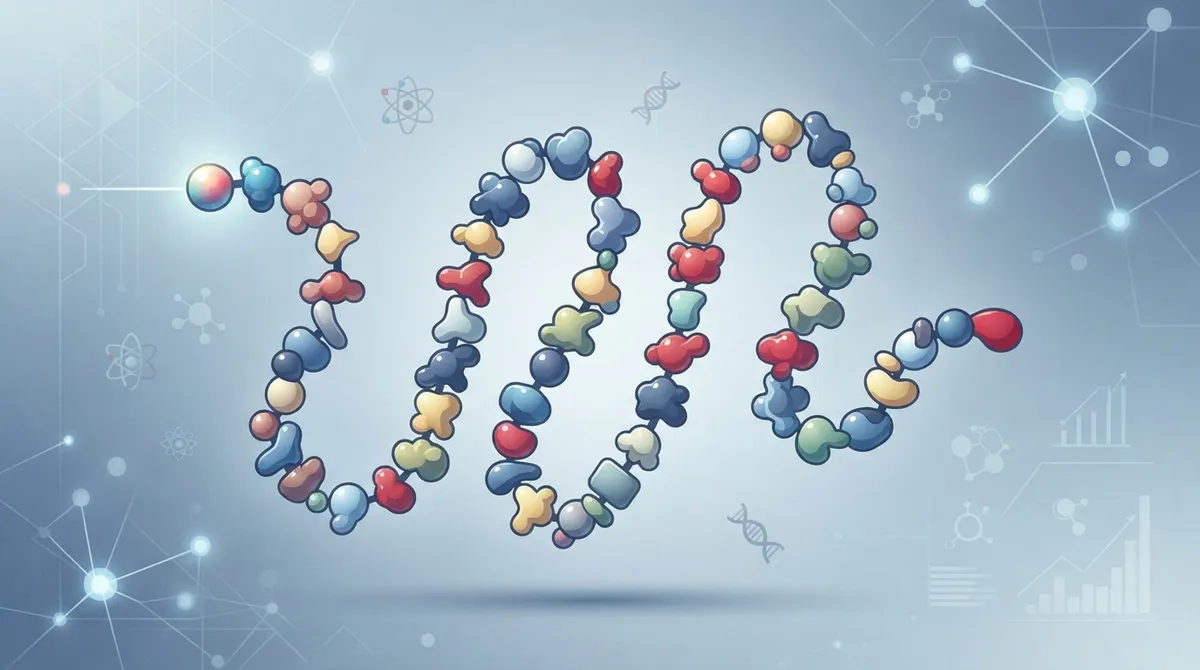
1. CJC-1295 Is Built From 29 Amino Acids
CJC-1295 is a man-made peptide made of 29 amino acids. It is modeled after the first 29 building blocks of a natural hormone called growth hormone-releasing hormone, or GHRH. This natural hormone tells your pituitary gland to release growth hormone in pulses throughout the day.
Scientists created CJC-1295 to copy this same signal. By using the active part of GHRH, researchers hoped to trigger similar effects with a lab-made compound. This is why the peptide is often described as a GHRH analog rather than a naturally occurring hormone.
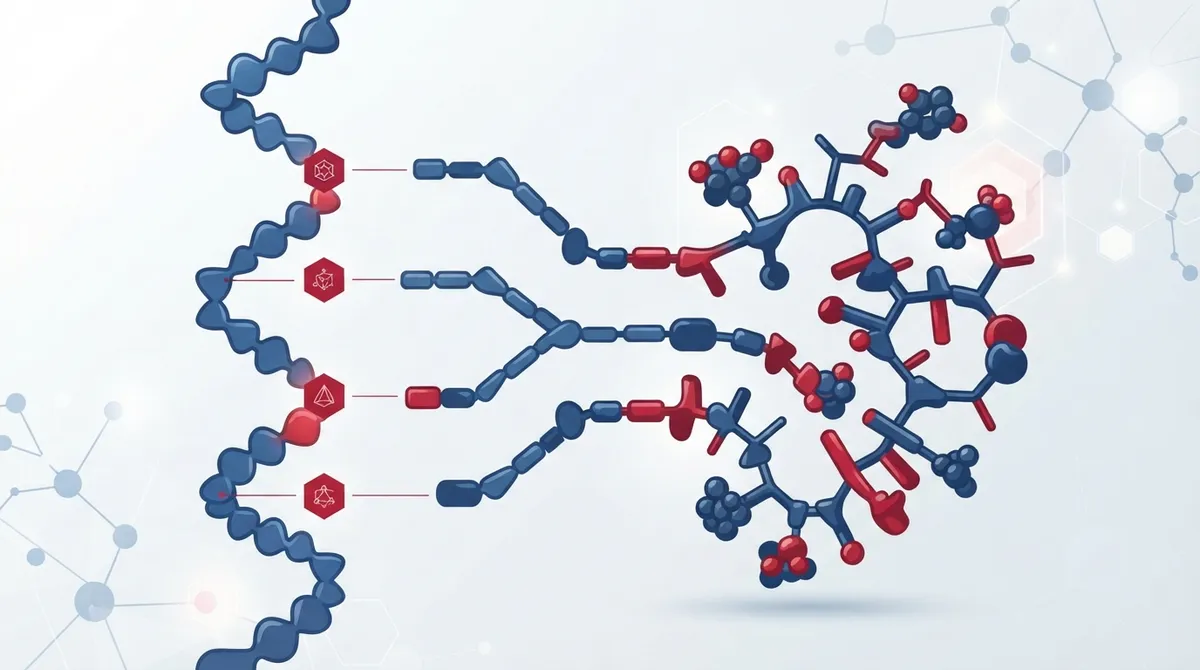
2. Four Key Amino Acid Swaps Change Everything
The structure of CJC-1295 is not an exact copy of GHRH. Scientists changed four specific amino acids at positions 2, 8, 15, and 27. These small changes make a big difference in how the peptide behaves in the body.
These substitutions help the peptide resist breakdown by enzymes in your blood. Natural GHRH breaks down very quickly, often within minutes. The modified structure of CJC-1295 was designed to last longer, giving it more time to send its signal before your body clears it away.
3. The Molecular Formula Tells a Precise Story
For those who like exact numbers, the free-base form of CJC-1295, also known as the no-DAC version, has a molecular formula of C152H252N44O42. Its molecular weight comes in at about 3367.95 grams per mole. This precise chemical makeup is what researchers use to identify and verify the peptide in laboratory settings.
This level of detail matters for quality control. A peptide with the wrong formula is not the same compound, even if it is labeled similarly. This is one reason working with a knowledgeable healthcare provider matters when discussing any peptide-related wellness question.
4. DAC Technology Adds a Reactive Group
Some versions of CJC-1295 include something called DAC, which stands for drug affinity complex. This version has a different molecular formula, listed as C165H269N47O46. The DAC form includes an extra chemical piece called a maleimidopropionyl group.
This reactive group is the key difference between the two forms. It is designed to attach to a protein in your blood called albumin. This single structural addition changes how the peptide behaves once it enters your bloodstream.
5. Albumin Binding Extends the Peptide's Time in the Body
Once the DAC group attaches to albumin, the peptide circulates in your blood for a much longer period. Albumin is a large, stable protein that naturally stays in the bloodstream for days. By binding to it, CJC-1295 with DAC can remain active far longer than the no-DAC version.
This structural feature is why some formulations are described as long-acting. The chemistry behind this binding process is a good example of how small structural changes can lead to very different results in the body.
Comparing CJC-1295 With DAC and Without DAC
|
Feature |
CJC-1295 (No DAC) |
CJC-1295 With DAC |
|---|---|---|
|
Molecular Formula |
C152H252N44O42 |
C165H269N47O46 |
|
Molecular Weight |
About 3367.95 g/mol |
Higher due to added chemical group |
|
Albumin Binding |
No |
Yes |
|
Duration in Body |
Shorter |
Longer |
|
Common Discussion Context |
Pulsatile signaling research |
Extended exposure research |
6. These Two Forms Are Not Structurally Identical
It is important to understand that CJC-1295 with DAC and Modified GRF(1-29), sometimes called CJC-1295 without DAC, are not the same molecule. People sometimes use these names interchangeably, but the chemical structures are different.
This distinction matters for anyone researching peptide options. Mixing up these two forms can lead to confusion about expected effects, dosing conversations, and safety considerations. Always clarify which specific form is being discussed with your provider.
7. Structure Determines How Growth Hormone Is Released
The structural design of CJC-1295 is meant to encourage a pulsatile release of growth hormone. This means the hormone is released in bursts, similar to how your body naturally produces it, rather than a constant flow.
Researchers believe this pulsing pattern may be closer to how your body normally works. However, this remains an area of ongoing study, and results can vary between individuals. This is exactly the kind of nuanced topic best discussed during a comprehensive wellness visit with a licensed provider.
8. Regulatory Status Remains Limited
Despite growing interest, CJC-1295 does not have widespread approval for general medical use. It is often discussed in research and wellness settings, but oversight and long-term safety data remain limited compared to many standard treatments.
This is an important point for anyone exploring peptide therapy for anti-aging, body composition, or recovery goals. Patients should ask direct questions about regulatory status before considering any peptide-based approach.
Quick Facts Snapshot
- CJC-1295 is a synthetic 29-amino-acid GHRH analog.
- Four amino acid substitutions improve its stability.
- The no-DAC form has a molecular weight near 3367.95 g/mol.
- The DAC form binds to albumin for extended activity.
- It is not approved for general clinical use.
- Safety and regulatory scrutiny remain ongoing concerns.
9. How CJC-1295 Compares to Similar Peptides
Many patients ask how CJC-1295 compares to other peptides like sermorelin or Modified GRF(1-29). While all three relate to growth hormone signaling, their structures and durations of action differ. Sermorelin, for example, is shorter-acting and has its own distinct amino acid sequence.
Understanding these differences requires more than a quick online search. A knowledgeable provider can walk you through the pros, cons, and structural details of each option based on your personal health history.
- Sermorelin: Shorter duration, different amino acid sequence.
- Modified GRF(1-29): Similar base structure to CJC-1295 without DAC.
- CJC-1295 without DAC: Moderate duration, no albumin binding.
- CJC-1295 with DAC: Long-acting due to the added chemical group.
10. Why This Topic Matters for Primary Care Conversations
Primary care providers are increasingly fielding questions about peptide therapy. Patients read about these compounds online and want to know if they are safe, effective, or worth exploring. A well-informed clinician should understand the basic chemistry before offering any guidance.
This is especially true for patients pursuing whole-body optimization strategies, including those exploring DNA gene testing or body composition analysis. Peptide structure knowledge fits into a bigger picture of personalized, data-driven wellness planning.
Steps to Take Before Considering Peptide Therapy
- Research the specific peptide form and its verified molecular structure.
- Ask your provider about regulatory status and available safety data.
- Discuss your personal health history and any current medications.
- Request lab work or baseline testing before starting any new therapy.
- Set clear expectations about timelines and realistic outcomes.
- Schedule follow-up visits to monitor how your body responds.
11. Safety Considerations Tied to Structural Design
Because CJC-1295 is designed to extend growth hormone signaling, patients should understand potential risks. Prolonged stimulation of any hormone pathway can carry consequences that are not fully understood without more research.
Working with a clinical team that understands both the chemistry and the clinical picture is essential. This is why patients often turn to established practices, such as our providers, including Naveen Paddu MD, Pramjeet Ahluwalia MD, and Teshy John MD, for guidance rooted in medical expertise rather than internet trends.
12. Making Informed Decisions About Peptide Wellness Options
Understanding the structure of CJC-1295 is only the first step. The bigger picture involves weighing potential benefits against known and unknown risks, along with your specific health goals. This is not a decision to make based on social media posts or unverified sources.
Patients in Tampa and Riverview looking for structured, science-backed guidance can explore related services like our peptide therapy programs or general weight loss support. Our team stays current with emerging research so you receive accurate, up-to-date recommendations.
Table: Key Structural Facts at a Glance
|
Structural Element |
Detail |
|---|---|
|
Base Structure |
First 29 amino acids of GHRH |
|
Modified Positions |
2, 8, 15, and 27 |
|
No-DAC Formula |
C152H252N44O42 |
|
DAC Formula |
C165H269N47O46 |
|
Purpose of DAC Group |
Bind serum albumin for longer half-life |
For deeper background on related peptide compounds, patients often review resources like our article on what CJC-1295 actually does for your health or our comparison piece on CJC-1295 versus Ipamorelin. These resources add helpful context to the structural facts covered here.
Many patients also follow health education content on social platforms to stay informed between appointments. You can find helpful wellness tips through our Facebook page, visual health content on Instagram, and quick wellness explainers on TikTok. These channels complement, but never replace, one-on-one conversations with your provider.
Before starting any peptide-related wellness plan, it helps to see what other patients say about their experience. You can visit us on Google — InCare to read real reviews from patients across our Tampa and Riverview locations. Many highlight the clear communication and personalized attention our team provides during wellness consultations.
Understanding CJC-1295 structure gives you a stronger foundation for any conversation about peptide therapy. If you want to discuss whether this or related wellness options fit your health goals, our team is ready to help. You can reach out to our care team with questions, or go ahead and schedule your wellness consultation today to get started on a plan built around accurate science and your personal health needs.
FAQs
Q: What is CJC-1295 made of?
A: CJC-1295 is a synthetic peptide made of 29 amino acids, modeled after the active portion of growth hormone-releasing hormone. It includes four specific amino acid substitutions designed to improve stability and resist enzymatic breakdown.
Q: What is the difference between CJC-1295 with DAC and without DAC?
A: The DAC version includes an added maleimidopropionyl group that binds to serum albumin, extending its time in the bloodstream. The no-DAC version, sometimes called Modified GRF(1-29), lacks this feature and clears from the body more quickly.
Q: How does the structure of CJC-1295 affect its half-life?
A: The DAC modification allows the peptide to attach to albumin, a stable blood protein, which significantly extends how long it remains active. Without this modification, the peptide is broken down and cleared much faster.
Q: Is CJC-1295 approved for medical use?
A: CJC-1295 does not have widespread approval for general clinical use and is primarily discussed in research and wellness contexts. Patients should discuss regulatory status and safety data with a licensed provider before considering it.
Q: How does CJC-1295 compare with sermorelin or Modified GRF(1-29)?
A: All three are related to growth hormone signaling, but they differ in amino acid sequence and duration of action. Sermorelin tends to be shorter-acting, while CJC-1295 with DAC is designed for extended activity through albumin binding.