Key Takeaways
- MOTS-c lacks FDA approval and human clinical evidence for treating muscle weakness; current evidence comes only from animal studies and one human study showing exercise increases MOTS-c levels naturally, not that injections restore strength.
- Online MOTS-c products labeled 'research use only' have no verified purity, sterile manufacturing, accurate dosing, or safety testing—consult a licensed clinician before considering any peptide product.
- Proven, evidence-based treatments for muscle weakness already exist: progressive resistance training, adequate protein intake, physical therapy, and correcting vitamin/hormone deficiencies have decades of research support.
- Muscle weakness can signal serious treatable conditions like thyroid disease, B12 deficiency, anemia, or nerve disorders—get a proper medical evaluation with bloodwork and physical exam before trying unproven peptides.
Muscle weakness sends thousands of people online every year searching for quick fixes. One name that keeps popping up is MOTS-c, a tiny peptide made inside your own cells. Wellness forums claim it can restore strength, boost energy, and reverse age-related muscle loss. But before you consider trying it, it helps to know what the science actually says and what does not.
This guide breaks down 11 key facts about MOTS-c and muscle weakness. We will look at what research shows, what remains unproven, and what steps actually help you regain strength safely. If you live in Tampa or Riverview and are worried about weakness, fatigue, or muscle loss, this article will help you separate hype from evidence.
1. MOTS-c Is a Peptide Made by Your Mitochondria
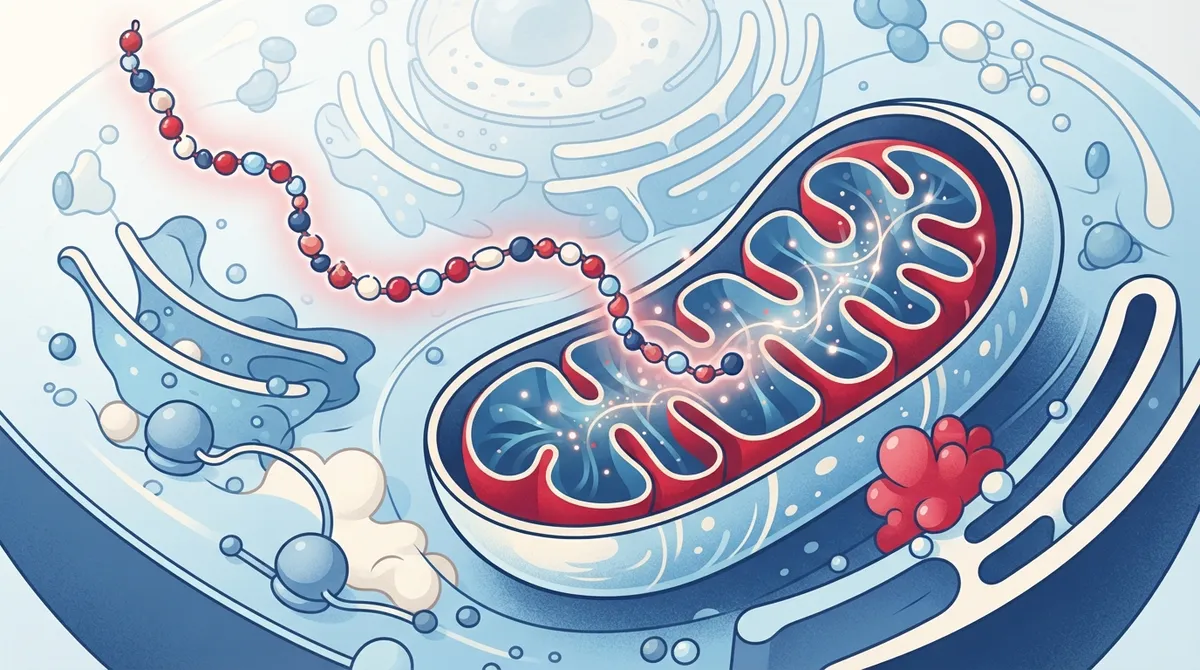
MOTS-c stands for mitochondrial open reading frame of the 12S rRNA-c. It is a small peptide coded by DNA found inside your mitochondria, the energy factories of your cells. Scientists first identified it as a possible regulator of energy metabolism, cellular stress, and insulin sensitivity.
Because mitochondria are tied closely to muscle function, researchers began asking if MOTS-c might help muscles work better. This question is still being studied, and much remains unknown about how it functions in real patients.
2. Animal Studies Suggest Possible Muscle Benefits
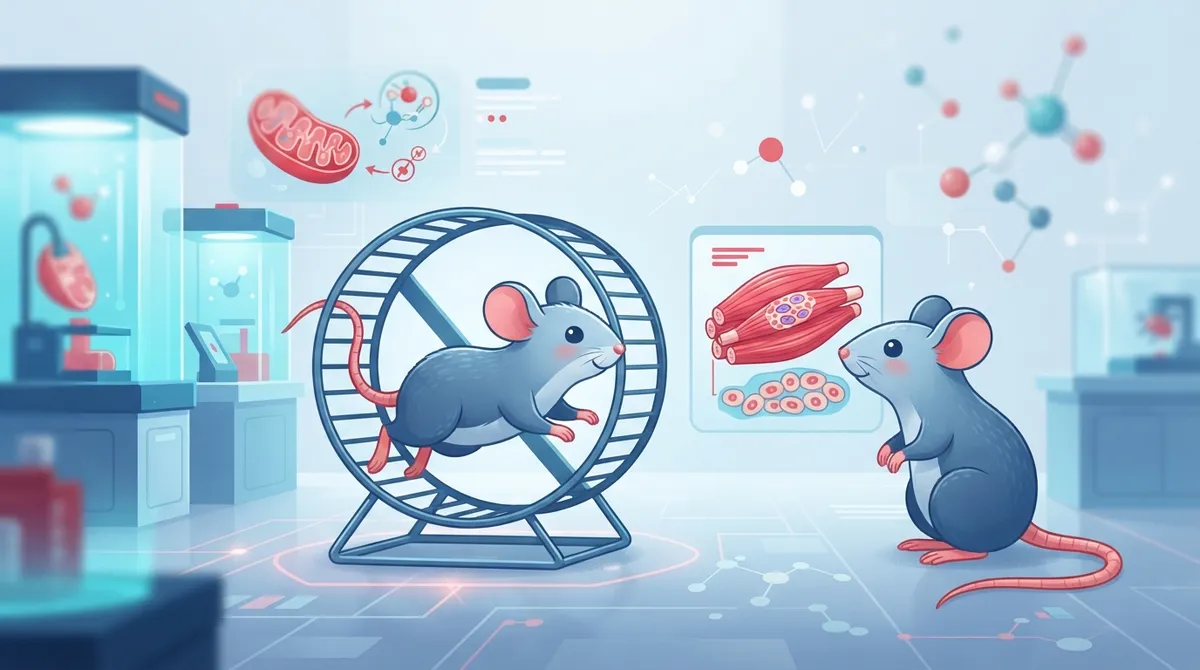
Much of what we know about MOTS-c comes from mouse studies. Researchers found that MOTS-c may support glucose uptake in skeletal muscle, improve mitochondrial function, and help mice maintain exercise performance as they age.
These are interesting findings, but mice are not people. Results in animals cannot be assumed to work the same way in humans. This is one of the biggest gaps between MOTS-c marketing claims and actual proven science.
3. Human Research Shows an Exercise Connection, Not a Cure
A 2021 study published in Nature Communications found that exercise increases MOTS-c levels in humans. This tells us MOTS-c may be part of how your body naturally responds to physical activity.
However, this is only an association. It does not prove that injecting MOTS-c or taking a supplement will build strength or fix muscle weakness. The study measured a natural biological response to exercise, not a treatment outcome.
4. There Is No FDA-Approved MOTS-c Treatment
As of 2026, there is no FDA-approved MOTS-c product for muscle weakness, sarcopenia, or frailty. There is also no established clinical dose, protocol, or standard treatment plan backed by regulatory agencies.
Any product sold as "MOTS-c for muscle weakness" is not an approved medical treatment. This matters because unapproved products often lack safety testing, quality control, and clear dosing guidelines.
5. Synthetic Analog Research Is Still Early
Some researchers have studied a MOTS-c-related compound called CB4211 in a Phase 1a/1b human trial. Participants had obesity or fatty liver disease, and the study focused mainly on metabolic safety, not muscle strength.
Results from a synthetic analog should not be treated as proof that native MOTS-c works the same way. This distinction gets lost in a lot of online marketing.
|
Evidence Type |
What It Shows |
What It Does Not Show |
|---|---|---|
|
Mouse studies |
Possible muscle and metabolic effects |
Human safety or effectiveness |
|
2021 human exercise study |
Exercise raises MOTS-c levels |
That MOTS-c injections build strength |
|
CB4211 Phase 1a/1b trial |
Early metabolic safety data |
Muscle weakness treatment proof |
|
Online peptide products |
Marketing claims |
Verified purity, dosing, or FDA approval |
6. Quality Concerns With Online Peptide Products
Many MOTS-c products sold online are labeled as "research use only." This means they were never tested for human safety, sterility, or accurate dosing.
- Concentration may not match the label
- Sterility cannot be confirmed
- Storage conditions are often unclear
- Purity testing may be missing entirely
If you are considering any peptide product, talk to a licensed clinician first. A trusted primary care provider can help you understand the risks before you try something unproven.
7. Muscle Weakness Has Many Real, Treatable Causes
New or worsening muscle weakness should never be ignored. It can be a sign of something that needs medical attention right away.
- Low vitamin B12 or vitamin D levels
- Thyroid disease
- Anemia
- Electrolyte imbalances
- Uncontrolled diabetes
- Medication side effects
- Nerve disorders
- Inflammatory muscle disease
- Infection
Sudden, one-sided, painful, or rapidly worsening weakness needs urgent evaluation. If you notice these symptoms, visit urgent care the same day rather than waiting.
8. Proven Treatments Already Exist for Muscle Loss
While MOTS-c remains experimental, there are proven ways to fight muscle weakness and age-related muscle loss right now.
- Progressive resistance training
- Adequate protein and calorie intake
- Physical therapy for specific weakness patterns
- Correcting vitamin or hormone deficiencies
- Managing chronic disease, like diabetes or thyroid problems
These strategies have decades of research behind them. A personalized weight loss and wellness plan can also support muscle health while managing body composition.
9. Insulin Sensitivity Claims Need More Human Proof
Some marketing suggests MOTS-c improves insulin sensitivity, which could theoretically support muscle metabolism. This idea comes mostly from animal research and early mechanistic studies.
It should not replace standard diabetes care, weight management, or metabolic testing. Tools like metabolic breath analysis and DNA gene testing offer science-backed ways to understand your metabolism today.
10. Long-Term Safety Data Is Still Missing
We do not have solid data on MOTS-c's long-term safety. Questions remain about drug interactions, immune responses, and safety in older adults, pregnant women, and people with kidney or liver disease.
A 2023 review of the evidence found the research base remains small and early-stage, without an established clinical use. This is an important reason to be cautious before trying any unregulated peptide product.
11. Talk to a Doctor Before Trying Any Peptide
If you are dealing with muscle weakness, the smartest first step is a proper medical evaluation, not a peptide purchase. A physician can order bloodwork, check hormone levels, and rule out serious causes.
At InCare, our providers, including Naveen Paddu, MD, Pramjeet Ahluwalia, MD, and Teshy John, MD, take a whole-body approach to unexplained weakness. We look at nutrition, hormones, lab values, and lifestyle factors together, rather than chasing one unproven peptide.
What to Expect During a Muscle Weakness Evaluation
Your visit typically includes a review of symptoms, a physical exam, and targeted lab testing. Depending on your history, your doctor may also order thyroid panels, vitamin levels, or nerve function tests.
You can also ask about advanced wellness tools, such as body composition analysis, to track muscle mass changes over time. This gives you real data instead of guesswork.
Why Ask About Peptide Use During Checkups
If you are already using a research peptide, tell your doctor. This helps them interpret new symptoms and rule out any connection between the peptide and your weakness.
Our team also offers guidance on peptide therapy in Tampa for patients interested in evidence-informed options that are monitored by a physician.
Comparing MOTS-c Claims to Proven Approaches
|
Approach |
Evidence Level |
Availability |
|---|---|---|
|
MOTS-c injections |
Preclinical and early-stage only |
Unregulated online sellers |
|
Resistance training |
Strong, decades of research |
Widely available, low cost |
|
Physical therapy |
Strong clinical evidence |
Prescribed by physicians |
|
Nutrition and protein optimization |
Well-established |
Guided by primary care or dietitians |
Many patients in Tampa and Riverview turn to InCare because we combine advanced testing with honest, evidence-based guidance. You can read what our patients say by visiting Visit us on Google — InCare, where our clinic holds a strong reputation for attentive, whole-body care.
We also share ongoing wellness education and patient updates on Facebook, Instagram, and Tik Tok, where our team explains topics like peptide therapy in plain language.
Steps to Take If You Are Experiencing Muscle Weakness
- Track when the weakness started and how it has changed
- Note any new medications or supplements, including peptides
- Schedule a visit with a primary care provider
- Ask for basic labs, including thyroid, B12, and vitamin D
- Discuss a resistance training and nutrition plan
- Follow up regularly to track strength and lab changes
If your symptoms are sudden or severe, do not wait for a scheduled appointment. Our urgent care team can see you quickly and start the right workup the same day.
Final Thoughts on MOTS-c and Muscle Weakness
MOTS-c is a fascinating area of research, but it is not a proven treatment for muscle weakness today. The strongest evidence still points to resistance exercise, proper nutrition, and treating the true medical cause of your symptoms.
If you are struggling with weakness, fatigue, or unexplained muscle loss, do not guess with unregulated products. Reach out to our care team today or schedule your visit online now to get a real answer and a real plan for stronger, healthier muscles.
FAQs
Q: Can MOTS-c improve muscle strength or treat muscle weakness?
A: There is no proven human evidence that MOTS-c improves muscle strength or treats muscle weakness. Current data comes mostly from animal studies and early mechanistic research, not clinical trials measuring strength outcomes.
Q: Is MOTS-c FDA-approved for sarcopenia, frailty, or muscle loss?
A: No, MOTS-c is not FDA-approved for any medical condition, including sarcopenia or frailty. It remains an investigational compound without an established clinical protocol.
Q: What are the possible side effects and risks of MOTS-c injections?
A: Long-term safety data on MOTS-c is limited, and risks may include unknown drug interactions or contamination from unregulated products. Because purity and dosing are not standardized, side effects and risks remain poorly understood.
Q: What should I do if I develop muscle weakness while using a research peptide?
A: Stop using the product and contact a primary care provider right away. Bring the product information to your appointment so your doctor can evaluate any possible connection to your symptoms.
Q: What evidence-based treatments are available for age-related muscle loss and weakness?
A: Progressive resistance training, adequate protein intake, physical therapy, and correcting nutrient deficiencies are well-supported treatments for muscle loss. A primary care evaluation can also identify and treat underlying medical causes.