
Key Takeaways
- KPV lacks strong human evidence for mast cell stabilization; all reliable research comes from animal studies and lab settings, not clinical trials in people, making claims about blocking histamine release unproven.
- Established mast cell treatments like antihistamines, cromolyn sodium, and ketotifen have strong clinical evidence and should be pursued before unproven peptides; proper diagnosis requires blood tests and specialist evaluation.
- KPV products sold online are unregulated with unclear purity and sterility; long-term safety data in humans is limited, and injectable forms carry contamination and dosing risks without medical supervision.
- Many symptoms mimicking mast cell activation actually stem from thyroid problems, anxiety, or food intolerances; a full medical evaluation and diagnosis must precede any supplement use to avoid wasting time on unproven treatments.
Search online for "kpv mast cell degranulation," and you will find bold claims. Some websites say KPV peptide stops mast cells from releasing histamine. Others call it a natural fix for mast cell activation syndrome. But what does the actual science say? This matters if you deal with unexplained flushing, hives, stomach pain, or allergy-like symptoms that never seem to have a clear cause.
At InCare, our approach to primary care starts with facts, not marketing claims. This article breaks down what KPV actually is, what the research really shows, and why chasing an unproven peptide could delay the real answers you need. We will also cover proven treatments and how a qualified clinician can help you get a correct diagnosis.
1. KPV Is Not a Proven Mast Cell Stabilizer
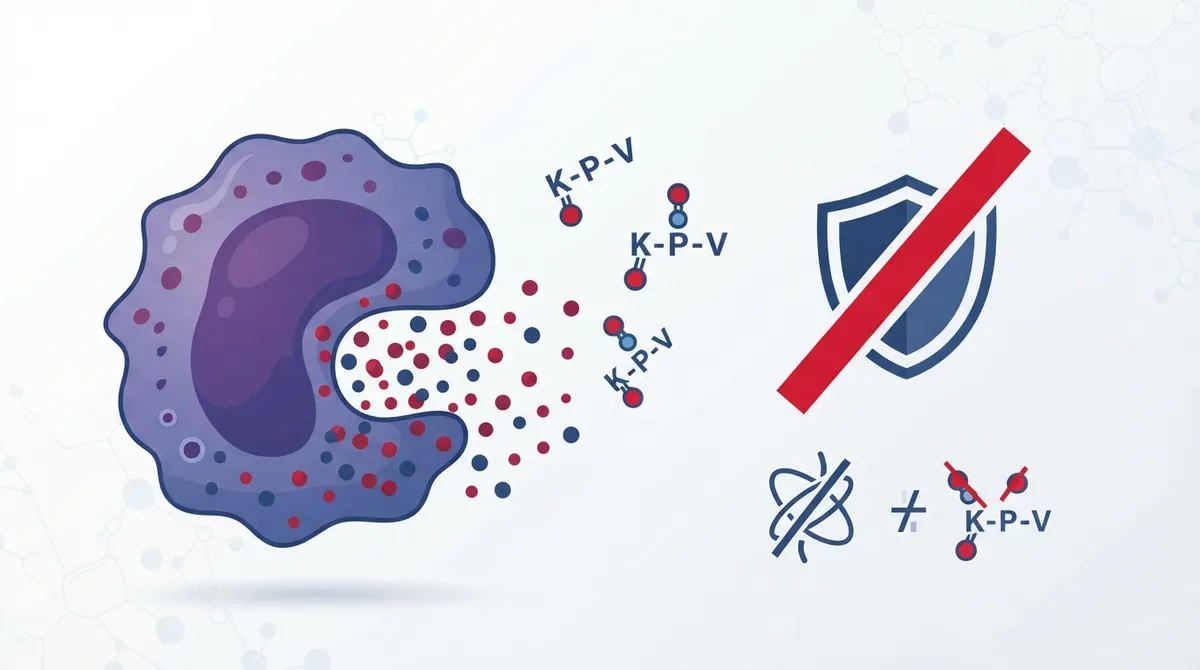
KPV, short for Lysine-Proline-Valine, is a small tripeptide. It comes from a larger hormone called alpha-melanocyte-stimulating hormone, or α-MSH. Researchers have studied KPV mostly in lab settings and animal models, not in large human trials.
Many wellness sites claim KPV directly blocks mast cell degranulation, the process where mast cells release histamine and other chemicals. This claim is not backed by strong human evidence. The available research is preclinical, meaning it comes from cell studies and animal experiments, not people.

2. Understanding What Mast Cell Degranulation Actually Means
Mast cells are immune cells found throughout your body, especially in your skin, gut, and airways. When triggered, they release histamine, tryptase, and other chemicals. This release is called degranulation.
This process causes classic allergy symptoms like:
- Hives or skin flushing
- Itching
- Swelling
- Stomach cramps or diarrhea
- Wheezing or shortness of breath
- In severe cases, anaphylaxis
Mast cell activation syndrome, or MCAS, is a real medical condition. But it requires a careful diagnosis. Symptoms alone are not enough. Doctors need lab evidence of mediator release and a response to proper treatment.
3. Why KPV Research Does Not Equal Human Proof
A lot of KPV data comes from a well-known area of study: chemically induced colitis in animals. Researchers gave KPV to mice with intestinal inflammation and saw some reduction in symptoms. This sounds promising. But animal colitis models cannot predict how KPV behaves in the human body.
No large, high-quality randomized trials in humans have confirmed that KPV reduces mast cell mediators like histamine or tryptase. Without this kind of evidence, claims about KPV and mast cell degranulation stay theoretical, not medical fact.
4. The Parent Molecule Problem: KPV vs. α-MSH
Some marketing materials link KPV's benefits to α-MSH, the larger hormone it comes from. This is misleading. Just because α-MSH has certain effects on mast cells does not mean the smaller KPV fragment behaves the same way.
Peptides can act very differently from their parent molecules. Assuming identical effects without direct human testing is a common mistake in wellness marketing. This is one reason why unregulated peptide products often overpromise results they cannot back up.
5. What Legitimate Mast Cell Treatments Actually Look Like
If you suspect mast cell activation, established treatments already exist. These are backed by real clinical trials and used by doctors every day. A trusted table can help clarify the difference between proven options and unproven peptides like KPV.
|
Treatment Type |
Evidence Level |
Common Use |
|---|---|---|
|
Antihistamines (H1 and H2 blockers) |
Strong human evidence |
Reduce itching, flushing, hives |
|
Cromolyn sodium |
Strong human evidence |
Mast cell stabilizer for GI symptoms |
|
Ketotifen (where available) |
Moderate to strong evidence |
Mast cell stabilization |
|
Leukotriene modifiers |
Moderate evidence |
Reduce inflammatory response |
|
Epinephrine |
Strong human evidence |
Emergency anaphylaxis treatment |
|
KPV peptide |
Preclinical only |
Not established for mast cell conditions |
6. Why Diagnosis Should Come Before Any Peptide Product
Many symptoms that feel like mast cell activation actually come from other conditions. Thyroid problems, anxiety, food intolerances, and skin conditions can all mimic MCAS. This is why a proper workup matters more than jumping straight to an unproven supplement.
Your primary care provider should rule out urgent or common causes first. This process usually includes blood tests, a detailed symptom history, and sometimes referral to an allergist or immunologist. If you have not had a full evaluation yet, it may be time to find a primary care clinic near you in Tampa or Riverview.
7. Common Mistakes People Make With KPV Products
Patients researching KPV mast cell degranulation often fall into a few predictable traps. Here are the most common mistakes:
- Believing animal study results apply directly to humans
- Assuming "natural" peptides are automatically safe
- Skipping a proper medical diagnosis before trying supplements
- Buying compounded or research-grade KPV products without knowing their purity
- Stopping prescribed medications to try an unproven peptide
- Ignoring drug interactions with existing prescriptions
- Using injectable KPV without medical supervision
- Trusting testimonials over clinical evidence
- Assuming KPV can replace emergency epinephrine
- Not discussing peptide use with their doctor
- Believing pregnancy safety data exists when it does not
8. Product Safety Concerns With Unregulated KPV
KPV products sold online may be labeled for "research use only." This label exists because these products have not gone through the testing required for medical use in patients. Purity, sterility, and correct dosing are often unclear or unverified.
Long-term safety data for KPV in humans is limited. Short-term tolerability claims found in promotional materials should not be mistaken for proof of safety. This is especially true for injectable forms, where contamination or dosing errors carry real risk.
9. Emergency Symptoms Require Real Emergency Treatment
If you or a loved one has symptoms of anaphylaxis, such as throat tightness, difficulty breathing, or a sudden drop in blood pressure, this is a medical emergency. Call 911 or use an epinephrine auto-injector right away.
KPV is not designed for emergency use and should never replace epinephrine or a personalized emergency action plan. If you have a history of severe allergic reactions, work with your doctor to create a clear plan for handling future episodes. Our urgent care team can also help manage acute allergic symptoms when needed.
10. How Primary Care Providers Approach Suspected MCAS
A thorough evaluation for suspected mast cell activation typically includes several steps:
- Detailed symptom history and pattern tracking
- Physical examination to rule out other causes
- Blood or urine testing for mediators like tryptase during a reaction
- Review of medication and supplement use
- Trial of standard treatments like antihistamines
- Referral to allergy or immunology specialists if needed
This structured approach gives you real answers instead of guesswork. It also protects you from wasting money and time on unproven peptide products. Many patients benefit from DNA gene testing or a full annual wellness visit to understand their broader health picture.
11. Where KPV Research May Be Headed Next
Scientists continue to study KPV for its anti-inflammatory potential, particularly in models of gut inflammation, skin repair, and wound healing. These early findings are interesting, but they are far from proof that KPV helps mast cell conditions in real patients.
Responsible peptide research requires large, controlled human trials. Until that evidence exists, KPV should be viewed as an investigational compound, not a treatment. If you are curious about how KPV compares to established anti-inflammatory options, our article on KPV vs. traditional anti-inflammatories breaks this down further.
Why Working With a Trusted Clinic Matters
Chasing unproven peptides can waste time you could spend getting a real diagnosis. At InCare, our providers in Tampa and Riverview focus on evidence-based care first. This includes proper testing, symptom tracking, and treatment plans built around your actual health needs, not internet trends.
Our team, including physicians like Dr. Pramjeet Ahluwalia and Dr. Naveen Paddu, takes a whole-body approach to unexplained symptoms. We also offer advanced options like IV hydration and vitamin drips for patients managing chronic inflammation or recovery needs. You can read what our patients say by visiting our InCare location on Google, where we maintain a strong reputation for patient-centered care.
Stay connected with our latest health updates on Facebook, follow wellness tips on Instagram, or catch quick health facts on TikTok.
Conclusion: Get Real Answers, Not Unproven Claims
KPV mast cell degranulation claims sound convincing, but the science is not there yet. If you struggle with flushing, hives, stomach issues, or other symptoms that feel like an allergic reaction, the smartest move is a proper medical evaluation. Skip the guesswork and unproven peptides. Work with a provider who can test, diagnose, and treat you using methods that actually work.
Ready to get real answers about your symptoms? Book your appointment today and let our Tampa and Riverview team help you find the root cause, not just a trending peptide.
FAQs
Q: Does KPV prevent mast cell degranulation?
A: No strong human evidence confirms this. Research on KPV and mast cell degranulation comes mainly from lab and animal studies, not clinical trials in people. Claims that KPV stops histamine release should be treated as unproven.
Q: Is KPV effective for mast cell activation syndrome or MCAS?
A: There is no validated clinical evidence showing KPV treats MCAS. A proper MCAS diagnosis requires symptom evaluation, lab testing, and response to established treatments, not peptide use alone.
Q: What are the proven treatments for mast cell activation symptoms?
A: Standard treatments include antihistamines, cromolyn sodium, ketotifen where available, and leukotriene modifiers. Epinephrine remains the only proven emergency treatment for anaphylaxis.
Q: Is KPV safe to take orally, apply topically, or inject?
A: Safety data in humans remains limited for all forms of KPV. Product purity, dosing, and long-term effects have not been well studied, especially for injectable versions sold as research chemicals.
Q: What tests are used to diagnose mast cell activation syndrome?
A: Diagnosis typically involves tracking symptom patterns, blood or urine testing for mediators like tryptase during a reaction, and ruling out other conditions with similar symptoms. A qualified clinician should guide this process.