
Key Takeaways
- No kisspeptin agonist is currently FDA-approved for fertility or hormone treatment; all forms remain investigational compounds in phase 1-2 clinical trials, not standard medical options.
- Kisspeptin-54 shows promise as an IVF trigger that may reduce ovarian hyperstimulation syndrome (OHSS) risk compared to traditional hCG triggers, but larger studies are needed before routine clinical use.
- Kisspeptin agonists work by activating receptors in the hypothalamus to trigger GnRH release, which stimulates the pituitary to release LH and FSH—hormones essential for reproductive function.
- Early clinical trial safety data shows no serious adverse events or significant increases in nausea, heart rate, or blood pressure, but studies remain small and short-term with limited long-term data.
- Wellness marketing claims about kisspeptin for metabolism, anti-aging, sexual health, and menopause lack strong peer-reviewed evidence and should be separated from established reproductive health research.
- Compounded or online kisspeptin peptide products lack the oversight, purity standards, and safety protocols of registered clinical trials, making them less reliable and potentially riskier than medical-grade options.
Kisspeptin agonists have become a hot topic in reproductive health circles, especially among people researching fertility treatments online. If you have come across claims about this hormone peptide boosting fertility, libido, or hormone balance, you are not alone. Search interest has grown fast, but the science behind kisspeptin agonists is still new and mostly limited to research settings.
At InCare, our providers in Tampa and Riverview believe patients deserve clear, honest facts before making decisions about emerging treatments. This guide breaks down what kisspeptin agonists are, how they work, and what current research actually shows. We will also cover safety data, common questions, and why working with a trusted primary care team matters when exploring hormone-related health concerns.

1. What Is a Kisspeptin Agonist?
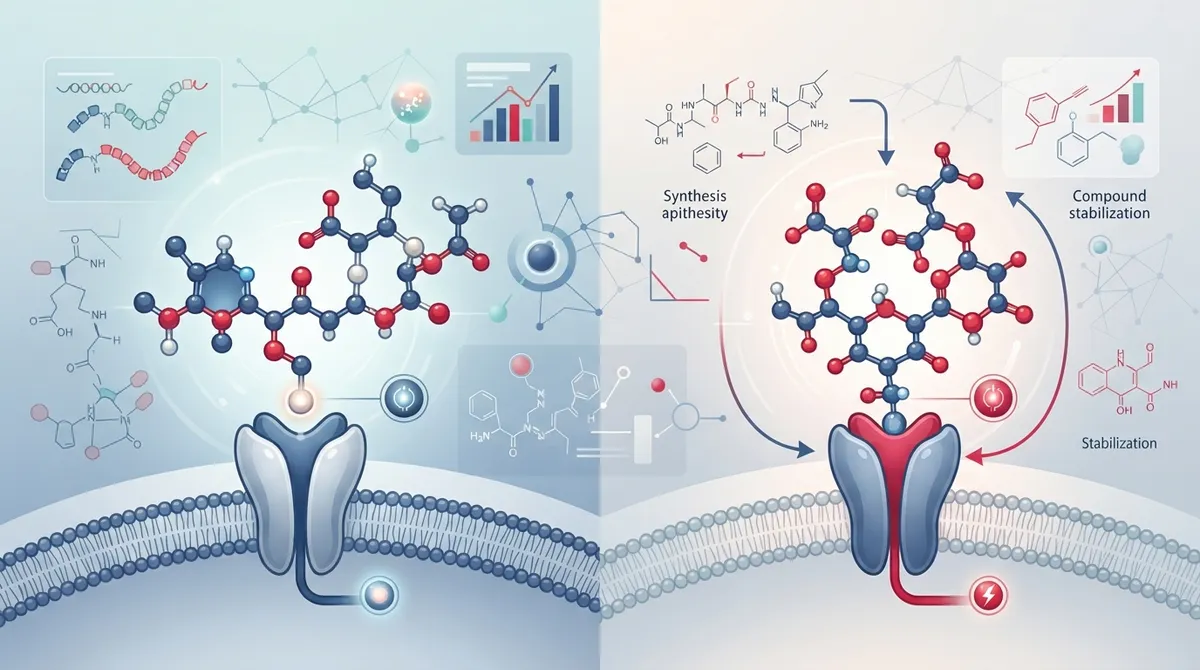
A kisspeptin agonist is a compound that activates the kisspeptin receptor, known as KISS1R or GPR54. This receptor sits in the hypothalamus, a part of the brain that controls hormone signals. When activated, it triggers the release of gonadotropin-releasing hormone, or GnRH.
GnRH then tells the pituitary gland to release two other hormones: luteinizing hormone (LH) and follicle-stimulating hormone (FSH). These two hormones drive reproductive function in both men and women. In simple terms, kisspeptin agonists act like a switch that turns on the body's natural reproductive hormone pathway.
2. The Main Types of Kisspeptin Compounds
Researchers have studied several forms of kisspeptin. Each one has different properties that affect how long it stays active in the body.
- Kisspeptin-10 (KP-10): A short-acting form used in early studies
- Kisspeptin-54 (KP-54): Has a longer half-life and crosses the blood-brain barrier more effectively
- TAK-448 (MVT-602): A synthetic KISS1R agonist tested in clinical trials
- TAK-683: Another synthetic compound studied for hormone signaling effects
Kisspeptin-54 has been used more often in human trials because it lasts longer in the body compared to kisspeptin-10. This makes it easier to study its effects over time.
3. How Kisspeptin Agonists Work in the Body
The process follows a clear chain of events. Understanding this chain helps explain why researchers are interested in kisspeptin for reproductive health.
- The agonist binds to KISS1R receptors in the hypothalamus
- This stimulates the release of GnRH
- GnRH travels to the pituitary gland
- The pituitary releases LH and FSH into the bloodstream
- These hormones act on the ovaries or testes to support reproductive function
This pathway is sometimes called the kisspeptin-GnRH axis. It plays a key role in puberty, ovulation, and overall reproductive health.
4. Potential Uses in Reproductive Health
Current research points to a few specific conditions where kisspeptin agonists might help. These are conditions managed by specialists, often in coordination with a primary care provider.
- Functional hypothalamic amenorrhea (missed periods linked to stress, low body weight, or over-exercise)
- Certain forms of hypogonadotropic hypogonadism (low reproductive hormone levels caused by signaling problems)
- Ovulation induction for people trying to conceive
- Assisted reproductive technology, including IVF support
- Research into disorders involving abnormal GnRH signaling
These uses remain investigational. This means they are still being studied in clinical trials and are not yet standard treatments offered in most clinics.
5. Kisspeptin as an IVF Trigger: What Research Shows
One of the most studied uses of kisspeptin is as a trigger for final egg maturation during IVF cycles. Traditionally, doctors use human chorionic gonadotropin (hCG) for this step. But hCG carries a risk of ovarian hyperstimulation syndrome, or OHSS, especially in patients with a high egg count.
In a notable phase 2 study, 60 women at high risk of OHSS received different doses of kisspeptin-54, ranging from about 3.2 to 12.8 nmol/kg, to trigger egg maturation. Because kisspeptin works through the body's natural hormone pathway, it may offer a gentler alternative that reduces OHSS risk. This is promising, but larger studies are still needed before it becomes a routine option.
6. Current Clinical Trial Status
|
Compound |
Trial Phase |
Primary Focus |
|---|---|---|
|
Kisspeptin-54 (KP-54) |
Phase 1-2 |
IVF trigger, OHSS risk reduction |
|
Kisspeptin-10 (KP-10) |
Phase 1 |
Hormone signaling, hypothalamic amenorrhea |
|
TAK-448 (MVT-602) |
Phase 2 |
LH response in premenopausal women |
|
TAK-683 |
Phase 1 |
Reproductive hormone signaling |
A 2024 study on MVT-602 tested the compound in healthy premenopausal women, both with and without ovarian stimulation. Results showed a longer-lasting LH response, but the studies did not lead to an approved clinical treatment. A registered study, NCT05971849, is currently looking at whether continuous kisspeptin infusion changes LH pulse patterns in people with polycystic ovary syndrome (PCOS).
7. FDA Approval Status: Important Facts to Know
This is one of the most important points for anyone researching kisspeptin agonists. No kisspeptin agonist is currently approved by the FDA for fertility treatment or hormone therapy. Kisspeptin-10 and kisspeptin-54 remain investigational compounds.
A 2025 review described kisspeptin therapies for infertility as experimental. The review noted that phase 1 and phase 2 research is still examining safety, correct dosing, and how well the treatment actually works. These protocols have not been added to routine infertility care based on current evidence.
This distinction matters. Direct-to-consumer marketing sometimes suggests these peptides are ready-to-use wellness tools. That claim does not match the current state of medical research.
8. Safety Profile: What Early Trials Show
Safety data from small human trials have been fairly reassuring so far. A 2022 review of clinical trials found no clear increase in nausea, heart rate changes, or blood pressure changes compared to placebo. No serious adverse events tied to kisspeptin or its related compounds were reported in the studies reviewed.
However, these are important limits to keep in mind:
- Studies have been small, often involving dozens of participants rather than thousands
- Trial periods have been short-term, not long-term
- Results do not confirm safety for unsupervised or long-term use
- Data on rare side effects may not yet be visible in small samples
Anyone considering peptide-based options should discuss safety data with a licensed medical provider rather than relying on unverified online sources.
9. Kisspeptin and General Wellness Claims: Separating Fact from Marketing
Kisspeptin agonists have started showing up in wellness marketing tied to metabolism, anti-aging, sexual health, and menopause support. It is important to know that evidence for these uses is much weaker than the reproductive-health research.
- Metabolic health claims: Limited human evidence exists
- Anti-aging claims: Not supported by strong clinical data
- Sexual health claims: Early and inconclusive research only
- Menopause support claims: Not established in peer-reviewed studies
Primary care clinicians recommend separating peer-reviewed research from marketing language used to sell unapproved peptide products online. If you are exploring hormone-related concerns, a conversation with a qualified provider is a safer starting point than a peptide seller's website.
10. Questions to Ask Before Considering Any Peptide Therapy
If you are researching kisspeptin agonists or any other investigational peptide, bring these questions to your next appointment:
- Is this treatment approved by the FDA for my specific condition?
- What does current peer-reviewed research say about safety and results?
- Are there established alternatives with stronger evidence?
- What are the known short-term and long-term risks?
- How is this different from compounded or online peptide products?
These questions help separate legitimate medical guidance from unsupervised online peptide sales. Compounded or direct-to-consumer peptide products often lack the same testing, purity standards, and oversight found in registered clinical trials.
11. Why a Trusted Primary Care Team Matters
Reproductive hormone concerns, unexplained fatigue, irregular cycles, and fertility questions deserve careful evaluation. A knowledgeable primary care provider can help you understand your lab results, order appropriate testing, and refer you to a reproductive specialist when needed.
At InCare, our team supports patients across Tampa and Riverview with services that go beyond a standard checkup. This includes DNA gene testing, body composition analysis, and comprehensive health risk assessments that give a fuller picture of your health. We also connect patients interested in emerging peptide science with accurate, evidence-based information rather than unverified marketing claims. Learn more about our approach on our peptide education resources.
How InCare Approaches Hormone and Fertility Concerns
Our providers, including those featured on our provider team page, take a whole-body approach to hormone health. Rather than jumping to unproven treatments, we start with thorough evaluation, lab work, and lifestyle review. This helps identify the true root cause of symptoms like irregular cycles or low energy.
Patients researching topics like kisspeptin and fertility often benefit from a broader wellness conversation. Conditions like thyroid imbalance, stress-related hormone disruption, or nutritional gaps can mimic fertility-related symptoms. A careful workup helps rule out simpler, well-supported explanations first.
|
Factor |
Kisspeptin Agonists |
Established Fertility Treatments |
|---|---|---|
|
FDA Approval |
Not approved |
Approved (e.g., hCG triggers) |
|
Research Stage |
Phase 1-2 trials |
Decades of clinical use |
|
OHSS Risk |
Possibly lower (early data) |
Known risk with hCG |
|
Availability |
Research settings only |
Widely available through specialists |
Staying Informed Through Reliable Channels
Following credible health sources helps you stay current on peptide research as it evolves. You can also follow InCare's updates and patient education content on Facebook, Instagram, and Tik Tok for accessible explanations of emerging wellness topics. These channels share information in plain language, helping patients separate hype from evidence.
Many patients also read reviews from InCare patients on Google before scheduling their first visit. Our 4.8-star rating reflects the personalized attention our Tampa and Riverview teams bring to every appointment, including conversations about complex topics like emerging peptide therapies.
Conclusion: Making Informed Decisions About Emerging Peptide Therapies
Kisspeptin agonists represent an exciting area of reproductive health research. They offer a possible new tool for conditions like hypothalamic amenorrhea and IVF support, with a generally reassuring early safety profile. But they remain investigational, not FDA-approved, and not part of routine primary care or fertility treatment today.
If you have questions about hormone health, fertility concerns, or want to understand how emerging peptide research might apply to your situation, our team is ready to help. Reach out to InCare today to schedule a consultation, or book your appointment online at our Tampa or Riverview location. Our providers will give you clear, evidence-based answers so you can make the best decision for your health.
FAQs
Q: What is a kisspeptin agonist and how does it work?
A: A kisspeptin agonist activates the KISS1R receptor in the hypothalamus, which stimulates GnRH release. This triggers the pituitary gland to release LH and FSH, hormones essential to reproductive function.
Q: Are kisspeptin agonists FDA approved for infertility or hormone treatment?
A: No, kisspeptin agonists are not currently FDA approved for infertility or hormone treatment. Kisspeptin-10 and kisspeptin-54 remain investigational compounds studied in phase 1 and phase 2 clinical trials.
Q: Can kisspeptin agonists help with hypothalamic amenorrhea?
A: Research suggests kisspeptin agonists may have potential for functional hypothalamic amenorrhea, since this condition involves disrupted GnRH signaling. However, treatment protocols are still investigational and not part of standard care.
Q: Could kisspeptin reduce the risk of ovarian hyperstimulation syndrome?
A: Early phase 2 research suggests kisspeptin-54 may lower OHSS risk compared to hCG triggers in IVF, particularly for patients at high risk. Larger studies are still needed to confirm this benefit.
Q: How is medical kisspeptin research different from compounded or online peptide products?
A: Medical research uses controlled dosing, monitored safety protocols, and peer-reviewed data collection in clinical trial settings. Compounded or online peptide products typically lack this oversight, testing, and quality assurance, making them a less reliable and potentially riskier option.