Key Takeaways
- TRT is FDA-approved and well-established with decades of clinical evidence, while kisspeptin remains investigational with only small early-phase trials and no proven long-term safety or effectiveness data.
- Kisspeptin stimulates natural testosterone production through the brain's GnRH pathway and may preserve fertility, whereas TRT directly supplies testosterone and can suppress sperm production—a critical difference for men planning pregnancy.
- Proper diagnosis requires repeat morning testosterone testing plus symptom review and screening for reversible causes like obesity, sleep apnea, and medications before starting any hormone therapy.
- Men taking TRT need regular monitoring including testosterone levels at 3-6 months and hematocrit checks at baseline, 3-6 months, then yearly to ensure safety and effectiveness.
Low testosterone symptoms send many men searching online for answers. Fatigue, low sex drive, and trouble building muscle are common complaints. Two names keep coming up in wellness circles: kisspeptin and testosterone replacement therapy (TRT). But these are very different treatments, and confusing them could delay proper care or lead to disappointing results. This guide breaks down the science, the evidence, and what actually matters when you talk to your doctor about hormone health.
At InCare, our providers in Tampa and Riverview see patients every week who want clear answers about hormone therapy. We believe informed patients make better health decisions. Here are 11 key facts to help you understand kisspeptin versus testosterone therapy before your next visit.
1. Kisspeptin and Testosterone Work at Different Points in Your Body
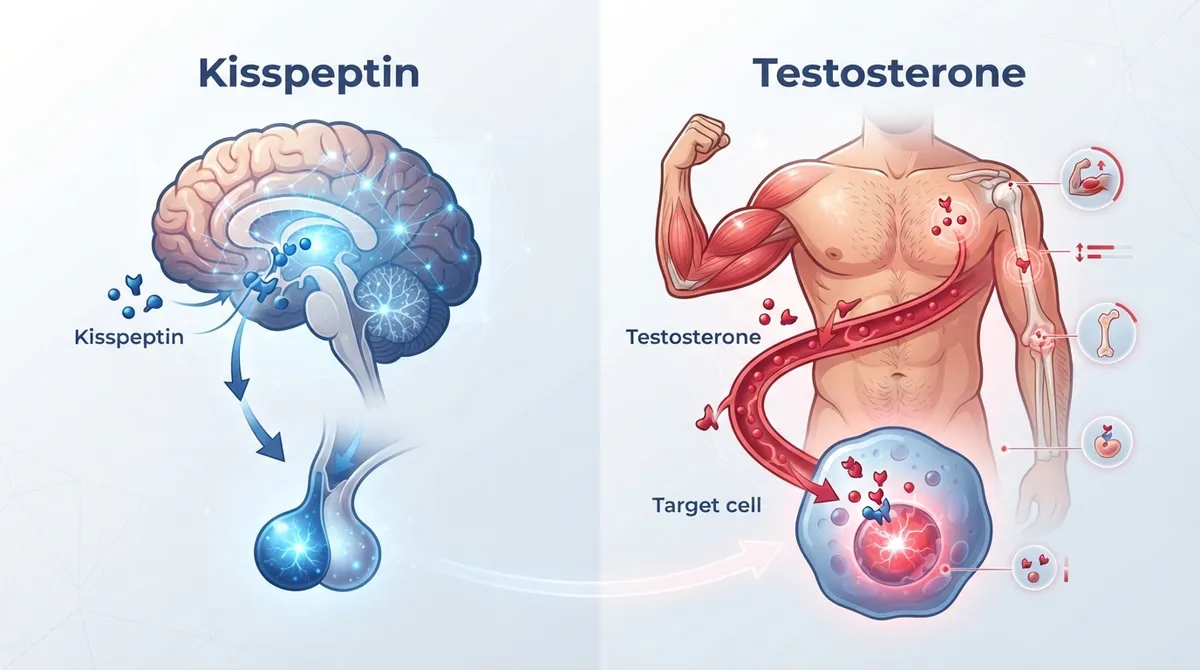
Kisspeptin is a natural hormone made in your brain. It signals another brain hormone called GnRH to turn on. GnRH then tells your pituitary gland to release LH and FSH, two hormones that travel to the testes and trigger testosterone production. Testosterone therapy skips all of this. It puts testosterone directly into your bloodstream, bypassing your brain's signaling system entirely.
Think of kisspeptin as flipping the first switch in a chain of dominoes. Testosterone therapy is like placing the last domino down by hand. Both can raise testosterone levels, but they do it in completely different ways.

2. Testosterone Replacement Therapy Is an Established Treatment
TRT has been used for decades. It is approved and well-studied for men who have consistently low testosterone along with symptoms like low energy, reduced muscle mass, or low libido. The Endocrine Society has clear clinical guidelines for diagnosing and treating this condition.
If you are considering hormone therapy, our team offers testosterone replacement therapy with proper testing and monitoring. This is not a guessing game. It requires blood work, a physical exam, and ongoing follow-up.
3. Kisspeptin Remains an Investigational Therapy
Unlike TRT, kisspeptin is not FDA-approved for treating low testosterone, infertility, or erectile dysfunction. It is still being studied in small clinical trials. A 2024 review found several early-phase studies with limited participants, some involving as few as 24 to 128 people.
This matters because compounded or online kisspeptin products are not the same as an approved medical treatment. Patients should be cautious about any clinic or website promising guaranteed results from this peptide.
4. Fertility Effects Are the Biggest Difference Between the Two
This is where the two treatments truly diverge. Exogenous testosterone (the kind given in TRT) suppresses your brain's natural signals for sperm production. Over time, this can lower LH, FSH, and sperm counts significantly.
Kisspeptin, on the other hand, works by stimulating your body's own GnRH pathway. Researchers believe this could preserve fertility better than direct testosterone replacement, though this benefit has not yet been proven in routine clinical practice.
Why This Matters for Family Planning
Men who want to have children soon should discuss this carefully with their doctor. Starting TRT while planning a pregnancy could reduce fertility temporarily. Our providers routinely discuss these tradeoffs during TRT consultations for men over 40 and younger patients alike.
5. Diagnosis Requires More Than Just One Blood Test
The Endocrine Society recommends diagnosing low testosterone only when symptoms match consistently low morning testosterone levels. This means repeat testing, not just a single lab draw. Many factors can temporarily lower testosterone, including poor sleep, stress, obesity, and certain medications.
Here is a simple sequence your primary care doctor may follow:
- Review your symptoms and medical history
- Order a morning testosterone blood test
- Repeat the test to confirm low levels
- Check for other causes like thyroid problems or pituitary issues
- Discuss treatment options based on your goals, including fertility plans
This step-by-step approach helps avoid unnecessary treatment and identifies reversible causes first.
6. Who Should Avoid Testosterone Replacement Therapy
TRT is not right for everyone. Men planning fertility within the next 6 to 12 months are generally advised to avoid starting testosterone therapy. Instead, specialists may recommend other options like gonadotropin injections that support natural sperm production.
Men over 65 with low testosterone should also have an individualized conversation with their doctor. The Endocrine Society does not recommend routine TRT for all older men, even those with low levels, without weighing personal risks and benefits.
7. Monitoring Is Required During Testosterone Therapy
Once someone starts TRT, regular checkups are essential. Guidelines recommend checking testosterone levels 3 to 6 months after starting treatment. Hematocrit, a measure of red blood cell concentration, should be checked at baseline, then again at 3 to 6 months, and yearly after that.
|
Monitoring Item |
Timing |
Purpose |
|---|---|---|
|
Testosterone level |
3–6 months after starting |
Confirm therapeutic range |
|
Hematocrit |
Baseline, 3–6 months, then yearly |
Watch for thickened blood |
|
Prostate health check |
As recommended by provider |
Screen for changes |
|
Symptom review |
Every visit |
Confirm treatment is helping |
This kind of consistent follow-up is part of what makes testosterone replacement therapy at InCare safe and effective for our patients.
8. Early Kisspeptin Research Shows Some Promise
A 2025 early-phase study found that intranasal kisspeptin raised gonadotropins in a dose-related way. At the highest dose tested, testosterone rose by about 4.9 nmol/L above baseline within 150 minutes. This is a short-term finding, not proof of long-term safety or effectiveness.
In 2024, the FDA's Pharmacy Compounding Advisory Committee even reviewed kisspeptin-10 for possible use in specific situations, like preserving sperm production during testosterone therapy. Being reviewed by this committee does not mean the treatment is approved or proven to work.
9. A Full Workup Should Rule Out Reversible Causes First
Before jumping to hormone therapy, primary care doctors should look for reversible reasons behind low testosterone symptoms. These include:
- Obesity and excess body fat
- Untreated sleep apnea
- Chronic alcohol or substance use
- Certain prescription medications
- Pituitary gland disorders
- Previous anabolic steroid use
Addressing these factors first can sometimes restore healthy testosterone levels without medication. This is why a thorough primary care evaluation matters so much before starting any hormone treatment.
10. Side Effects and Risks Differ Between the Two Approaches
TRT carries known risks, including changes in red blood cell counts, potential prostate concerns, and fertility suppression. These risks are manageable with proper monitoring, which is why ongoing care with a trusted provider is so important.
Kisspeptin's side effect profile is less understood because research is still limited. Since it is not FDA-approved for these uses, long-term safety data simply does not exist yet. Patients should treat any kisspeptin product marketed for testosterone support with healthy skepticism.
Comparing the Two Treatments at a Glance
|
Factor |
Testosterone Therapy (TRT) |
Kisspeptin |
|---|---|---|
|
FDA Approval |
Yes, for diagnosed hypogonadism |
No, investigational only |
|
Mechanism |
Direct hormone replacement |
Stimulates natural GnRH signaling |
|
Fertility Impact |
Can suppress sperm production |
May preserve fertility (unproven) |
|
Clinical Evidence |
Decades of research |
Small early-phase trials only |
|
Monitoring Needed |
Yes, regular labs required |
Not standardized in clinical care |
11. Working With a Primary Care Team Makes the Difference
Hormone health is complicated. The right treatment depends on your symptoms, your lab results, your fertility plans, and your overall health picture. A knowledgeable primary care provider can help you sort through the options and avoid unproven treatments that promise quick fixes.
At InCare, our physicians, including those featured on our providers page, take time to review your full health history before recommending any hormone therapy. We also offer supportive services like DNA gene testing and body composition analysis to give a fuller picture of your metabolic health.
Frequently Asked Questions About Hormone Health
Many patients want quick answers before their appointment. Below are common questions we hear at our Tampa and Riverview locations.
Making the Right Choice for Your Health
Choosing between kisspeptin and testosterone therapy is not a simple decision. TRT remains the proven, well-monitored option for men with diagnosed low testosterone. Kisspeptin is an exciting area of research, but it is not yet ready for routine use outside of clinical trials.
The safest path forward is a proper evaluation with a doctor who understands both the science and your personal health goals. Men considering fertility in the near future need especially careful guidance, since testosterone therapy can affect sperm production while kisspeptin research continues to develop.
If you are dealing with symptoms of low testosterone, do not guess or self-treat. Reach out to our team to schedule a full evaluation, or book your appointment online today to get started with proper testing and a personalized plan. You can also follow our latest health tips on Facebook, Instagram, and TikTok, or read what our patients say by visiting our InCare profile on Google.
FAQs
Q: What is the difference between kisspeptin and testosterone replacement therapy?
A: Kisspeptin stimulates your brain's natural hormone pathway to boost testosterone production internally. Testosterone replacement therapy directly supplies testosterone from an outside source. TRT is FDA-approved and well-established, while kisspeptin remains investigational.
Q: Can kisspeptin increase testosterone naturally?
A: Early research shows kisspeptin can raise gonadotropins and testosterone levels within hours in small trials. However, this effect has only been studied short-term in limited groups of participants. It is not yet proven as a reliable, long-term treatment.
Q: Is kisspeptin FDA-approved for low testosterone or infertility?
A: No, kisspeptin is not FDA-approved for treating low testosterone, infertility, or erectile dysfunction. It remains an investigational compound studied mainly in small clinical trials. Compounded versions sold online should not be treated as equivalent to approved therapies.
Q: Does testosterone replacement therapy reduce sperm count?
A: Yes, exogenous testosterone can suppress LH and FSH, which lowers sperm production over time. This is why doctors generally avoid starting TRT in men planning fertility within the next 6 to 12 months. Alternative treatments may be recommended instead.
Q: What tests are needed before starting testosterone therapy?
A: Doctors typically require a morning testosterone blood test, repeated to confirm consistently low levels. A physical exam and symptom review are also necessary. Additional testing may screen for other causes like thyroid or pituitary issues before treatment begins.