Key Takeaways
- InCare evaluates patients and issues physician recommendations but does not sell cannabis; Florida products come only from licensed Medical Marijuana Treatment Centers.
- Your first Florida medical cannabis evaluation must be in person; renewals may be done by telehealth but must occur at least every 30 weeks.
- An evaluation is not automatic approval: a physician must confirm a qualifying condition and that likely benefits outweigh risks before certifying you in the state registry.
- The Tampa clinic is at 1213 N Franklin St, Tampa, FL 33602 (813-553-3330); bring photo ID, proof of Florida residency, medical records, and a medication list.
Florida's medical cannabis program has grown quickly. As of January 16, 2026, the state had 931,959 patients with active registry identification cards, according to a Florida Senate bill analysis. Many of those patients began with one simple question: where do I start? For people in Tampa, InCare medical cannabis Tampa is a physician-led evaluation service inside a full primary care and wellness clinic.
This guide covers 11 facts every patient should know before booking. You will learn what InCare does and does not provide, how Florida's eligibility rules work, and what to expect from the evaluation. It also explains how the state registry card fits into the process. Whether you are a busy parent, a young professional, or someone focused on proactive wellness, these facts will help you plan your next step with confidence.
1. InCare Provides Evaluations, Not Cannabis Products
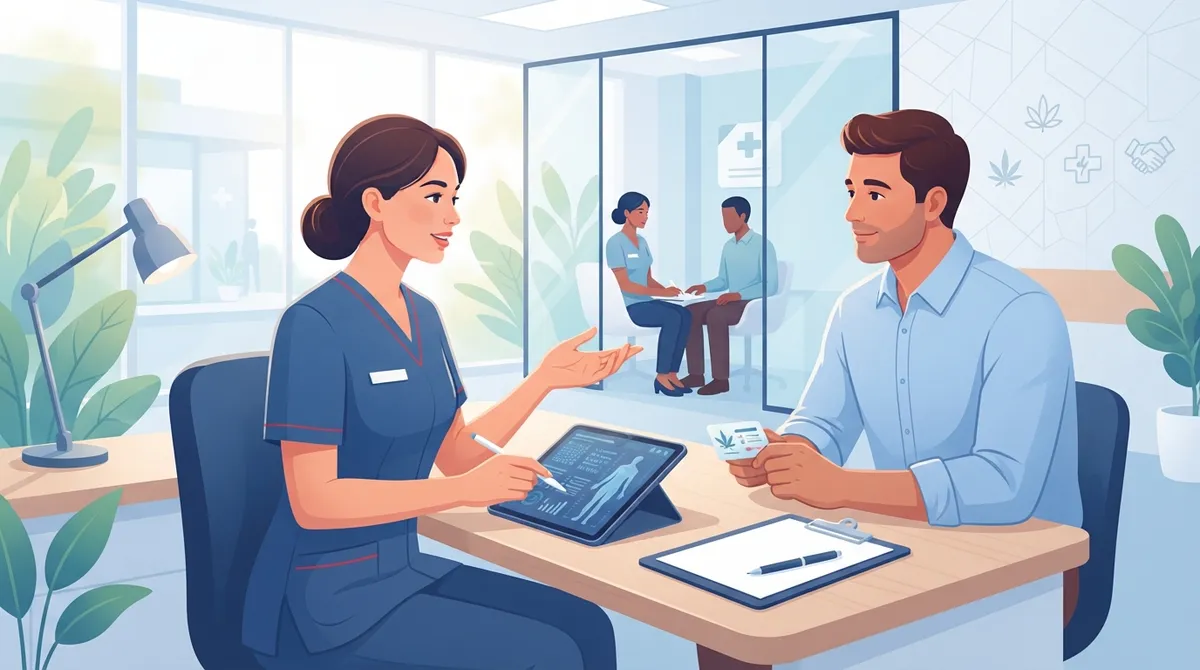
The first fact is the most important. InCare evaluates patients and provides physician recommendations. The clinic does not sell or dispense cannabis products. Florida-regulated products come only from licensed Medical Marijuana Treatment Centers.
This separation protects patients. Your clinician focuses on your health history, symptoms, and goals. The licensed treatment center handles the products. You can learn more about the clinic's approach in this guide to medical cannabis and natural relief at InCare.

2. The Tampa Clinic Is Located Downtown
InCare's Tampa clinic is at 1213 N Franklin St, Tampa, FL 33602. The clinic's phone number is 813-553-3330. The location page lists weekday hours of 8 a.m. to 5 p.m. Always confirm current hours and appointment availability with the clinic before you go.
You can review all service areas on the InCare locations page. If you want to see what other patients say, you can visit our InCare location on Google and read reviews.
3. You Receive Care From a Full Primary Care Practice
InCare is not a stand-alone cannabis office. It is a personalized healthcare clinic that combines modern technology with medical expertise. Tampa services include primary care, urgent care, preventive services, wellness care, and medical cannabis evaluations.
That matters because cannabis is not a replacement for routine care. A clinic that also offers primary care can look at the full picture. Your doctor can review medications, chronic conditions, and screening needs in one place.
4. An Evaluation Is Not a Guarantee of Certification
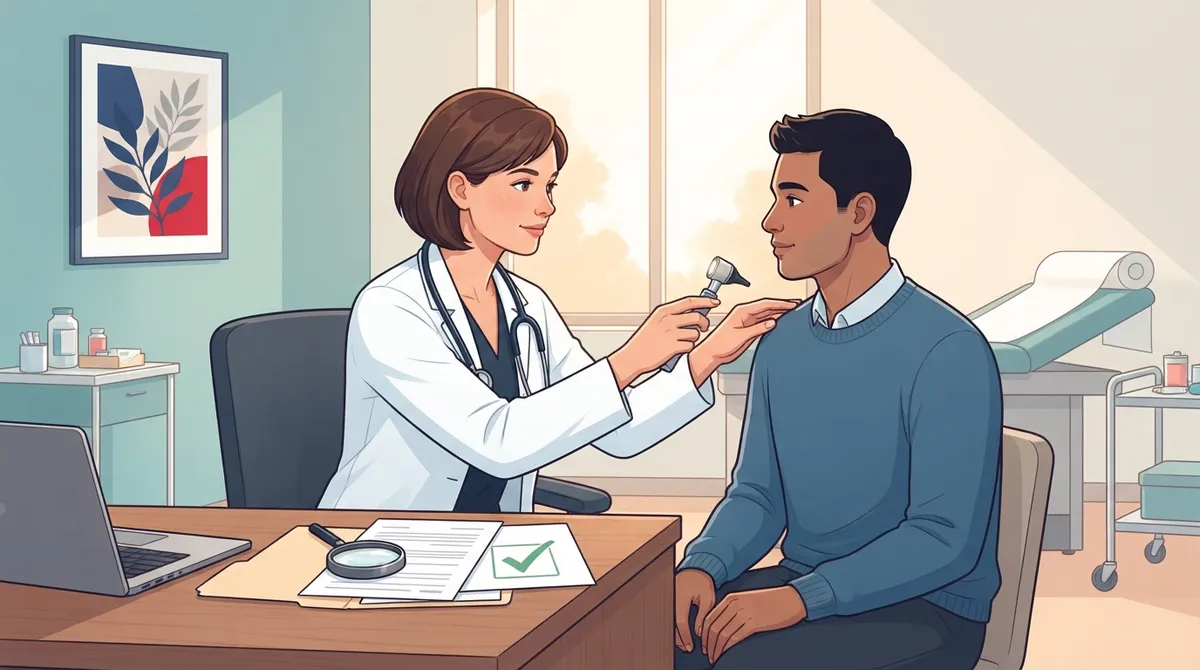
A medical cannabis evaluation is a clinical assessment. It is not an automatic approval. A qualified physician must decide two things:
- You have a qualifying condition under Florida law.
- The likely benefits outweigh the health risks for you.
If both conditions are met, the physician enters a certification in the state registry. If not, the physician will explain why and discuss other options. This honest approach is a sign of quality care.
5. Florida Law Lists Specific Qualifying Conditions
Florida's statute names several qualifying conditions. The table below summarizes the main ones.
|
Category |
Examples of Qualifying Conditions |
|---|---|
|
Cancer and blood-related |
Cancer |
|
Neurological |
Epilepsy, ALS, Parkinson's disease, multiple sclerosis |
|
Eye |
Glaucoma |
|
Immune and infectious |
HIV/AIDS |
|
Digestive |
Crohn's disease |
|
Mental health |
Post-traumatic stress disorder (PTSD) |
The law also allows certification for conditions of the same kind or class as those listed, or for comparable symptoms. A qualified physician makes that determination. Chronic pain tied to a qualifying condition is one common example discussed with patients. For more detail, see InCare's article on medical cannabis for chronic pain.
6. Your First Visit Must Be In Person
Florida requires an in-person physical examination for an initial physician certification. This rule surprises some patients who expect a fully virtual process. Plan to visit the Tampa clinic for your first appointment.
A 2026 legislative analysis notes that renewal examinations may be conducted by telehealth. That can save time later, especially for busy families and professionals.
7. The Physician Certification and the Registry Card Are Separate Steps
Many patients confuse these two steps. Here is the order, in plain terms:
- You attend an in-person evaluation with a qualified physician.
- If you qualify, the physician enters a certification in the state's Medical Marijuana Use Registry.
- You apply for your identification card through Florida's Office of Medical Marijuana Use.
- Once approved, you can purchase regulated products from a licensed treatment center.
According to the Florida Senate analysis, the Office of Medical Marijuana Use processes complete applications within five business days. An incomplete application can slow things down, so double-check your details.
8. Renewals Follow a Regular Schedule
Medical cannabis certification is not permanent. Patients must be evaluated at least once every 30 weeks before a renewal certification. Mark this date on your calendar so your card does not lapse.
If you already have a card, you can read InCare's steps on how to renew a medical marijuana card in Tampa. Staying on schedule helps you avoid gaps in access.
9. Preparation Makes the Visit Smoother
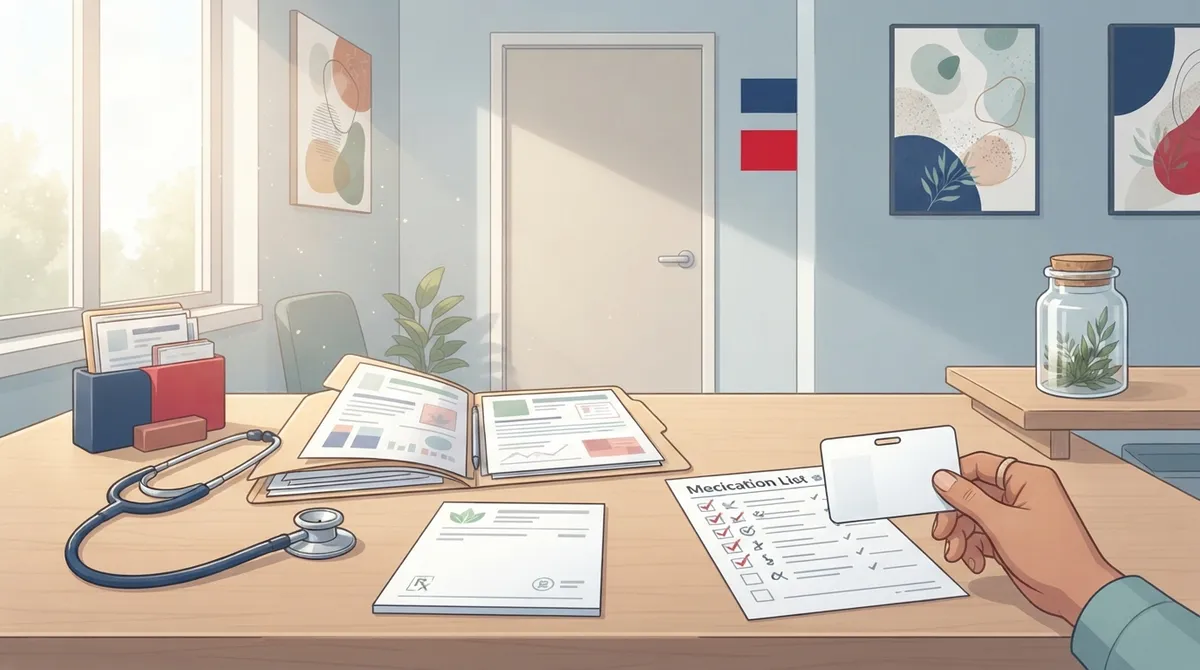
A little preparation goes a long way. Bring the items below to your appointment:
- A valid government-issued photo ID
- Proof of Florida residency
- Medical records or diagnosis documentation related to your condition
- A list of current medications and supplements
- Questions about risks, side effects, and treatment goals
InCare offers a detailed checklist in its guide on what to bring to a medical cannabis visit. Good records help your physician make a well-informed decision.
10. The Patient Population Is Large and Diverse
Florida's program is not a niche. A Florida Department of Health report cited 924,326 qualified patients with certifications in one reporting period and 963,076 in the next, a reported 4% increase. Check the report itself for exact period definitions.
A 2026 study using registry data reported 779,673 qualifying patients in 2025 before exclusions. In the analyzed cohort of 771,180 patients, the median age was 46. About 44.38% were female and 55.62% were male. The most prevalent qualifying conditions were PTSD, chronic pain, and multiple sclerosis. Those figures are study-specific rates per 100,000 certified patients, not percentages of all Florida residents.
|
Condition |
Rate per 100,000 Certified Patients (2025 Study) |
|---|---|
|
PTSD |
81,519 |
|
Chronic pain |
24,081 |
|
Multiple sclerosis |
12,938 |
11. Cannabis Should Fit Into a Whole-Body Wellness Plan
Medical cannabis is one tool, not a complete health plan. The best outcomes come from coordinated care. That is where InCare stands apart. The clinic focuses on prevention and whole-body optimization, so your cannabis evaluation sits alongside other services.
Depending on your goals, your care team can also discuss:
- Cancer screening for early detection
- Medical weight loss programs backed by advanced technology
- DNA gene testing for personalized health insights
- IV hydration and vitamin drips for energy and recovery
This integrated model suits tech-savvy professionals, wellness-focused adults, and busy families who want one trusted clinic instead of many separate offices. It also supports women who want comprehensive care beyond reproductive health visits. You can also follow clinic updates on Instagram for wellness tips and announcements.
How to Decide if an Evaluation Is Right for You
Ask yourself a few honest questions before booking. Do you have a diagnosed condition that may qualify? Have you discussed your symptoms and current treatments with a clinician? Are you comfortable reviewing risks and benefits with a physician? If the answer is yes, an evaluation is a reasonable next step.
Remember that no responsible clinic can promise approval. The physician's job is to protect your health first. InCare's team includes experienced providers you can learn about on the providers page, and the clinic's story is on the about us page.
Take the Next Step With InCare
Medical cannabis is a serious healthcare decision, and it deserves a serious clinical setting. InCare brings together physician expertise, modern technology, and a prevention-first mindset at its Tampa clinic. You get honest guidance, clear steps, and a team that looks at your whole health.
Ready to talk with a physician? Book your evaluation appointment now or contact the InCare team with questions about eligibility, timing, and what to bring.
FAQs
Q: Where is InCare Medical Cannabis located in Tampa?
A: InCare's Tampa clinic is at 1213 N Franklin St, Tampa, FL 33602. You can reach the clinic at 813-553-3330. Confirm current hours and appointment availability with the clinic before your visit.
Q: Does InCare sell or dispense medical cannabis products?
A: No. InCare provides physician evaluations and recommendations only. Florida-regulated products must be purchased from licensed Medical Marijuana Treatment Centers.
Q: Do I need an in-person appointment for my first Florida medical cannabis certification?
A: Yes. Florida requires an in-person physical examination for an initial physician certification. Renewal examinations may be conducted by telehealth, and patients must be evaluated at least once every 30 weeks before a renewal certification.
Q: How do I get a Florida medical marijuana identification card after my evaluation?
A: After a qualified physician enters your certification in the state registry, you apply for your card through Florida's Office of Medical Marijuana Use. According to a Florida Senate analysis, the office processes complete applications within five business days.
Q: Which conditions qualify for medical marijuana in Florida?
A: Statutory conditions include cancer, epilepsy, glaucoma, HIV/AIDS, PTSD, ALS, Crohn's disease, Parkinson's disease, and multiple sclerosis. The law also allows certification for conditions of the same kind or class, or comparable symptoms, as determined by a qualified physician.