
Key Takeaways
- Tesamorelin (Egrifta) is FDA-approved only for reducing excess abdominal fat in adults with HIV-associated lipodystrophy; using it for visceral fat in others is off-label.
- Trial reductions in visceral fat (about 17.5% at 52 weeks) came from HIV lipodystrophy patients and should not be assumed to apply to people without that condition.
- Tesamorelin is labeled weight-neutral, so visceral fat may shrink while body weight barely changes; set expectations accordingly.
- Before any injection, get a medical evaluation of root causes plus baseline labs like A1C, lipids, thyroid tests, and body composition, then ask whether the use is on-label or off-label.
Belly fat that refuses to budge is one of the most common frustrations in adult health. Deep abdominal fat, known as visceral fat, wraps around the organs and is linked to higher metabolic risk. It is no surprise that many Tampa residents search for tesamorelin for visceral fat in Tampa, hoping a single injection can solve the problem.
The reality is more nuanced. Tesamorelin is a real, FDA-approved prescription medicine, but its approval is narrow. Many patients, and some marketing materials, blur the line between what the drug is approved to do and what people hope it will do. Those misunderstandings lead to wasted money, unrealistic expectations, and avoidable health risks.
This guide walks through ten common mistakes. Each one comes with clear, evidence-based information so you can make a safer decision in 2026. At InCare, our approach starts with understanding why you carry abdominal fat in the first place, then building a plan around your health history, labs, and goals.
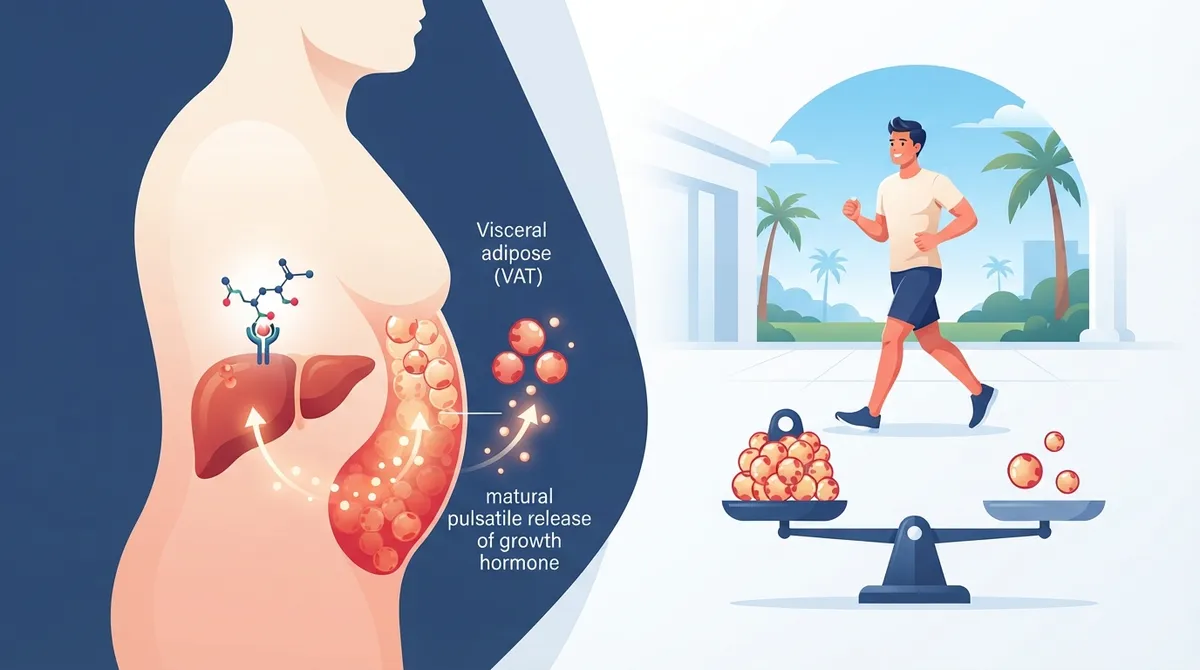
What Tesamorelin Is and What It Is Approved For
Tesamorelin (brand name Egrifta) is a prescription growth hormone-releasing factor analog. It signals the body to release its own growth hormone, and it is given by subcutaneous injection.
The FDA-approved use is specific: reducing excess abdominal fat in adults with HIV-associated lipodystrophy. It is not approved for general obesity, routine weight loss, or visceral fat reduction in people without that condition. Any use outside that indication is off-label.
The label also describes tesamorelin as weight-neutral. Its goal is to shrink visceral abdominal fat, not necessarily to lower the number on the scale.
|
Question |
What the Evidence Says |
|---|---|
|
FDA-approved use |
Excess abdominal fat in adults with HIV-associated lipodystrophy |
|
Approved for general weight loss? |
No |
|
Approved for visceral fat in people without HIV lipodystrophy? |
No (this would be off-label) |
|
Effect on body weight |
Weight-neutral per the FDA label |
|
How it is given |
Subcutaneous injection |

Mistake 1: Assuming It Is Approved for Everyone With Belly Fat
The most common error is believing tesamorelin is a general visceral fat treatment. It is not. The approved population is adults with HIV-associated lipodystrophy.
If you do not have that diagnosis, a prescriber who offers tesamorelin is working off-label. Off-label prescribing is legal and sometimes appropriate, but it should be a transparent conversation. You should hear plainly that the evidence in your situation is limited.
Mistake 2: Applying Study Results to the Wrong Population
The headline numbers come from studies in adults with HIV-associated lipodystrophy. In those trials, visceral adipose tissue was measured by CT at the L4 to L5 level. Visceral fat fell about 13.1% from baseline at 26 weeks, which was a 15.4% reduction compared with placebo. By 52 weeks, the reduction reached about 17.5% from baseline.
These are meaningful results for that group. They should not be assumed to apply to people without HIV-associated lipodystrophy. Different hormones, medications, and fat distribution patterns can change how the body responds.
Mistake 3: Expecting Tesamorelin to Cause Weight Loss
Many patients expect the scale to drop quickly. Tesamorelin is labeled as weight-neutral, so that expectation is often wrong.
Visceral fat can shrink while total body weight stays about the same. If your goal is overall weight reduction, other medically supervised options may fit better. Our weight loss program uses clinical assessment and technology to match you with an appropriate plan, and our guide on what makes medical weight loss different from dieting explains the difference.
Mistake 4: Skipping a Medical Evaluation of the Real Cause
Abdominal fat has many drivers. These include insulin resistance, thyroid problems, sleep apnea, high stress, hormone changes, medications, and genetics. Starting an injection without finding the cause treats the symptom and ignores the source.
A proper evaluation should cover:
- Medical history and current medications
- Blood pressure, fasting glucose, and A1C
- Lipid panel and liver function
- Thyroid and hormone testing where appropriate
- Body composition measurement, not just weight
Tools like body composition analysis help separate visceral fat from muscle and subcutaneous fat. Many patients are surprised by what these scans reveal.
Mistake 5: Ignoring the Safety Considerations
Tesamorelin is not a casual supplement. It carries real safety considerations that need medical oversight.
- Blood sugar: It can raise glucose and increase diabetes risk.
- Fluid retention: Swelling and related symptoms can occur.
- Joint and muscle symptoms: Aches and stiffness are reported.
- Allergic reactions: These are possible and need prompt attention.
- Long-term cardiovascular safety: The FDA label states this has not been established.
Anyone considering it should have baseline labs and a plan for follow-up monitoring.
Mistake 6: Not Knowing Who Should Avoid It
Tesamorelin is contraindicated in several situations. It should not be used during pregnancy, with active malignancy, or when the hypothalamic-pituitary axis is disrupted.
Because it stimulates growth hormone release, a clinician must carefully review your cancer history and related conditions. If a provider does not ask detailed questions about your history, treat that as a red flag.
Mistake 7: Copying a Dose From the Internet
Forum posts and social media often share dosing numbers as if they apply to everyone. They do not.
The Egrifta SV label specifies 1.4 mg injected subcutaneously once daily for that specific formulation. Other tesamorelin products have different instructions. Dosing must follow the exact product label and your prescriber's directions, never a number you saw online.
Mistake 8: Treating Local Availability as Proof of Approval
Just because a Tampa clinic offers a treatment does not mean the FDA approved it for your situation. Marketing language can make off-label use sound routine or proven.
Ask these questions before you commit:
- Which exact product are you prescribing?
- Is my use on-label or off-label?
- What evidence supports this for someone like me?
- What labs will you order before and during treatment?
- What happens if I develop side effects?
A trustworthy clinician answers all five directly and without pressure.
Mistake 9: Leaving Out Lifestyle and Metabolic Fundamentals
No injection replaces the basics. Visceral fat responds well to sleep, strength training, protein intake, stress management, and blood sugar control. These habits also protect the results of any medical treatment.
Testing can make these changes more precise. Metabolic breath analysis measures how your body uses energy, which helps set realistic calorie and activity targets. For patients who want to understand inherited tendencies, DNA gene testing can add useful context.
Mistake 10: Choosing a Provider Without Checking Qualifications
Peptide and wellness marketing has grown quickly, and quality varies. Before starting any prescription therapy, verify who is treating you.
- Confirm the prescriber holds an active Florida medical license.
- Ask whether they use FDA-approved products and where they are sourced.
- Look for continuity of care, including follow-up labs and visits.
- Be cautious of guaranteed results or pressure to start the same day.
You can review our physicians on the providers page, including Naveen Paddu, MD. For a broader look at peptide options, see our resource on peptide therapy in Tampa and our article Is Tesamorelin Right for Reducing Belly Fat?.
What a Safer Path Looks Like in Tampa
A careful approach to visceral fat follows a logical order. First comes assessment, then diagnosis, then treatment matched to evidence.
- Baseline testing: Labs, blood pressure, and body composition.
- Root-cause review: Check for insulin resistance, thyroid issues, sleep problems, and hormone changes.
- Evidence-based options: Discuss approved therapies and lifestyle changes first.
- Informed consent on any off-label use: Understand the limits of the evidence.
- Monitoring: Repeat labs and measurements to confirm the plan is working safely.
This is the philosophy behind InCare's primary care model. We combine primary care with advanced wellness tools so decisions are based on your data, not trends. For patients in Riverview or Tampa, our locations make follow-up convenient, and you can hear from real patients on our testimonials page or through InCare reviews on Google.
Who Tends to Benefit From This Conversation
Several groups ask about visceral fat treatments, and each has different needs:
- Busy professionals and parents: Need efficient, evidence-based plans that fit tight schedules.
- Wellness-focused adults: Want data-driven optimization rather than guesswork.
- Younger adults: Often benefit most from prevention and foundational habits.
- Women and men with changing hormones: May need a broader look at hormonal drivers of belly fat.
You can also follow our health tips on Instagram and Facebook, or watch short wellness videos on TikTok.
Take the Next Step With Confidence
Tesamorelin is a legitimate medicine with strong data in a specific population. For everyone else, the smartest first move is a thorough evaluation, not an injection. Knowing whether a treatment is on-label or off-label, understanding the risks, and monitoring your labs protects both your health and your investment.
If you want a clear, honest plan for stubborn abdominal fat, book your visit with InCare today. If you have questions first, contact our team and we will help you find the right starting point in Tampa or Riverview.
FAQs
Q: Is tesamorelin FDA-approved for visceral fat loss in people without HIV?
A: No. The FDA-approved indication is reducing excess abdominal fat in adults with HIV-associated lipodystrophy. Using it for visceral fat in people without that condition is off-label and should involve a clear discussion of the limited evidence.
Q: How much visceral fat can tesamorelin reduce, and how long does it take?
A: In studies of adults with HIV-associated lipodystrophy, visceral fat fell about 13.1% from baseline at 26 weeks and about 17.5% at 52 weeks. These results should not be assumed to apply to people without that condition.
Q: Does tesamorelin cause weight loss?
A: Not necessarily. The FDA label describes tesamorelin as weight-neutral, meaning it targets visceral abdominal fat rather than reducing total body weight. Your scale may change very little even if visceral fat decreases.
Q: What are the main risks of tesamorelin?
A: Key concerns include higher blood glucose or diabetes risk, fluid retention, joint or muscle symptoms, and possible allergic reactions. It is contraindicated in pregnancy, active malignancy, and disruption of the hypothalamic-pituitary axis, so medical supervision and lab monitoring are important.
Q: How do I find a qualified clinician in Tampa to discuss visceral fat treatment?
A: Verify an active Florida medical license, ask whether the product is FDA-approved, and confirm whether your use is on-label or off-label. Choose a practice that orders baseline labs, reviews your full history, and provides follow-up monitoring.