Key Takeaways
- Retatrutide achieved average weight loss of 28.3% (approximately 70.3 lbs) at the highest 12 mg dose over 80 weeks in TRIUMPH-1, with 45.3% of high-dose patients losing 30% or more—comparable to bariatric surgery results.
- The drug targets three hormone pathways (GLP-1, GIP, glucagon) simultaneously, producing stronger results than single-target medications, but remains unapproved and lacks long-term safety data compared to established treatments.
- In TRIUMPH-2, type 2 diabetes patients achieved 20.8% weight loss plus 1.6% A1C reduction at the highest dose, offering dual metabolic benefits for patients managing both conditions simultaneously.
- Patients should avoid unauthorized online retatrutide products due to lack of FDA oversight and quality control; approved weight-loss medications and supervised medical programs remain safer current alternatives.
Weight-loss drug news moves fast, and few headlines have grabbed as much attention as retatrutide's recent Phase 3 trial numbers. If you have been searching for clear, honest answers about what these results actually mean for your health, you are not alone. Many patients at InCare in Tampa and Riverview ask about this experimental medicine during weight loss consultations and annual wellness visits.
This article breaks down the real numbers from retatrutide's Phase 3 TRIUMPH trials in plain language. We will cover what the data shows, who might benefit, and why working with a primary care team matters more than ever when new treatments make headlines. Whether you are a busy parent trying to manage your weight, a health-conscious professional exploring new options, or someone who has struggled with weight loss for years, this guide will help you understand the facts before you make any decisions.
1. What Is Retatrutide and Why Is It Making News
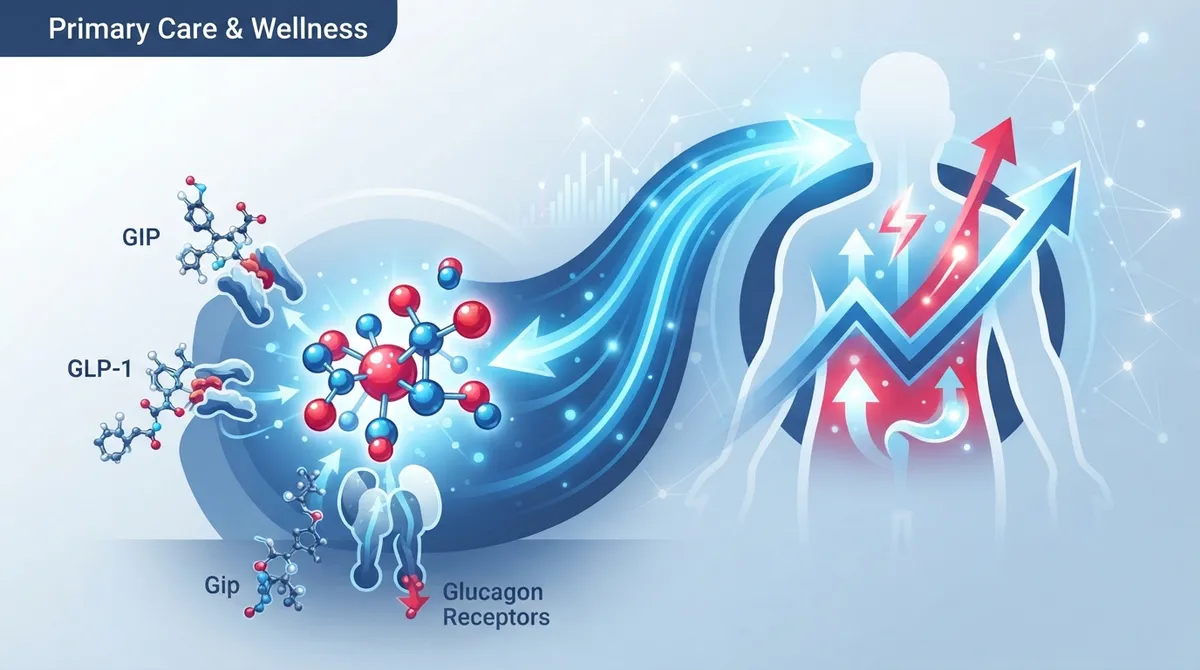
Retatrutide, known by its research name LY3437943, is an experimental weekly injection made by Eli Lilly. It is not yet approved by the FDA for regular use. This medicine works differently than older weight-loss drugs because it targets three hormone pathways at once: GLP-1, GIP, and glucagon.
These three pathways all play a role in hunger, blood sugar, and how your body burns fat. By hitting all three targets, researchers hoped retatrutide could produce stronger results than single-target medicines. Early data suggests they may be right, but it is still an investigational drug.
At InCare's weight loss programs, our providers stay current on emerging treatments so patients get accurate, up-to-date guidance. Understanding the difference between trial data and approved treatment options is a key part of smart healthcare decisions.

2. The TRIUMPH-1 Trial: Headline Weight Loss Numbers
The largest and most talked-about study is called TRIUMPH-1. It included 2,339 adults with obesity or overweight, plus at least one weight-related health issue. None of these participants had type 2 diabetes.
Over 80 weeks, researchers tracked weight loss at three different doses: 4 mg, 9 mg, and 12 mg, compared with a placebo group. Here is what they found:
|
Dose |
Average Weight Loss (80 weeks) |
Approximate Pounds Lost |
|---|---|---|
|
Placebo |
2.2% |
Minimal |
|
4 mg |
19.0% |
Varies by starting weight |
|
9 mg |
25.9% |
Varies by starting weight |
|
12 mg |
28.3% |
Approximately 70.3 lbs |
These numbers come from what researchers call the "efficacy estimand," which measures results assuming people stayed on treatment as planned. A more conservative analysis, which accounts for people who stopped treatment early, showed slightly lower numbers: about 17.6%, 23.7%, and 25.0% for the three doses.
3. Nearly Half of High-Dose Patients Lost 30% or More
One of the most striking findings from TRIUMPH-1 involves patients on the highest dose. Among those taking 12 mg of retatrutide, 45.3% lost at least 30% of their body weight by week 80.
This level of weight loss is similar to what many patients achieve through bariatric surgery. That comparison has fueled much of the excitement around this drug, though it is important to remember these are still trial results, not real-world guarantees for every patient.
4. Extended Trial Data Shows Even Greater Weight Loss
Some participants with a starting BMI of 35 or higher continued in an extended portion of the study. Those who kept taking the medicine, or increased their dose as tolerated, saw further progress.
By week 104, this group lost up to 30.3% of their body weight on average. That translates to roughly 85 pounds for many participants. This suggests that staying on treatment longer may lead to even greater results, though long-term safety data is still being collected.
5. TRIUMPH-2: Results for Patients With Type 2 Diabetes
Weight loss can be harder to achieve for people managing type 2 diabetes. The TRIUMPH-2 trial focused specifically on this group, testing the same three doses over 80 weeks.
- 4 mg dose: 12.7% average weight loss
- 9 mg dose: 19.1% average weight loss
- 12 mg dose: 20.8% average weight loss, or about 49.6 pounds
- Placebo group: 4.0% average weight loss
Beyond weight loss, this trial also measured blood sugar control. Average A1C reductions reached up to 1.6% at the highest dose. For patients managing diabetes and weight at the same time, this dual benefit is significant. If you are curious about how medical weight loss supports diabetics, our team can walk you through current, approved options.
6. TRIUMPH-3: Heart Disease and Severe Obesity
Patients with severe obesity and existing heart disease face unique risks. The TRIUMPH-3 trial studied this population, including some participants who also had type 2 diabetes.
Results showed up to 22.6% average weight loss, or approximately 55.8 pounds, at 80 weeks. While slightly lower than results in healthier populations, these numbers remain meaningful for patients managing multiple chronic conditions at once.
7. TRIUMPH-4: Joint Pain and Osteoarthritis Benefits
Carrying extra weight puts stress on joints, especially the knees. The TRIUMPH-4 trial looked at adults with obesity and knee osteoarthritis.
At the 12 mg dose, participants lost approximately 28.7% of body weight, or about 71.2 pounds, over 68 weeks. Pain scores also improved during the study. This suggests that meaningful weight loss may help reduce joint strain and discomfort for some patients.
8. How Retatrutide Compares to Other Weight-Loss Approaches
Patients often ask how these results stack up against other options. Here is a general comparison based on published data:
|
Treatment Type |
Typical Weight Loss Range |
Approval Status |
|---|---|---|
|
Lifestyle changes alone |
3-5% |
Always available |
|
Approved GLP-1 medications |
15-21% |
FDA approved |
|
Retatrutide (trial data) |
Up to 28.3% (80 weeks) |
Not yet approved |
|
Bariatric surgery |
25-35% |
Established procedure |
This table shows retatrutide's trial results fall in a similar range to surgical outcomes, which is why researchers and patients alike are watching closely. However, surgery and approved medications have years of safety data behind them, while retatrutide does not yet.
9. Important Safety and Side Effect Considerations
No weight-loss treatment comes without risks. In these trials, common side effects included nausea, diarrhea, and other digestive issues, similar to other GLP-1 based medicines. Some participants stopped treatment early because of these effects.
Because retatrutide is still investigational, its full long-term safety picture is not complete. Researchers need more data on how the drug performs over many years, especially regarding heart health, pancreas function, and other organ systems.
This is exactly why patients should never buy unapproved retatrutide products online. Compounded or unauthorized versions may lack quality control, proper dosing, and safety oversight. Our providers at InCare's primary care team can help you understand which weight-loss treatments are currently safe and available.
10. What This Means for Your Weight Loss Journey Today
While retatrutide's Phase 3 results are exciting, the drug is not yet approved for regular use. Patients seeking weight loss help now have several proven, FDA-approved options already available through medical supervision.
Here are the steps we recommend for anyone considering medical weight loss support:
- Schedule a comprehensive wellness visit to review your health history and goals
- Discuss currently approved weight-loss medications and programs with your provider
- Consider tools like body composition analysis to track real progress beyond the scale
- Ask about metabolic breath analysis to understand your unique metabolism
- Stay informed about emerging treatments through trusted medical sources, not social media trends
Our providers, including those featured on our providers page, stay current on clinical research so you receive accurate, science-based guidance. We believe informed patients make better health decisions, and that starts with separating hype from verified data.
InCare also shares practical health updates and patient stories on Facebook and Instagram, and you can find quick wellness tips on TikTok. Following trusted sources helps you stay informed as new weight-loss research develops.
If you are ready to explore safe, supervised weight-loss options at our Tampa or Riverview locations, our team is here to help. Many patients also check reviews on Google for InCare before scheduling their first visit, and we are proud of the trust our patients place in us.
Ready to take the next step toward your weight-loss goals with a team that understands both the science and your personal health needs? Book your appointment today and let our providers create a plan built around real, proven results.
FAQs
Q: How much weight did people lose with retatrutide in Phase 3 trials?
A: In TRIUMPH-1, participants taking the highest 12 mg dose lost an average of 28.3% of body weight, or about 70.3 pounds, over 80 weeks. Results varied by trial population, with diabetes and heart disease patients seeing somewhat lower but still substantial reductions.
Q: Is retatrutide FDA approved for weight loss?
A: No, retatrutide is not currently FDA approved. It remains an investigational medicine, and the Phase 3 results discussed are topline, company-reported findings pending full peer review and regulatory approval.
Q: How does retatrutide compare with semaglutide or tirzepatide?
A: Trial data suggests retatrutide may produce greater average weight loss than currently approved GLP-1 medications, with some results approaching outcomes seen with bariatric surgery. However, retatrutide lacks the long-term safety history that approved medications already have.
Q: What are the side effects seen in retatrutide Phase 3 trials?
A: Common side effects included nausea, diarrhea, and other digestive symptoms, similar to other GLP-1 based therapies. Some trial participants discontinued treatment early due to these effects, and long-term safety data is still being gathered.
Q: Should patients use compounded or online retatrutide products?
A: No, patients should avoid unapproved compounded or online retatrutide products. These lack FDA oversight and quality control, and working with a licensed primary care provider ensures access to safe, currently approved weight-loss treatment options.