Key Takeaways
- Retatrutide is still investigational and not FDA-approved, so it cannot be legally prescribed by primary care doctors; avoid unregulated online sellers offering compounded versions without quality guarantees.
- Phase 2 trial data shows average weight loss of 17.5-24.2% depending on dose over 48 weeks, but individual results vary significantly and depend on starting weight, body composition, and personal response.
- Common side effects are gastrointestinal (nausea, diarrhea, vomiting, constipation), often worse during dose increases, and some patients discontinued treatment due to these effects.
- Weight regain is likely after stopping treatment, so sustainable results require ongoing medication plus lifestyle changes like nutrition and activity coaching, not medication alone.
Retatrutide before and after photos and numbers are everywhere online right now. Social media is full of dramatic transformations. But what do the real clinical trial results actually show? And how should you think about these numbers if you are considering a weight loss program in Tampa or Riverview?
This guide breaks down the real data behind retatrutide, a drug still being studied and not yet FDA-approved. We will walk through what the research shows, what side effects to expect, and how to read before-and-after results with a critical eye. If you are exploring medical weight loss options, understanding this data matters more than any single photo.
1. What Retatrutide Actually Is
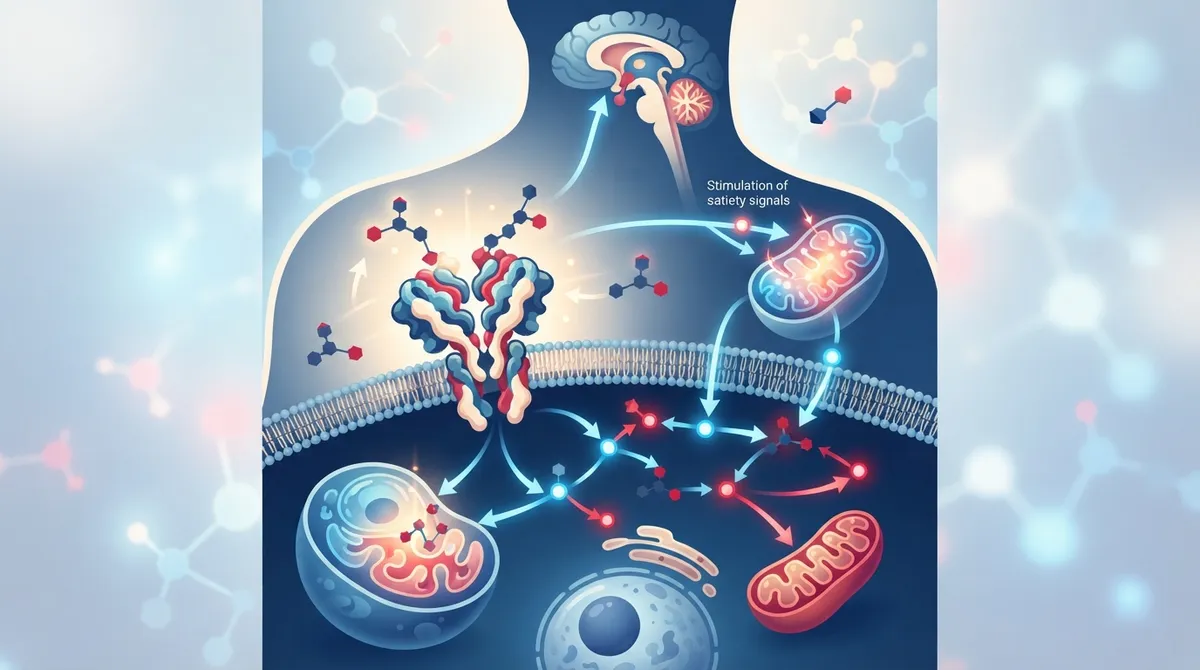
Retatrutide (also called LY3437943) is an experimental weekly injection. It works on three different hormone receptors at once: GIP, GLP-1, and glucagon. This triple-action approach is what makes it different from some other weight loss medications you may have heard about.
Researchers are studying it for obesity, overweight with related health issues, and type 2 diabetes. It is not yet approved by the FDA. That means no doctor can legally write you a standard prescription for it as an approved treatment right now.

2. The Real Phase 2 Trial Numbers
The strongest published evidence comes from a Phase 2 trial in the New England Journal of Medicine. This study followed 338 adults with obesity or overweight for 48 weeks. Here is what the average weight loss looked like by dose:
|
Dose |
Average Weight Loss at 48 Weeks |
|---|---|
|
4 mg |
17.5% |
|
8 mg |
22.5% |
|
12 mg |
24.2% |
|
Placebo |
2.1% |
These are average numbers across a group of people. Individual results varied a lot. More than 90% of people on the 12 mg dose lost at least 10% of their starting weight. Nearly two-thirds lost 20% or more.
3. What These Percentages Mean in Pounds
Percentages can feel abstract. Let's make them concrete. If someone weighs 220 pounds and loses 24.2% of their body weight, that equals about 53 pounds. This is simply doing the math on the trial average. It is not a promise of what any one person will lose.
Weight loss also depends on your starting point, your body, and how your body responds to treatment. Two people starting at the same weight can have very different outcomes.
4. New 2026 Phase 3 Results (With a Caution)
In 2026, the drug maker Eli Lilly released topline results from newer Phase 3 trials called TRIUMPH-1 and TRIUMPH-2. These numbers were even higher than the earlier study:
- TRIUMPH-1 (adults with obesity, 80 weeks): 19.0% weight loss with 4 mg, 25.9% with 9 mg, and 28.3% with 12 mg
- TRIUMPH-2 (adults with obesity and type 2 diabetes, 80 weeks): 12.7% with 4 mg, 19.1% with 9 mg, and 20.8% with 12 mg
- Placebo groups lost around 2% in both studies
Important note: these are company-reported numbers, not yet published in a peer-reviewed medical journal. They should be treated as preliminary until independent scientists review the full data.
5. Common Side Effects You Should Know
No before-and-after story is complete without talking about side effects. In the Phase 2 trial, the most common problems were digestive issues:
- Nausea
- Diarrhea
- Vomiting
- Constipation
These symptoms tended to be worse when doses increased and at higher dose levels. Some people stopped treatment altogether because of these side effects. This is a normal part of the conversation any responsible clinic should have with you before starting any weight loss medication.
6. Why Photos Alone Don't Tell the Full Story
A dramatic before-and-after photo can be misleading. Lighting, posture, clothing, and camera angle change how a photo looks. A real assessment of progress needs more than a picture.
Here is what a meaningful before-and-after check should actually include:
- Starting weight and current weight
- Percentage of body weight changed
- Waist circumference
- Blood pressure
- Blood sugar and other metabolic markers
- Current medications
- Any side effects experienced
- The exact time period between measurements
At InCare, tools like body composition analysis and metabolic breath analysis give a much fuller picture than a scale or a photo ever could.
7. Retatrutide Is Not FDA-Approved Yet
This point deserves repeating. Retatrutide is still investigational. It has not completed the FDA approval process. This means it cannot be legally prescribed as a standard treatment by a primary care clinic right now.
Some online sellers market "research" or compounded versions of retatrutide. These products carry real risks. There is often no guarantee about what is actually in the vial, how pure it is, or what the correct dose should be. A trustworthy primary care provider will be upfront about this instead of selling you something unproven.
8. How It Compares to Approved Options
Many patients ask how retatrutide stacks up against medications that are already FDA-approved, like semaglutide and tirzepatide. Here is a simple comparison of what current research shows:
|
Medication |
FDA Status |
Mechanism |
Reported Weight Loss Range |
|---|---|---|---|
|
Semaglutide |
Approved |
GLP-1 receptor agonist |
Up to ~15% in trials |
|
Tirzepatide |
Approved |
GIP/GLP-1 dual agonist |
Up to ~21% in trials |
|
Retatrutide |
Investigational |
GIP/GLP-1/glucagon triple agonist |
Up to ~24-28% in trials |
Retatrutide's numbers look higher on paper, but it has not yet gone through full FDA review. Patients interested in semaglutide in Tampa or similar approved therapies can start those conversations with a licensed provider today.
9. What Happens After Stopping Treatment
One question patients often forget to ask: what happens when you stop? For any weight loss medication in this drug class, weight regain is a real possibility once treatment ends. Because retatrutide is still investigational, long-term data on what happens after stopping is limited.
Patients should not assume that results from a clinical trial will last forever without ongoing treatment and lifestyle support. Building healthy habits alongside any medication plan matters just as much as the drug itself. This is one reason a comprehensive weight loss plan that actually works includes nutrition and activity coaching, not medication alone.
10. Questions to Ask Before Starting Any Weight Loss Program
Whether you are curious about retatrutide or an already approved option, here are smart questions to bring to your first appointment:
- Is this medication FDA-approved for my situation?
- What side effects are most common, and how are they managed?
- What other health conditions could affect my safety on this treatment?
- How will my progress be measured beyond the scale?
- What is the plan if I want to stop treatment later?
- Are there lifestyle changes that will support my results?
A good clinician will answer these clearly and honestly, without overpromising a specific number on the scale.
Why Working With a Trusted Clinic Matters
Retatrutide before and after numbers are exciting to read about, but they come from controlled clinical trials with careful medical supervision. Trying to replicate those numbers on your own, without guidance, is risky. Real results depend on the right diagnosis, the right monitoring, and follow-up care from people who know your health history.
At InCare, our providers in Tampa and Riverview focus on evidence-based, medically supervised approaches to weight management. From DNA gene testing to IV hydration therapy, we look at your whole health picture rather than chasing a single number. You can see what real patients say about their experience by visiting InCare on Google, or follow our team's updates on Facebook and Instagram for more wellness tips. We also share quick health insights on TikTok.
If you want a personalized, medically guided path toward your weight loss goals, our team can walk you through options that are actually approved and available today. Reach out to our team to start the conversation, or schedule your appointment now to get a plan built around your health, not just a headline number.
FAQs
Q: What is retatrutide and how does it work for weight loss?
A: Retatrutide is an experimental weekly injection that activates three hormone receptors at once: GIP, GLP-1, and glucagon. It is being studied for obesity, overweight with related health conditions, and type 2 diabetes, but it is not yet FDA-approved.
Q: How much weight did people lose with retatrutide in clinical trials?
A: In the Phase 2 trial published in 2023, average weight loss at 48 weeks ranged from 17.5% at the lowest dose to 24.2% at the highest dose. Newer 2026 company-reported Phase 3 topline results suggest even higher averages near 28% at 80 weeks, though these figures are still preliminary.
Q: Is retatrutide approved by the FDA, and can a primary care clinician prescribe it?
A: No, retatrutide is not currently FDA-approved. It remains an investigational medication, so it cannot legally be prescribed as a standard treatment by primary care clinicians at this time.
Q: What side effects have been reported with retatrutide?
A: The most common side effects in clinical trials were gastrointestinal, including nausea, diarrhea, vomiting, and constipation. These effects were often worse during dose increases and contributed to some participants stopping treatment.
Q: Will weight come back after stopping retatrutide?
A: Because retatrutide is still investigational, long-term data after stopping treatment is limited. As with other weight loss medications in this class, weight regain is possible without ongoing treatment and lifestyle support.