Key Takeaways
- Get blood work to check for deficiencies in iron, thyroid, vitamin D, and B vitamins before buying supplements, as 40% of women lack adequate protein and these nutritional gaps are common, reversible causes of hair thinning.
- Schedule a primary care visit to review your medical history, medications, and recent life changes, as 281 common medications can trigger hair loss and conditions like thyroid disease or PCOS often cause thinning but are treatable.
- Stress-induced hair loss (telogen effluvium) typically appears 2-3 months after a stressful event and is usually temporary; once stress is addressed, hair growth resumes within months.
- Distinguish between normal shedding (50-100 hairs daily), thinning (slow growth from genetics or hormones), and excessive shedding (triggered by illness or stress) to determine whether you need treatment or patience.
Thinning hair often feels like a cosmetic worry, but it can be a signal from your body. Studies show alopecia affects nearly half of all people at some point in their lives. Rather than guessing which shampoo or supplement might help, a primary care evaluation can uncover the real cause behind your hair growth troubles.
At InCare, patients in Tampa and Riverview turn to their primary care team when hair thinning starts affecting confidence and daily life. Understanding how hair growth works, and what disrupts it, is the first step toward real, lasting results. Below are 10 essential facts that connect hair health to your overall wellness.

1. Hair Growth Happens in Three Distinct Phases
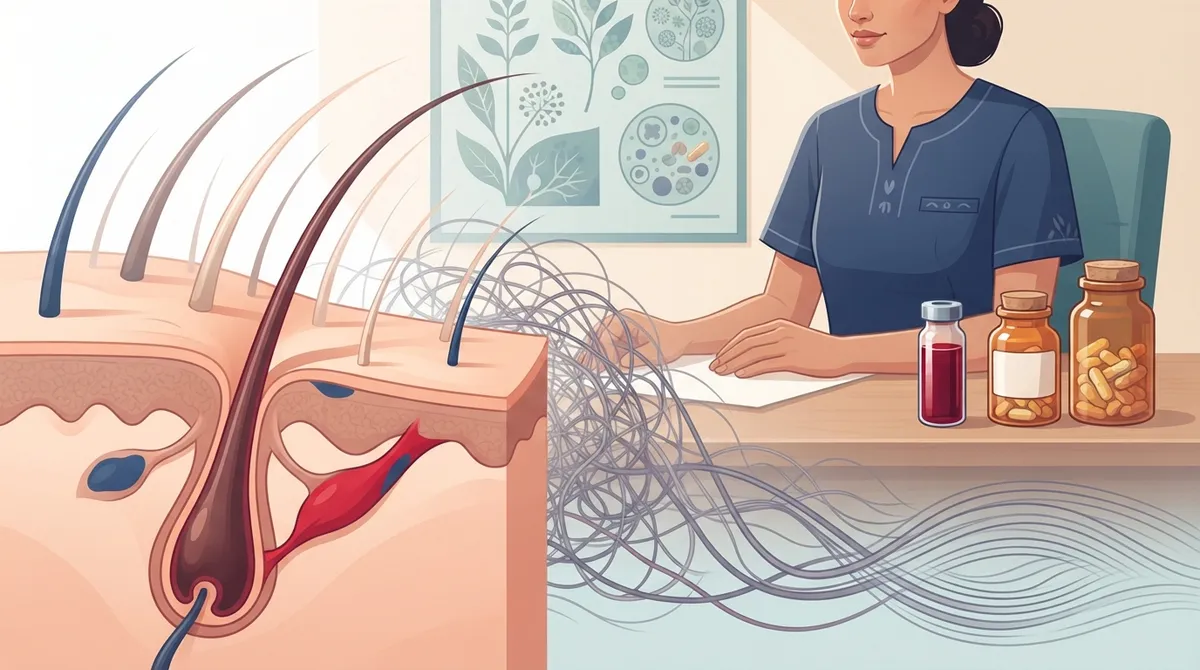
Every strand of hair on your head cycles through three phases: anagen, catagen, and telogen. The anagen phase is active growth and can last two to seven years. Catagen is a short transition period, and telogen is the resting phase before the hair sheds.
When this cycle gets disrupted, more hairs enter the resting phase at once. This causes noticeable shedding or thinning. A primary care visit can help determine what pushed your hair cycle out of balance.

2. A Proper Medical History Guides the Right Diagnosis
Not all hair loss looks the same, and the pattern matters. Doctors ask about when the shedding started, whether it is patchy or diffuse, and how quickly it has progressed.
A thorough history also includes questions about the following:
- Recent illnesses, surgeries, or significant weight changes
- Current medications and supplements
- Hair styling habits, including tight braids or frequent heat styling
- Family history of hair thinning or baldness
- Other symptoms like fatigue, cold intolerance, or irregular periods
This information helps your provider narrow down the likely cause before ordering any tests.
3. Medical Conditions Are Common, Overlooked Causes
Hair growth problems are frequently tied to conditions that have nothing to do with your scalp directly. Some of the most common medical contributors include:
- Iron deficiency or anemia
- Thyroid disease, both overactive and underactive
- Hormonal shifts from pregnancy, menopause, or PCOS
- Chronic stress or a major life event
- Malnutrition or restrictive dieting
Because these causes are often reversible, a comprehensive annual wellness visit can catch them early, before hair loss becomes harder to reverse.
4. Certain Medications Can Trigger Hair Shedding
Many people are surprised to learn that everyday prescriptions can affect hair growth. One clinical pharmacology review lists 281 medications known to cause hair loss as a side effect. Common culprits include blood pressure drugs, antidepressants, and certain acne treatments.
If you started a new medication a few months before noticing shedding, mention it during your visit. Reviewing your prescription management plan with your doctor may reveal an easy fix.
5. Nutrition Plays a Bigger Role Than Most People Realize
Hair follicles need steady fuel to keep producing healthy strands. A 2025 Medscape report noted that about 40% of women do not eat enough protein daily, and protein is essential for hair structure. Beyond protein, several nutrients are repeatedly linked to healthy hair growth.
Nutrients That Support Hair Growth
NutrientRole in Hair GrowthCommon Food SourcesProteinBuilds the keratin structure of hair strandsEggs, poultry, fish, legumesIron/FerritinCarries oxygen to hair folliclesRed meat, spinach, lentilsZincSupports follicle repair and growthNuts, seeds, shellfishVitamin DHelps activate hair follicle cyclingSunlight, fortified milk, fatty fishB VitaminsSupports cell turnover in the scalpWhole grains, leafy greens, eggsOmega-3 Fatty AcidsReduces scalp inflammationSalmon, walnuts, flaxseed
Blood work through your primary care provider can confirm whether you have any of these deficiencies before you spend money on supplements you may not need.
6. Scalp Health Directly Affects Hair Retention
Research published by the National Institutes of Health shows that scalp condition and oxidative stress can influence hair growth and retention. An inflamed or irritated scalp creates an environment where hair follicles struggle to function properly.
Simple habits can support a healthier scalp, including:
- Gentle cleansing without harsh sulfates
- Avoiding excessive heat styling
- Managing dandruff or seborrheic dermatitis promptly
- Limiting tight hairstyles that pull on the scalp
If scalp irritation persists, a provider can help identify whether an underlying skin condition needs treatment.
7. Stress Has a Measurable Impact on Hair Growth
Chronic stress can push hair follicles into the resting phase prematurely, a condition often called telogen effluvium. This type of shedding typically appears two to three months after a stressful event, illness, or major life change.
The good news is that this type of hair loss is usually temporary. Once the underlying stress is addressed, hair growth typically resumes within several months. Services like IV hydration and vitamin drips may also support recovery by replenishing nutrients depleted during high-stress periods.
8. Shedding and Thinning Are Not the Same Thing
It helps to understand the difference between these two terms before deciding on treatment.
- Hair shedding refers to losing 50 to 100 hairs daily as part of the normal cycle. This is expected and usually not a concern.
- Hair thinning happens when hair growth slows down or follicles shrink over time, often due to genetics, hormones, or chronic conditions.
- Excessive shedding occurs when far more hair falls out than normal, often triggered by illness, stress, or nutritional gaps.
Knowing which category applies to you helps determine the right next step, whether that is patience, lifestyle changes, or medical treatment.
9. Evidence-Based Treatments Offer Real Results
Several treatment options have research supporting their effectiveness for pattern hair loss and other non-scarring types of alopecia. The right choice depends on the diagnosis and patient factors.
Comparing Common Hair Growth Treatments
TreatmentHow It WorksBest ForMinoxidilExtends the growth phase and improves blood flow to folliclesPattern hair loss in men and womenFinasterideBlocks a hormone linked to follicle shrinkageMale pattern hair lossLow-Level Laser TherapyStimulates cellular activity in folliclesNon-scarring alopecia in many patientsMicroneedlingCreates micro-injuries that boost growth factor deliveryCombined use with topical treatmentsPRP TherapyUses your own platelets to stimulate follicle repairEarly to moderate thinning
Clinical trials have shown that low-level laser therapy can stimulate hair growth across many types of non-scarring alopecia. Providers at hair restoration services can help determine which combination of treatments fits your specific situation.
10. Some Hair Loss Requires Prompt Medical Attention
Scarring alopecias are more urgent because they can cause permanent follicle damage. Signs that warrant a quicker evaluation include:
- Patchy hair loss with visible scalp inflammation
- Painful or itchy patches on the scalp
- Rapid, unexplained hair loss over just a few weeks
- Hair loss accompanied by other new symptoms, like joint pain or skin rashes
Primary care physicians can identify these red flags early and refer patients to dermatology when needed, protecting your follicles before damage becomes permanent.
How InCare Approaches Hair Growth and Wellness
At InCare, hair growth concerns are treated as part of your whole-body health, not an isolated cosmetic issue. Providers like those featured on the providers page take time to review your medical history, run relevant lab work, and build a personalized plan.
Because hair health often connects to hormones, nutrition, and metabolism, InCare's broader wellness services can play a supporting role. Options like DNA gene testing and body composition analysis give a fuller picture of what might be affecting your hair growth from the inside out.
Patients at both the Tampa and Riverview locations appreciate this thorough, whole-body approach. You can read what current patients say by visiting InCare on Google, where the clinic maintains a strong reputation for attentive, personalized care.
Simple Steps to Take If You Notice Hair Thinning
If you have started noticing more hair in your brush or shower drain, consider these steps before jumping to conclusions:
- Track how long the shedding has lasted and whether it is increasing
- Review any new medications or major life changes in the past six months
- Evaluate your diet for adequate protein and key nutrients
- Schedule blood work to check iron, thyroid, and vitamin D levels
- Book a visit with a primary care provider to discuss patterns and options
Following the InCare team on Facebook or Instagram is also a good way to stay updated on wellness tips and new service offerings related to hair and overall health.
Bringing It All Together
Hair growth is influenced by far more than genetics. Nutrition, hormones, stress, scalp health, and even certain medications all play a role in whether your hair thrives or thins. A careful primary care evaluation can identify which of these factors applies to you, rather than leaving you to guess.
The most effective hair growth strategies combine accurate diagnosis with evidence-based treatment, whether that means correcting a nutrient deficiency, adjusting a medication, or starting a therapy like PRP or low-level laser treatment. Community discussions on platforms like TikTok continue to raise awareness about these options, but a personalized medical evaluation remains the most reliable path forward.
If thinning hair has you concerned, do not wait to get answers. Reach out to the InCare team to discuss your symptoms, or go ahead and schedule your appointment today to start building a plan that supports healthier, fuller hair growth.
FAQs
Q: What helps hair growth the most in primary care and wellness settings?
A: Identifying and correcting the root cause offers the most lasting benefit, whether that is a nutrient deficiency, thyroid issue, or medication side effect. Combining this with evidence-based treatments like minoxidil, PRP, or low-level laser therapy often produces the best results.
Q: What vitamins and nutrients are best for hair growth?
A: Protein, iron, zinc, vitamin D, B vitamins, and omega-3 fatty acids are consistently linked to healthy hair growth. A simple blood panel can confirm whether you are deficient in any of these before starting supplementation.
Q: What causes hair growth to slow down or hair to thin?
A: Common causes include thyroid disease, iron deficiency, hormonal changes, chronic stress, certain medications, and poor nutrition. Genetics also plays a major role in pattern hair loss for both men and women.
Q: When should hair loss be evaluated by a primary care doctor?
A: You should seek evaluation if shedding is sudden, patchy, or accompanied by scalp pain, itching, or inflammation. Persistent thinning lasting more than a few months also warrants a professional assessment to rule out underlying medical causes.
Q: Does stress affect hair growth?
A: Yes, chronic or acute stress can push hair follicles into a resting phase, leading to noticeable shedding two to three months later. This condition, called telogen effluvium, is usually temporary once the stressor is addressed.