Key Takeaways
- GHK-Cu is a naturally occurring tripeptide with copper that has been safely used in topical cosmetics for over 40 years at concentrations of 0.001%-0.5%, making it generally well-tolerated with only mild side effects like redness and itching.
- Injectable and systemic GHK-Cu lack sufficient human safety data, with 8-12% of users reporting injection-site reactions; this form should only be pursued under direct medical supervision, not based on online wellness protocols.
- GHK-Cu is classified as a cosmetic ingredient, not an FDA-approved drug, so claims about wrinkles and anti-aging are marketing statements rather than proven medical treatments with results varying significantly between individuals.
- People with copper metabolism disorders like Wilson's disease, known copper sensitivity, pregnant or breastfeeding individuals, and those on active skincare regimens should avoid or consult providers before using GHK-Cu products.
Skin serums, hair products, and wellness clinics keep talking about one tiny molecule: GHK-Cu copper peptide. If you have scrolled through skincare shelves or heard providers mention peptide therapy, you have likely seen this ingredient listed. But what does it actually do, and is it safe? This guide breaks down the science in plain language, so you can make a smart, informed choice about whether GHK-Cu belongs in your wellness routine.
At InCare, our Tampa and Riverview teams believe patients deserve clear, honest answers about trending wellness ingredients. This article covers what GHK-Cu is, how it is used, what the research shows, and who should be cautious. We also point you toward trusted resources so you can talk to your provider with confidence during your next visit.

1. What Is GHK-Cu Copper Peptide?
GHK-Cu stands for glycyl-L-histidyl-L-lysine copper. It is a small chain of three amino acids bound to a copper ion, often called a tripeptide. This compound occurs naturally in the human body, though levels decline as we age.
Researchers first noticed GHK-Cu in human plasma decades ago. Since then, it has become a popular ingredient in skincare and a topic of interest in peptide therapy in 2026 conversations. Most people encounter it as part of a topical product rather than an injectable treatment.
2. How Is GHK-Cu Used in Wellness and Skincare Today
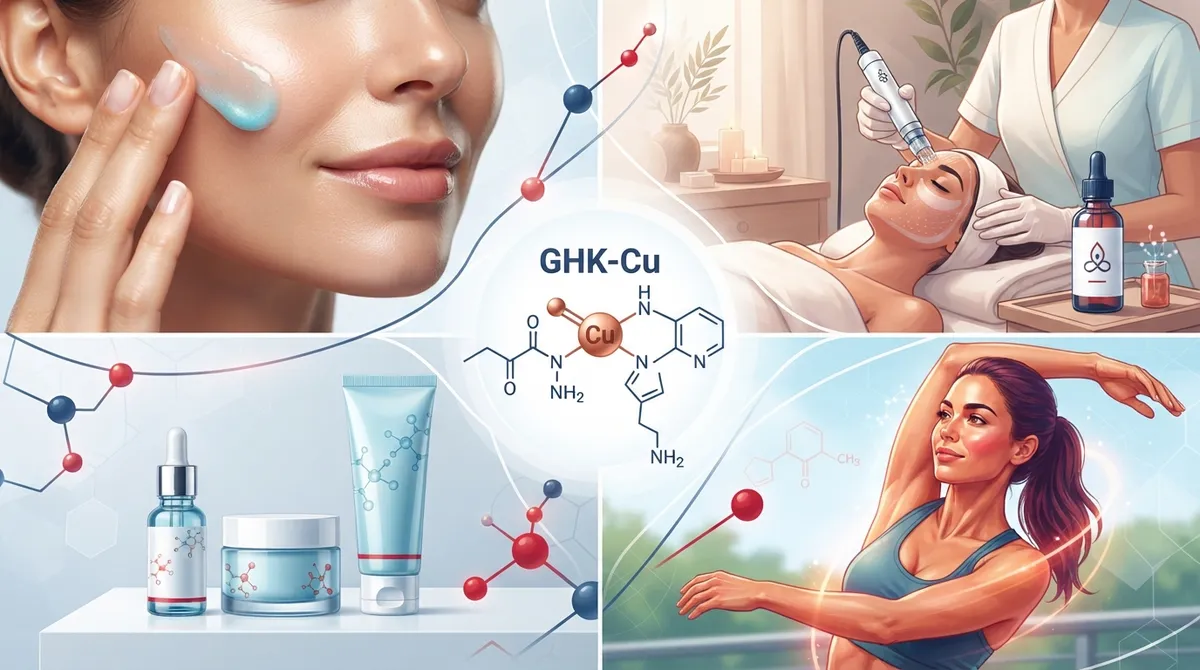
The most common way people use GHK-Cu is through topical application. You will find it in:
- Anti-aging serums and creams
- Post-procedure skincare, such as after microneedling
- Scalp treatments aimed at supporting hair health
- Body lotions marketed for skin firmness
Topical GHK-Cu has been used in cosmetic products for more than 40 years, according to a 2026 safety summary. That long track record gives dermatology researchers a solid base of real-world observation, even though large-scale clinical trials remain limited.
3. What Does the Research Say About Skin Benefits
Interest in GHK-Cu mostly centers on skin appearance. Supporters point to its role in supporting the skin's natural repair signaling. A widely cited 2005 human dermatology study found no major adverse events among participants using topical GHK-Cu, which remains a key reference point for current claims.
Cosmetic concentrations of GHK-Cu typically range from 0.001% to 0.5%, based on a 2026 review of skincare formulations. This is a very small amount, which is one reason topical use is generally considered low risk for most healthy adults. Still, cosmetic claims about wrinkles and firmness are not the same as approved medical treatments, and results vary from person to person.
4. GHK-Cu and Hair: Separating Hype From Evidence
Scalp serums containing GHK-Cu are marketed to support hair thickness and scalp comfort. The idea is that copper peptides may help support the scalp environment where hair follicles live.
However, human clinical evidence specific to hair growth remains limited compared to more established options. If thinning hair is a concern, it is worth discussing proven approaches with a provider first. Our hair restoration team in Tampa and Riverview can walk you through evidence-based options, including PRP therapy, and explain where copper peptide products may or may not fit into a broader plan.
5. Is Topical GHK-Cu Safe for Daily Use
For most healthy adults, topical GHK-Cu is considered well tolerated. The most commonly reported side effects are mild and include:
- Redness at the application site
- Mild itching
- Temporary dryness
- Localized irritation, especially with higher concentrations
These reactions are usually minor and tend to resolve once the product is stopped or the concentration is lowered. As with any new skincare ingredient, a patch test is a smart first step before applying it to your full face or scalp.
6. Injectable and Systemic GHK-Cu: Why Caution Matters
Some wellness marketing suggests GHK-Cu can be used through injections for broader anti-aging or recovery goals. This is where the evidence gets much thinner.
Human safety and efficacy data for injectable or systemic GHK-Cu are limited, according to multiple safety reviews. One 2026 source notes injection-site reactions were reported in 8% to 12% of subcutaneous administrations, though this figure is not based on large, well-controlled clinical trials. That means the real-world safety picture for injectable use is still incomplete.
Because of this uncertainty, it is important to have a real conversation with a licensed provider before considering any injectable peptide product. Our physicians at InCare providers pages can give you a sense of the medical expertise available if you have questions about peptide-related wellness options.
7. Dosing Guidance You May See Online
General wellness dosing guidance sometimes lists GHK-Cu at 0.5 mg to 1.5 mg, taken daily or every other day, often in month-on, month-off cycles. This kind of protocol appears in wellness forums and some product guides.
It is important to understand that this dosing information is not the same as an FDA-approved prescribing guideline. Anyone considering a structured peptide protocol should do so under medical supervision rather than relying solely on online recommendations. The table below summarizes how topical and other reported uses compare.
|
Use Type |
Typical Concentration or Dose |
Evidence Level |
Reported Side Effects |
|---|---|---|---|
|
Topical (serums, creams) |
0.001% to 0.5% |
Long-standing cosmetic use, limited large trials |
Mild redness, dryness, itching |
|
Scalp products |
Varies by brand |
Limited human hair-specific data |
Localized irritation |
|
Subcutaneous/injectable |
0.5 mg to 1.5 mg (general wellness guidance) |
Insufficient human safety data |
Injection-site reactions (8-12% in one source) |
8. Regulatory Status: Is GHK-Cu FDA Approved
This is one of the most common questions patients ask. GHK-Cu is not approved as a therapeutic drug by major regulators, including the FDA. It is typically classified as a cosmetic ingredient or a research compound, not a medication.
This distinction matters. Cosmetic ingredients are regulated differently than prescription drugs, and they do not go through the same rigorous efficacy testing. When a product claims dramatic medical-level results, that is a signal to ask more questions and consult a licensed healthcare provider.
9. Who Should Avoid GHK-Cu Copper Peptide
Certain groups need to be more careful with copper-based peptides. Consider these points:
- People with Wilson's disease or other copper metabolism disorders are commonly advised to avoid or limit copper peptide exposure
- Anyone with known sensitivity to copper-containing skincare products
- Pregnant or breastfeeding individuals, who should always check with a provider before starting new skincare or supplement routines
- Patients using other active skincare ingredients, since layering products can increase irritation risk
For topical cosmetic use, several sources note that systemic copper exposure is expected to be low, and copper toxicity is not a realistic concern at normal cosmetic use levels in otherwise healthy users. Still, if you have any chronic condition, it is worth mentioning any new peptide product during your primary care visit.
10. How InCare Approaches Peptides and Whole-Body Wellness
At InCare, our approach to wellness trends like GHK-Cu starts with education and honest medical guidance. Rather than pushing unproven claims, our providers help patients understand what current research actually supports and what still needs more study.
If you are curious about peptide-related options as part of a broader wellness plan, our peptide therapy program in Tampa offers a supervised, medically guided environment. We also offer complementary services like DNA gene testing, body composition analysis, and IV hydration and vitamin drips to support whole-body health goals in a way that is grounded in evidence.
Patients across Tampa and Riverview trust our team for straightforward answers. You can read what our community says by visiting InCare's location on Google, where our clinic holds a strong reputation for friendly, knowledgeable care. We also share wellness updates and patient education on Facebook, Instagram, and TikTok.
Comparing Topical vs Injectable GHK-Cu at a Glance
Many patients want a quick, side-by-side view before deciding what fits their goals. Here is a simple comparison based on current research summaries.
|
Factor |
Topical GHK-Cu |
Injectable GHK-Cu |
|---|---|---|
|
Common use |
Skin, scalp, post-procedure care |
Research and some wellness protocols |
|
Safety data |
Decades of cosmetic use history |
Limited human safety trials |
|
Regulatory status |
Cosmetic ingredient |
Not an approved drug |
|
Typical side effects |
Mild redness, itching, dryness |
Injection-site reactions reported |
Steps to Take Before Trying Any Copper Peptide Product
Before adding GHK-Cu to your routine, follow these simple steps to protect your health:
- Research the product source and check for third-party testing where possible
- Patch test any new topical serum on a small area of skin first
- Review your current medications and skin conditions with a provider
- Ask about known contraindications, especially copper metabolism disorders
- Start with the lowest effective concentration before increasing use
- Monitor your skin for irritation over the first two weeks
- Schedule a follow-up visit if you plan to combine it with other treatments
Taking these steps helps you enjoy potential benefits while minimizing unnecessary risk. It also gives your provider a clear picture of everything you are using, which supports safer, more coordinated care.
Bringing It All Together
GHK-Cu copper peptide has earned its place in skincare and wellness conversations thanks to decades of topical use and ongoing research interest. Cosmetic products remain the best-supported application, while injectable and systemic uses still need more human data before they can be considered well established. Understanding this distinction helps you set realistic expectations and avoid overpaying for unproven promises.
If you want personalized guidance on peptides, skin health, or any other wellness goal, our team is ready to help you sort fact from marketing. Reach out to our team today to ask questions, or go ahead and book your appointment now to start a conversation about what truly fits your health goals.
FAQs
Q: What is GHK-Cu copper peptide used for?
A: GHK-Cu is most commonly used as a topical ingredient in anti-aging serums, post-procedure skincare, and scalp products. It is valued for its role in supporting skin's natural repair signaling, though it is treated as a cosmetic ingredient rather than an approved medication.
Q: Is GHK-Cu safe for daily topical use?
A: Topical GHK-Cu has been used in cosmetics for more than 40 years and is generally well tolerated by healthy adults. The most common side effects are mild, including redness, itching, or dryness, and a patch test is recommended before regular use.
Q: Does GHK-Cu help with wrinkles or skin aging?
A: Some research, including a widely cited 2005 human dermatology study, suggests topical GHK-Cu may support skin appearance without major adverse events. However, results vary by person, and it should not be viewed as a guaranteed anti-aging treatment.
Q: Is injectable GHK-Cu safe?
A: Injectable or systemic GHK-Cu lacks strong human safety and efficacy data. Reported injection-site reactions occurred in 8% to 12% of subcutaneous administrations in one source, so this route should only be considered under close medical supervision.
Q: Who should avoid GHK-Cu copper peptide?
A: People with copper metabolism disorders, such as Wilson's disease, are commonly advised to avoid or limit GHK-Cu exposure. Anyone with known copper sensitivity, or who is pregnant or breastfeeding, should consult a provider before use.