
Key Takeaways
- Kisspeptin-10 (KP-10) is not FDA-approved and has no validated dosing protocol for home use; research only demonstrates short-term hormone changes in controlled lab settings, not proven benefits for fertility, libido, or testosterone.
- Online KP-10 products labeled 'research use only' lack proper testing for purity and sterility, carrying risks of contamination, unpredictable hormone effects, and unknown long-term consequences without medical oversight.
- If KP-10 appears on your insurance card or benefits statement, it typically refers to a $10 primary-care copay that may not cover specialists, labs, imaging, or urgent care—verify your actual coverage in your Summary of Benefits and Coverage document.
- Before considering any hormone-related treatment, consult a licensed provider who can order proper testing (hormone panel, thyroid function, metabolic panel) to base treatment decisions on actual lab results rather than unregulated online products.
Searching for "InCare KP-10" can bring up two very different answers, and knowing which one applies to you matters. Some people find this term while researching kisspeptin-10, a peptide studied in reproductive hormone research. Others see it while trying to decode an insurance card that lists a $10 primary-care copay. Both meanings are common in 2026, but only one may apply to your situation. This guide breaks down both interpretations so you can make informed choices about your health and your health plan. Whether you are curious about hormone-related peptides or trying to understand your benefits, clarity matters. At InCare, our providers in Tampa and Riverview help patients sort through confusing health terms every day. Below are 10 facts that explain what KP-10 really means, how it may affect your body, and what questions to ask before making any decisions about your care.

1. KP-10 Has Two Completely Different Meanings
The term "KP-10" is ambiguous. It can mean kisspeptin-10, a lab-studied peptide linked to reproductive hormones. It can also be informal shorthand for a health plan with a $10 primary-care copay. These two meanings have nothing to do with each other. Confusing them could lead you to the wrong information or the wrong action. Before you read further into either topic, figure out which one applies to your search. If you found this term on a lab site or wellness forum, you are likely looking at the peptide. If you found it on an insurance card or benefits summary, you are looking at a copay structure.
2. What Kisspeptin-10 Actually Is
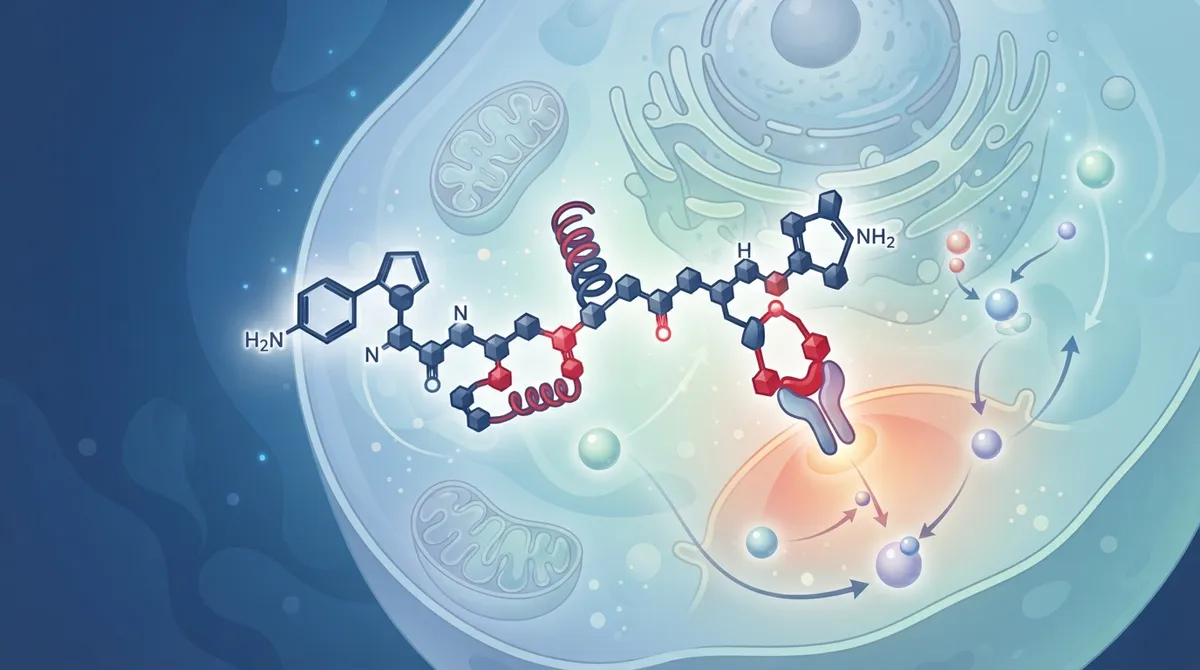
Kisspeptin-10 is a small, lab-made peptide made of 10 amino acids. Scientists also call it metastin(45–54) or kisspeptin-1(112–121). It works by activating a receptor in the brain called KISS1R, also known as GPR54. This receptor sits in the hypothalamus, a part of the brain that controls many hormone signals. When activated, it can trigger the release of gonadotropin-releasing hormone, or GnRH. This chain reaction can then affect two other hormones: luteinizing hormone (LH) and follicle-stimulating hormone (FSH).
How the Hormone Chain Works
- Kisspeptin-10 binds to the KISS1R receptor in the hypothalamus
- This activation stimulates the release of GnRH
- GnRH then signals the pituitary gland
- The pituitary gland releases LH and FSH
- These hormones influence reproductive function in both men and women
3. Research Shows Short-Term Hormone Changes, Not Proven Benefits
Small human studies have shown that kisspeptin-10 can cause quick, measurable shifts in reproductive hormones. These studies were done under tightly controlled research settings, often with single doses or short infusions. It's important to understand what this research does not show. It does not prove that kisspeptin-10 improves fertility outcomes. It does not confirm benefits for libido, weight loss, or low testosterone. The available evidence describes short-term hormone activity, not long-term wellness results. Patients considering hormone-related concerns should discuss options with a licensed provider rather than relying on limited research data.
4. Kisspeptin-10 Is Not FDA-Approved
As of 2026, there is no FDA-approved kisspeptin-10 product for general use. There is no approved dose, no approved formulation, and no standard medical indication. This means no doctor can legally prescribe it for weight loss, fertility, or hormone therapy in a standard clinical setting. Any product claiming to be an approved treatment should raise a red flag. Regulatory summaries reviewed for 2025 and 2026 confirm this gap in approval status. If you are exploring hormone-related treatments, ask your provider about options that are proven safe and legally available, such as those discussed in our testosterone replacement therapy guide.
5. There Is No Safe Home Dosing Schedule
One of the most important facts to understand is that kisspeptin-10 has no validated home-use protocol. Research studies have used very different methods, including:
- Single intravenous doses given once in a controlled lab
- Short-term infusions monitored by medical staff
- Pulsatile administration given every 8 to 12 hours for 36 to 72 hours
These schedules were built for specific research goals. They were never designed as consumer instructions. The peptide also has a very short circulation time in the body, estimated at just 3 to 4 minutes. This short window is part of why researchers use controlled or pulsatile methods rather than simple daily doses. Attempting to copy these protocols at home is not supported by any medical guidance.
6. Online KP-10 Products Carry Real Risks
Many products labeled "KP-10" are sold online as "research use only." This label is a warning sign, not a guarantee of safety. These products often lack proper testing for identity, purity, potency, and sterility. Buying from unverified sources means you cannot be sure what is actually in the vial. Below are common concerns tied to unregulated peptide products:
- Unpredictable hormone effects from incorrect dosing
- Possible contamination during manufacturing
- Immune reactions from impure ingredients
- Unknown risks from long-term use
- No medical oversight if something goes wrong
If you're interested in peptide therapy, it's safer to work with a licensed clinic. Our team explains more about safe, supervised options in this guide to peptide therapy in Tampa.
7. Understanding KP-10 as an Insurance Term
If you found "KP-10" on a bill, insurance card, or benefits packet, it likely refers to something different. In this context, it is informal shorthand for a $10 primary-care copay under certain health plans. This is not a universal insurance term. It varies by insurer, employer contract, region, and plan year. The table below compares what this shorthand often means versus what it may not cover.
|
What KP-10 Copay Often Covers |
What It May Not Cover |
|---|---|
|
In-network primary care office visits |
Specialist visits |
|
Routine wellness checkups |
Lab tests and imaging |
|
Basic covered services under the plan |
Procedures or surgeries |
|
Standard annual visits |
Urgent care or emergency visits |
|
Some preventive screenings |
Costs applied toward a deductible |
8. Steps to Verify Your Actual Copay Benefit
Do not assume a $10 copay applies to every visit type. Instead, follow these steps to confirm your real coverage:
- Locate your plan's official Summary of Benefits and Coverage document
- Check whether the $10 copay applies only to primary care visits
- Confirm if your provider is in-network for that specific benefit
- Ask about costs for labs, imaging, or specialist referrals
- Call your insurer directly if anything is unclear
- Keep a copy of your benefits summary for future visits
Our front desk teams in Tampa and Riverview often help patients understand these details before their primary care appointments. If you are unsure about your plan, our staff can help you check network status before you schedule.
9. Why This Matters for Your Whole-Health Plan
Understanding the correct meaning of KP-10 protects both your health and your wallet. If you are exploring hormone therapy, working with a licensed provider ensures your treatment is based on real evidence, not guesswork. If you are checking your insurance, understanding your true copay structure helps you avoid surprise bills. InCare focuses on whole-body care, from cancer screenings to DNA gene testing, so patients can make informed decisions backed by real data. Our providers, including those featured on our providers page, are trained to walk you through confusing health terms and help you choose safe, proven paths forward.
10. What Tests Come Before Any Hormone Discussion
If you are dealing with symptoms like low energy, low libido, or fertility concerns, a primary care provider will usually start with basic testing before discussing any hormone-related treatment. Common starting points include:
- Complete hormone panel, including LH, FSH, and testosterone or estrogen levels
- Thyroid function testing
- Basic metabolic panel
- Review of symptoms, lifestyle, and medical history
- Discussion of proven treatment options, such as TRT versus peptide therapy versus hormone replacement therapy
This structured approach ensures any treatment plan is based on your actual lab results, not on unverified online products. Patients in Tampa and Riverview can also explore body composition analysis and metabolic breath testing to get a fuller picture of their health before starting any new therapy.
Making Sense of KP-10 for Your Health Journey
Whether KP-10 means a peptide or a copay in your case, the safest path forward is the same: verify the facts before acting. Do not self-administer unregulated peptides, and do not assume a copay applies to every service on your plan. Bring your questions to a licensed provider who can review your specific situation. You can also see what real patients say about their experience by visiting our reviews at Visit us on Google — InCare. Our Tampa and Riverview locations offer a mix of primary care, wellness services, and clear guidance so you never have to guess about your health. Stay connected with health tips and clinic updates through our Facebook page, Instagram account, and TikTok channel.
If you have questions about hormone health, peptide safety, or your insurance benefits, our team is ready to help. Reach out to our care team today, or go ahead and book your appointment now to get clear answers backed by real medical expertise.
FAQs
Q: What is KP-10 or kisspeptin-10?
A: Kisspeptin-10 is a lab-made peptide made of 10 amino acids that activates a brain receptor linked to reproductive hormones. It is studied for its short-term effects on GnRH, LH, and FSH release, but it is not an approved treatment for general use.
Q: Is kisspeptin-10 FDA approved?
A: No, kisspeptin-10 does not have FDA approval for routine human use. There is no approved dose, formulation, or standard medical indication as of 2026, so it should not be used as a home treatment.
Q: Can kisspeptin-10 improve fertility, libido, or low testosterone?
A: Current research only shows short-term hormone changes in small, controlled studies. There is no strong evidence that kisspeptin-10 improves fertility outcomes, libido, or testosterone levels in general use.
Q: Are KP-10 products sold online safe?
A: Products labeled "research use only" often lack proper testing for purity, potency, and sterility. Buying these products carries risks like contamination, unpredictable hormone effects, and unknown long-term consequences.
Q: Does KP-10 refer to a Kaiser Permanente plan with a $10 primary-care copay?
A: In some cases, yes. "KP-10" is sometimes used as informal shorthand for a $10 primary-care copay, but this benefit may not apply to specialists, labs, imaging, or urgent care. Always check your Summary of Benefits and Coverage to confirm.