
Key Takeaways
- Kisspeptin is not an approved gender-affirming treatment and cannot replace standard hormone therapy like estradiol or testosterone; it remains a research tool only, not a clinical option for feminization or masculinization.
- Fertility preservation conversations should occur before starting gender-affirming hormone therapy, as hormone therapy can suppress or alter gonadal function with unpredictable long-term effects; established options include sperm, oocyte, and embryo cryopreservation.
- Puberty blockers work by overriding kisspeptin's natural pulsing pattern to pause puberty rather than reverse it, and require regular monitoring by qualified providers including hormone labs, blood pressure checks, and bone density screening.
- Online claims about kisspeptin supplements for fertility restoration, puberty blocking, or reversing hormone-related infertility are unregulated and unsupported by clinical evidence; patients should rely on licensed providers rather than unverified products.
Kisspeptin has become a popular research topic in reproductive medicine, and many transgender patients now ask about it during primary care visits. Questions often center on fertility, puberty suppression, and hormone therapy. Because kisspeptin drives the biological switch behind puberty and reproduction, it is easy to see why patients search for answers about its role in gender-affirming care.
This article breaks down what kisspeptin actually does, what the science currently shows about transgender health, and where fertility counseling fits into your care plan. Whether you are exploring gender-affirming hormone therapy or simply want clear, accurate information, this guide offers a grounded, evidence-based starting point. For personalized guidance, the team at Primary Care in Tampa and Riverview can help you sort fact from hype.
1. Kisspeptin Is a Hormone Messenger, Not a Gender-Affirming Drug
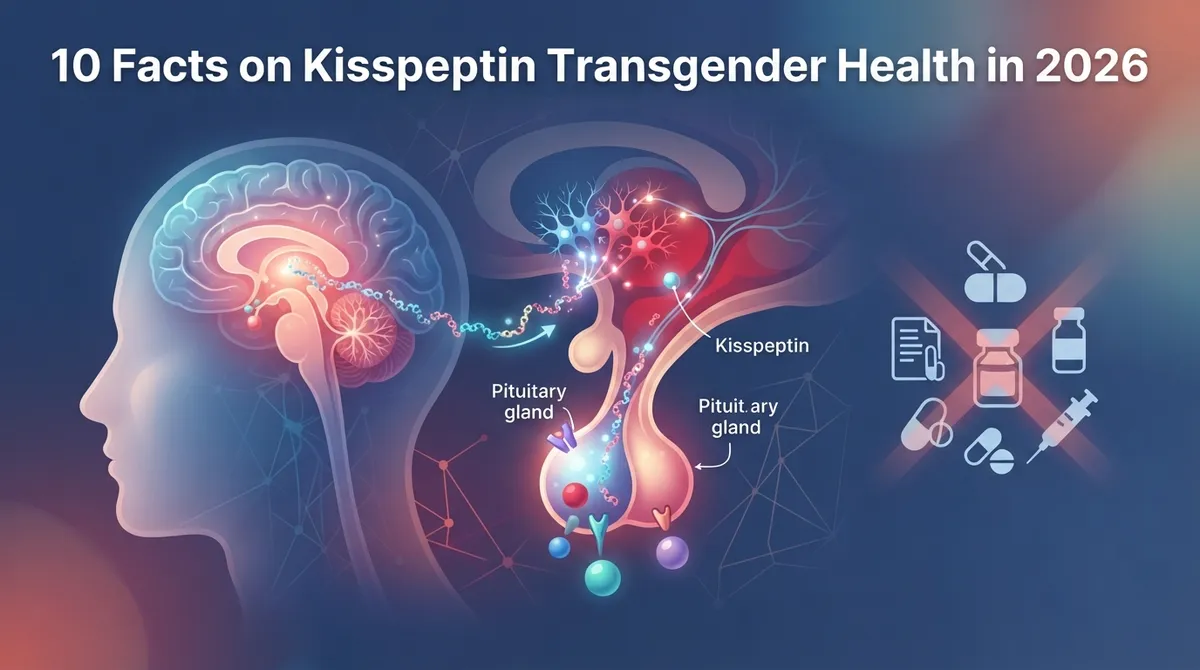
Kisspeptin is a naturally occurring signaling molecule made in the hypothalamus. It activates neurons that release gonadotropin-releasing hormone, commonly known as GnRH. This chain reaction controls luteinizing hormone and follicle-stimulating hormone, which in turn regulate estrogen, testosterone, and fertility throughout life.
It is important to understand that kisspeptin itself is not a treatment used to feminize or masculinize the body. It is a foundational part of human reproductive biology, studied heavily in fertility research. No approved clinical protocol currently uses kisspeptin as a substitute for standard gender-affirming hormone therapy.
2. How the Kisspeptin-GnRH Pathway Works
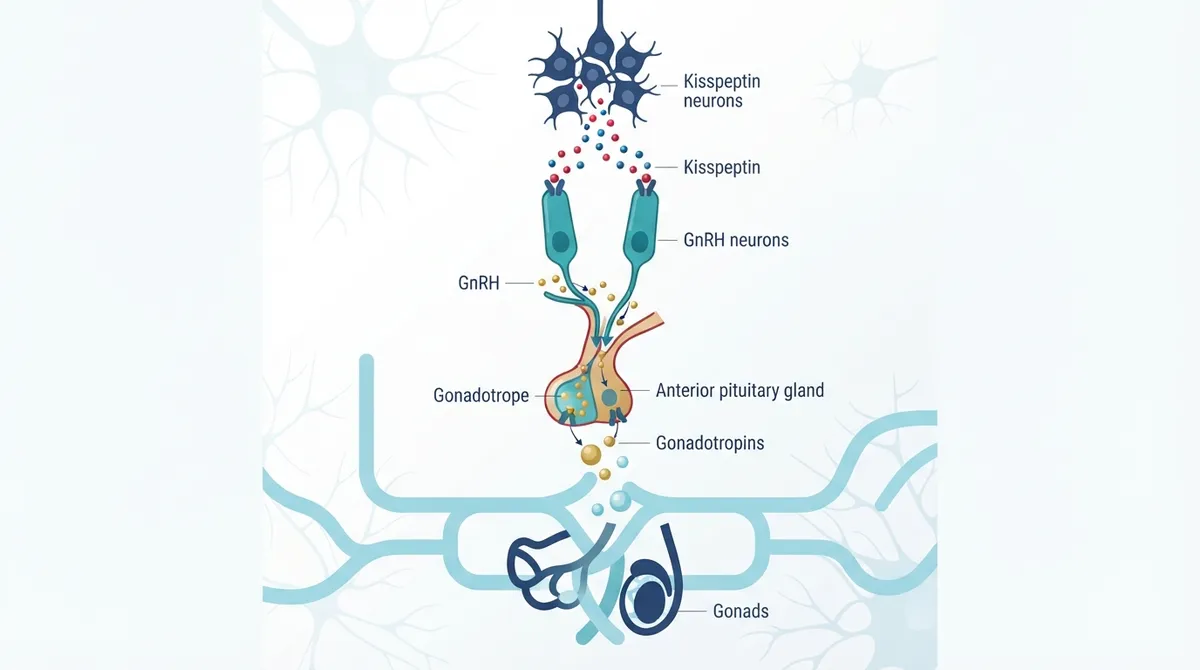
Understanding this pathway helps explain why kisspeptin research matters for transgender health discussions. The process follows a clear sequence:
- Kisspeptin neurons in the hypothalamus release kisspeptin.
- Kisspeptin binds to receptors on GnRH neurons, triggering their activation.
- GnRH is released into the pituitary gland.
- The pituitary responds by releasing LH and FSH.
- LH and FSH travel to the ovaries or testes, prompting sex hormone production.
This entire system is sometimes called the hypothalamic-pituitary-gonadal axis. Gender-affirming hormone therapy interacts with this same axis, which is why researchers are curious about kisspeptin's downstream effects.
3. Why Transgender Patients Are Hearing About Kisspeptin
Interest in kisspeptin among transgender patients typically comes from three areas of curiosity:
- Questions about how puberty blockers affect long-term fertility
- Curiosity about whether kisspeptin could reverse hormone-related infertility
- General interest in cutting-edge hormone research shared on social media
While these questions are reasonable, current clinical evidence does not support kisspeptin as a fertility-restoration therapy or a replacement for prescribed hormone treatments like estradiol or testosterone.
4. What Puberty Blockers Actually Do to This System
Puberty blockers, technically called GnRH agonists, work by overriding the natural pulsing pattern that kisspeptin normally creates. This pauses puberty rather than reversing it permanently. According to a 2023 clinical review, local injection-site redness or swelling occurred in up to 9% of patients receiving puberty suppression, while local pain was reported in roughly 10% to 20% of cases.
These statistics apply to puberty blockers broadly, not specifically to kisspeptin therapy. Still, they highlight why any hormone-related treatment plan should be closely monitored by a qualified primary care provider or endocrinologist.
5. Fertility Counseling Should Come Before Hormone Therapy
One of the clearest, most consistent recommendations in transgender health care involves timing. Fertility preservation conversations should happen before starting gender-affirming hormones whenever possible. The World Professional Association for Transgender Health (WPATH) Standards of Care Version 8 emphasizes ongoing discussions about reproductive goals, not just a single conversation at the start of treatment.
This matters because gender-affirming hormone therapy can suppress or change gonadal function. The degree of reversibility varies by individual, and long-term fertility outcomes are not fully understood yet. A 2024 review confirmed that fertility effects remain unpredictable, reinforcing the need for early counseling rather than assumptions in either direction.
Key Fertility Preservation Options
For patients who want to preserve future fertility, several established options exist. These are not experimental treatments involving kisspeptin, but standard reproductive medicine tools.
|
Option |
Best For |
Approximate U.S. Cost |
|---|---|---|
|
Sperm Cryopreservation |
Postpubertal patients assigned male at birth |
Varies by clinic and storage duration |
|
Oocyte (Egg) Cryopreservation |
Postpubertal patients assigned female at birth |
$10,000–$15,000 |
|
Embryo Cryopreservation |
Patients with a partner or donor plan |
$10,000–$15,000 |
|
Ovarian Tissue Cryopreservation |
Select cases, often experimental for prepubertal patients |
$10,000–$12,000 |
These figures come from WPATH fertility preservation guidance and can vary significantly based on location, insurance coverage, medication needs, and annual storage fees.
6. Comparing Kisspeptin Research to Standard Gender-Affirming Care
Patients often want a side-by-side view of where kisspeptin stands compared to established treatments. The table below offers a simple comparison.
|
Factor |
Kisspeptin |
Standard Gender-Affirming Hormone Therapy |
|---|---|---|
|
Clinical Approval Status |
Research stage only |
Established, physician-prescribed |
|
Primary Use |
Studying puberty and fertility signaling |
Feminization or masculinization |
|
Fertility Restoration Evidence |
Not established |
Not the primary goal; fertility impact varies |
|
Monitoring Required |
Research protocols only |
Regular labs, physician follow-up |
This comparison shows why kisspeptin remains a research tool rather than an everyday clinical option. Patients considering hormone therapy should rely on guidance from a licensed provider rather than unregulated products marketed online.
7. Steps for Discussing Kisspeptin and Fertility With Your Doctor
If you want to bring up kisspeptin or fertility concerns during a primary care visit, preparation helps you get the most out of your appointment. Consider this simple approach:
- Write down your specific questions about fertility and hormone therapy before your visit.
- Share your reproductive goals honestly, even if they may change over time.
- Ask about baseline lab work, including hormone panels relevant to your treatment plan.
- Request a referral to reproductive endocrinology if your questions go beyond primary care scope.
- Discuss contraception needs if pregnancy prevention is relevant to your situation.
- Ask how often follow-up monitoring will occur once hormone therapy begins.
Providers at Providers pages across InCare's Tampa and Riverview locations are trained to have these conversations with respect and clinical accuracy.
8. What Primary Care Monitoring Looks Like During Hormone Therapy
Whether or not kisspeptin research eventually changes clinical practice, primary care monitoring remains essential today. Typical monitoring includes:
- Baseline and periodic hormone level testing
- Blood pressure and metabolic panel checks
- Bone density screening for long-term hormone users
- Cancer screenings appropriate to your anatomy and risk factors
- Mental health check-ins to support overall wellness
InCare's Cancer Screening services and routine primary care visits help ensure nothing falls through the cracks. Comprehensive, whole-body care matters just as much during hormone therapy as it does at any other stage of life.
9. Common Myths About Kisspeptin and Transgender Health
Misinformation spreads quickly online, so it helps to separate myth from fact. Here are frequent misconceptions patients bring to appointments:
- Myth: Kisspeptin can reverse infertility caused by hormone therapy. Fact: No clinical evidence supports this claim yet.
- Myth: Kisspeptin is an approved puberty blocker. Fact: Puberty blockers use different, approved GnRH agonist medications.
- Myth: Kisspeptin supplements sold online are safe and effective. Fact: These products are unregulated and not clinically validated for this use.
- Myth: Fertility preservation is unnecessary if you're young. Fact: Age does not eliminate the value of early counseling.
Understanding these distinctions helps patients make informed decisions instead of relying on unverified online claims.
10. Building a Trusted Care Team for Long-Term Wellness
Navigating transgender health topics like kisspeptin research works best with a supportive, knowledgeable care team. A strong primary care relationship offers consistency, coordinated referrals, and whole-body attention that goes beyond hormone therapy alone.
InCare's Locations in Tampa and Riverview provide a welcoming environment for patients exploring gender-affirming care, fertility counseling, or general wellness services. Patients can also explore Dna Gene Testing for deeper insight into personal health patterns, or consider Iv Hydration Vitamin Drips to support overall energy and wellness during treatment transitions.
Many patients also appreciate seeing real feedback before choosing a provider. You can visit InCare on Google to read patient reviews and get a feel for the clinic's welcoming, respectful approach to care. InCare also shares helpful health updates on Facebook, Instagram, and Tik Tok for patients who want ongoing wellness tips.
Moving Forward With Confidence
Kisspeptin remains an exciting area of reproductive science, but it is not yet a proven tool for gender-affirming care or fertility restoration. What matters most today is working with a knowledgeable primary care team that understands both the science and the personal side of your health journey.
If you have questions about hormone therapy, fertility preservation, or general wellness support, our team is ready to help. Reach out to our care team to schedule a conversation, or go ahead and book your appointment today to start building a personalized, respectful care plan.
FAQs
Q: What is kisspeptin and how does it relate to transgender health?
A: Kisspeptin is a hormone that activates GnRH neurons, which control reproductive hormone production through the hypothalamic-pituitary-gonadal axis. In transgender health, it is currently studied as a research tool related to puberty and fertility rather than used as an approved gender-affirming treatment.
Q: Can kisspeptin replace gender-affirming hormone therapy?
A: No, there is no established clinical evidence that kisspeptin can feminize, masculinize, or replace standard treatments like estradiol, testosterone, or prescribed puberty blockers. It remains a subject of ongoing scientific research.
Q: Does gender-affirming hormone therapy affect fertility?
A: Yes, hormone therapy can suppress or alter gonadal function, though the degree and reversibility vary by individual. A 2024 review found that long-term fertility outcomes remain incompletely understood, which is why early counseling is recommended.
Q: When should transgender patients discuss fertility preservation?
A: WPATH Standards of Care Version 8 recommend discussing reproductive goals and fertility preservation options before starting gender-affirming hormone therapy or surgery, with ongoing conversations as goals may change over time.
Q: What fertility preservation options are available for transgender patients?
A: Established options include sperm, oocyte, and embryo cryopreservation for postpubertal patients, with approximate costs ranging from $10,000 to $15,000. Ovarian tissue cryopreservation may be available in select cases but remains more limited for prepubertal applications.