Key Takeaways
- BPC-157 is not FDA-approved and remains experimental; both oral and injectable forms lack robust human clinical trials, so they should be treated as unproven options rather than established treatments.
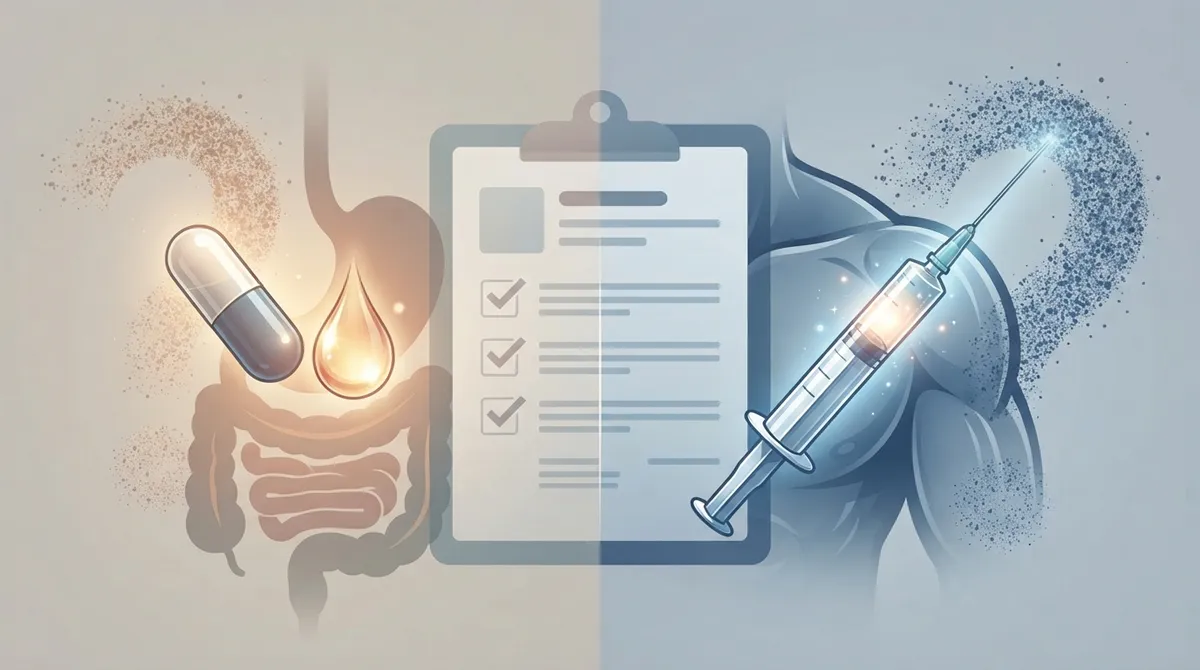
- Oral BPC-157 is marketed for gut health while injections are promoted for musculoskeletal recovery, but these claimed benefits are based on marketing rather than confirmed clinical evidence in humans.
- Side effects differ by delivery method: oral forms may cause digestive discomfort, while injections carry infection and swelling risks; both lack comprehensive long-term safety data.
- Before considering BPC-157, consult a licensed provider who can review your health history, discuss realistic expectations, and explain regulatory and evidence gaps rather than relying on unverified online sources.
Peptide therapy has become one of the most talked-about topics in wellness circles, and BPC-157 sits near the top of that conversation. Patients across Tampa and Riverview often ask the same question: should BPC-157 be taken by mouth or through injection? The honest answer is more nuanced than most online sources admit. BPC-157 remains an experimental peptide, and it is not approved by the FDA or any major regulatory body for medical use.
This matters because the way a peptide enters your body changes how it behaves, where it works, and what risks it carries. Oral capsules are often marketed for gut-related concerns, while injections are promoted for joint, tendon, and systemic recovery. But marketing claims and clinical evidence are not the same thing. Before considering any peptide protocol, it helps to understand what current wellness sources say, where the evidence gaps exist, and why working with a licensed provider matters. Below are 10 essential facts to help you separate marketing claims from medical reality.

1. BPC-157 Is Still an Experimental Compound
BPC-157 stands for Body Protection Compound-157. It is a synthetic peptide derived from a protein found in human gastric juice. Despite years of interest in wellness and fitness communities, it has not received FDA approval for any medical condition.
This means any use of BPC-157, whether oral or injectable, falls outside standard clinical guidelines. Reputable primary care providers should frame it as an unapproved compound rather than a proven treatment, and patients deserve that same honesty before making decisions about their health.

2. Oral BPC-157 Is Marketed Mainly for Gut Health
Wellness brands commonly position oral BPC-157 as a support for digestive issues. This includes concerns such as:
- Stomach ulcers
- Irritable bowel syndrome (IBS)
- Leaky gut symptoms
- General intestinal inflammation
The reasoning behind this is straightforward. When taken by mouth, the peptide travels directly through the gastrointestinal tract before reaching the bloodstream. Sources suggest this direct contact may support gut tissue, though rigorous human trials confirming this effect remain limited.
3. Injectable BPC-157 Is Promoted for Musculoskeletal Recovery
Injectable forms are usually associated with a different set of concerns, including:
- Tendon and ligament injuries
- Muscle strain recovery
- Joint discomfort
- Post-surgical healing support
Because injections bypass the digestive system, they are described as offering more direct systemic exposure. This is why wellness marketing often separates the two forms by target area: gut-focused for oral, injury-focused for injectable.
4. Bioavailability Differences Are Not Fully Settled
One of the most repeated claims in online wellness content is that oral BPC-157 has lower or more variable absorption compared to injections. However, reported bioavailability figures vary widely across different sources and are not confirmed by major regulatory or clinical consensus.
This inconsistency makes it difficult to give patients an exact number. If you are exploring peptide options, it helps to ask questions and get guidance from a provider familiar with peptide therapy in Tampa rather than relying on unverified online charts.
5. Human Clinical Evidence Remains Limited
Much of the current understanding of BPC-157 comes from animal studies rather than large-scale human trials. While some early research shows promise for tissue repair and gut protection in lab settings, this does not automatically translate to guaranteed results in people.
This is one of the clearest evidence-based cautions available: safety, optimal dosing, and long-term effects are not well established. Anyone considering this peptide should treat it as experimental, not as a substitute for evidence-based treatment plans discussed with a licensed physician.
6. Side Effects May Differ Between Oral and Injectable Forms
Because the two delivery methods interact with the body differently, potential side effects can vary. General wellness sources note the following possibilities:
- Oral forms may cause mild digestive discomfort or nausea in some users.
- Injectable forms carry injection-site risks such as redness, swelling, or infection if not administered properly.
- Both forms lack long-term safety data due to limited human trials.
- Unregulated products may contain inconsistent purity levels, increasing risk.
- Individual reactions can vary based on health history and other medications.
Anyone with existing health conditions should discuss these risks with a provider before considering peptide use of any kind.
7. Onset of Action May Vary by Route
Wellness sources suggest that injectable BPC-157 may act faster because it enters systemic circulation more directly. Oral forms, by contrast, are thought to work more slowly since they must pass through digestion first.
However, these timelines are based on general pharmacology principles and marketing claims rather than confirmed clinical timelines in humans. Precise onset data for BPC-157 specifically has not been established through rigorous trials.
8. Legal Status Remains a Gray Area
BPC-157 is not FDA approved for any medical condition in the United States. It is often sold under \"research use only\" labeling, which means it is not intended for human consumption according to those product labels.
This regulatory gray area is an important reason why responsible urgent care and wellness clinics avoid making unsupported promises about this compound. Working with a licensed provider ensures you receive accurate, current information about legal and safety considerations.
9. Wellness Clinics Should Prioritize Transparency Over Hype
Because BPC-157 remains unapproved and human evidence is incomplete, trustworthy primary care and wellness providers should frame it honestly. This means discussing both potential interest and real limitations rather than promising guaranteed outcomes.
Patients considering any peptide protocol deserve a provider who explains the evidence gaps clearly. This is part of the personalized approach found across InCare's Tampa and Riverview locations, where technology and medical expertise are combined to support informed decision-making.
10. A Licensed Provider Should Guide Any Peptide Discussion
Before considering BPC-157 in any form, a conversation with a licensed medical provider is essential. A qualified provider can review your health history, discuss realistic expectations, and help you understand the current limitations of the evidence.
This is especially important for patients also exploring related services such as DNA gene testing, body composition analysis, or medical weight loss programs, since these services work together as part of a whole-body wellness strategy.
Comparing Oral and Injectable BPC-157
FactorOral BPC-157Injectable BPC-157Common Marketed UseGut health, digestive supportJoint, tendon, muscle recoveryRoute of EntryPasses through digestive tractBypasses digestive tractClaimed BioavailabilityReported as lower or more variableReported as more direct systemic exposureFDA Approval StatusNot approvedNot approvedHuman Clinical EvidenceLimitedLimited
What to Consider Before Exploring Peptide Options
If you are researching BPC-157 or other peptides, keep these steps in mind:
- Ask for current, evidence-based information rather than relying on social media claims.
- Confirm whether a product has any third-party testing or purity verification.
- Discuss your full health history, including medications and existing conditions.
- Understand that experimental compounds carry unknown long-term risks.
- Choose a provider who is transparent about regulatory status and evidence gaps.
Many patients also turn to related wellness services while exploring recovery-focused options, including IV hydration and vitamin drips or metabolic breath analysis, both of which have more established roles in supporting overall wellness.
Why Local Guidance Matters
Wellness trends move quickly, and not every claim found online holds up under scrutiny. Patients in Tampa and Riverview benefit from working with a clinic that stays current on regulatory guidance and clinical research. You can also visit us on Google — InCare to see how the practice is rated by real patients in the community.
InCare also maintains an active presence on Facebook, Instagram, and TikTok, where educational content helps patients stay informed between visits.
Final Thoughts on BPC-157 Oral vs Injection
The debate over BPC-157 oral vs injection ultimately comes down to unanswered questions. Oral forms are marketed for gut concerns, while injectable forms are promoted for musculoskeletal recovery. But without strong human clinical trials, both remain experimental options rather than proven treatments.
If you are curious about peptide therapy or want a clearer picture of your overall health, a conversation with a licensed provider is the safest next step. Contact InCare today to discuss your wellness goals, or book your appointment now to start a personalized conversation about what actually fits your health needs.
FAQs
Q: Is BPC-157 better oral or injection for gut healing?
A: Oral BPC-157 is commonly marketed for gut-related concerns because it passes directly through the digestive tract. However, human clinical evidence supporting this claim remains limited, so it should be viewed as experimental rather than proven.
Q: Is injectable BPC-157 better for tendon and ligament injuries?
A: Injectable BPC-157 is often promoted for musculoskeletal recovery since it bypasses the digestive system and enters systemic circulation more directly. Still, robust human trials confirming its effectiveness for tendon or ligament healing are lacking.
Q: Is BPC-157 legal or FDA approved in the United States?
A: BPC-157 is not approved by the FDA for any medical use and is often sold under research-only labeling. This regulatory status means it falls outside standard clinical treatment guidelines.
Q: What are the side effects of oral vs injectable BPC-157?
A: Oral forms may cause mild digestive discomfort, while injectable forms carry injection-site risks like redness or swelling. Both forms lack comprehensive long-term safety data in humans.
Q: Should primary care or wellness clinics recommend BPC-157 to patients?
A: Responsible clinics should present BPC-157 as an experimental compound with limited human evidence rather than a guaranteed treatment. Patients deserve transparent guidance from a licensed provider before considering any peptide protocol.