Key Takeaways
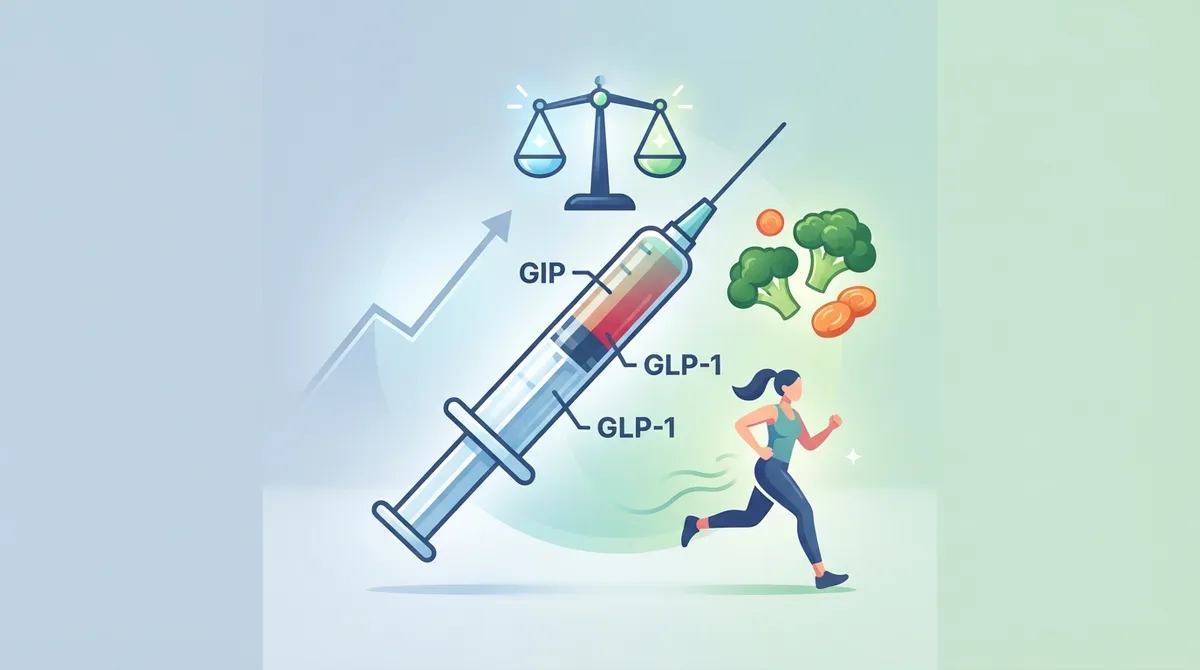
- Tirzepatide is a once-weekly injection that targets two hormone pathways (GIP and GLP-1) simultaneously, delivering stronger weight loss and blood sugar control results compared to single-hormone medications.
- Treatment requires gradual dose escalation starting at 2.5mg weekly and increasing to 12.5-15mg based on tolerance, with most gastrointestinal side effects resolving within weeks as your body adjusts.
- Eligibility typically requires BMI of 30+ or BMI 27+ with weight-related conditions like diabetes or high blood pressure, plus commitment to lifestyle changes and ongoing medical monitoring.
- Tirzepatide works best as part of a comprehensive plan combining medication, reduced-calorie diet, regular exercise, and structured support—not as a standalone solution for long-term weight management.
Weight loss medications have changed fast over the past few years, and tirzepatide medication is now one of the most talked-about options in primary care. Whether you first heard about it from a friend, a social media post, or your own doctor, you probably have questions about how it works and if it's right for you. This guide breaks down the facts in plain language, so you can make an informed choice about your health.
Tirzepatide is a once-weekly injection that helps manage blood sugar and supports weight loss. It's grown in popularity because it targets two hormone pathways instead of one, which often leads to stronger results. But like any medication, it works best when paired with expert guidance, regular monitoring, and a plan built around your specific needs. At InCare, our Weight Loss programs combine tirzepatide medication with personalized support to help patients in Tampa and Riverview reach their goals safely.

1. What Tirzepatide Medication Actually Is
Tirzepatide is sold under the brand name Mounjaro. It belongs to a class of drugs called dual GIP and GLP-1 receptor agonists. In simple terms, it mimics two natural hormones that control hunger, blood sugar, and how your body processes food.
This dual action sets it apart from single-hormone medications. It was first approved to help people manage type 2 diabetes. Over time, doctors found it also helped many patients lose significant weight, which led to its use in weight management programs as well.

2. How Tirzepatide Medication Works in the Body
Tirzepatide slows down digestion, which helps you feel full longer after meals. It also helps your body respond better to insulin, which keeps blood sugar levels more stable throughout the day.
Here's a simple breakdown of what happens once the medication is in your system:
- Slows stomach emptying, so food stays in your system longer
- Reduces appetite and cravings between meals
- Improves the way your body uses insulin
- Helps lower blood sugar spikes after eating
- Supports steady, gradual weight loss over time
3. Who Might Be a Good Candidate
Not everyone qualifies for tirzepatide medication. Doctors typically look at your body mass index, or BMI, along with any related health conditions before recommending it.
Common eligibility factors include:
- A BMI of 30 or higher, classified as obesity
- A BMI of 27 or higher with a weight-related condition, such as high blood pressure or type 2 diabetes
- A history of unsuccessful attempts at weight loss through diet and exercise alone
- No personal or family history of certain thyroid cancers
- Willingness to commit to lifestyle changes alongside the medication
Guidance used in structured care settings often points to a BMI of 35 or higher with at least one weight-related health issue as a starting threshold. Your provider will review your full health history to confirm if you're a fit. A visit with a Primary Care provider is the best first step to find out.
4. Starting Dose and How Titration Works
Tirzepatide is not a one-size-fits-all dose. Treatment usually starts low and increases slowly to help your body adjust and reduce side effects.
StageTypical DosePurposeStarting Dose2.5 mg once weeklyAllows the body to adjust to the medicationEarly Titration5 mg once weeklyBegins to increase effectiveness for weight and blood sugarMid Titration7.5 mg to 10 mg once weeklyBuilds on progress while monitoring toleranceHigher Maintenance12.5 mg to 15 mg once weeklyUsed for patients who need or tolerate higher doses
The medication comes in a prefilled, multidose pen, and it's injected under the skin once every seven days. Your provider will guide you through each step of the increase, adjusting the schedule based on how you respond.
5. Common Side Effects to Expect
Most side effects tend to be mild and connect back to digestion. Since the medication changes how your stomach processes food, some discomfort is common, especially early on.
The most frequently reported side effects include:
- Nausea, especially after starting or increasing the dose
- Vomiting or an upset stomach
- Diarrhea or changes in bowel habits
- Reduced appetite
- Mild fatigue during the adjustment period
Most symptoms fade as your body adjusts over several weeks. If side effects become severe or don't improve, contact your care team right away. Same-day support is available through Urgent Care if you need immediate help.
6. Diet and Exercise Still Matter
Tirzepatide medication is not a replacement for healthy habits. It works best as part of a bigger plan that includes better food choices and regular movement.
Guidance for weight management consistently pairs the medication with a reduced-calorie diet and increased physical activity. Structured support, like counseling or coaching, also improves outcomes. This is why medical weight loss programs often include more than just a prescription.
7. Tirzepatide for Diabetes vs. Weight Management
While the medication itself is the same, the way it's used can differ depending on your health goals. Understanding this difference helps set the right expectations.
Use CasePrimary GoalMonitoring FocusType 2 DiabetesImprove blood sugar controlA1C levels, glucose readingsWeight ManagementSupport meaningful weight lossBody weight, BMI, related health markers
Both uses require regular check-ins with a provider. Bloodwork, weight tracking, and honest conversations about side effects all play a role in successful treatment, whether your main goal is diabetes control or weight loss.
8. How Long Treatment Typically Lasts
Tirzepatide is not meant for short-term use. Since obesity and type 2 diabetes are long-term conditions, treatment often continues for many months or longer.
Some structured care pathways allow for treatment periods of up to 24 months, with regular reviews along the way. Your provider will check your progress at set intervals to decide if you should continue, adjust your dose, or eventually taper off. This is why ongoing care through a trusted Providers team matters so much.
9. What Monitoring and Follow-Up Look Like
Regular monitoring is a core part of safe tirzepatide medication use. This isn't a medication you start and forget about.
Typical follow-up steps include:
- Baseline bloodwork and health history review before starting
- Check-ins during the first few months to track side effects
- Periodic weigh-ins and BMI tracking
- Lab work to monitor blood sugar and other markers
- Dose adjustments based on how your body responds
- Long-term reviews to decide on continued treatment
Tools like Body Composition analysis and Metabolic Breath Analysis can give a clearer picture of your progress beyond the number on the scale. These insights help your care team fine-tune your treatment plan over time.
10. Choosing the Right Care Team for Support
Getting a prescription is only one part of the process. The quality of support around that prescription often determines whether the treatment actually works long-term.
Look for a care team that offers:
- A thorough health evaluation before starting treatment
- Clear explanation of dosing and what to expect
- Easy access for questions or side effect concerns
- Nutrition and lifestyle guidance alongside the medication
- Ongoing monitoring, not just a one-time prescription
InCare's approach combines medical expertise with personalized attention. Many patients also explore complementary services like Iv Hydration Vitamin Drips or Dna Gene Testing to support overall wellness while on treatment. You can also see what real patients say by visiting our Instagram page or checking updates on Facebook.
According to reporting linked to NHS England guidance, an estimated 3.4 million people may be eligible for tirzepatide under current clinical criteria, with roughly 220,000 identified for early phased access through primary care over the first three years. These numbers reflect just how widespread interest in this treatment has become, both in national health systems and in private care settings across the United States.
Why Local, Personalized Care Matters
Weight loss and diabetes medications are not one-size-fits-all tools. Your body, your health history, and your goals are unique, which is why cookie-cutter online prescriptions often fall short.
InCare's Tampa and Riverview locations offer in-person evaluations, lab testing, and ongoing follow-up that online-only services can't match. Our team looks at your whole health picture, not just your weight, before recommending any treatment plan. Patients consistently share positive experiences, and you can read more of these stories or visit us on Google — InCare to see reviews from people in your community.
For readers curious about broader weight loss trends, the Centers for Disease Control and Prevention offers helpful background on obesity and related health risks nationwide. Combining this kind of public health information with personalized medical guidance gives you the clearest path forward.
Getting Started With Tirzepatide Medication
If you're considering tirzepatide medication, the first step is a conversation with a qualified provider. They'll review your health history, discuss your goals, and determine if this treatment fits your situation.
InCare makes this process simple with locations in Tampa and Riverview, plus virtual appointment options for busy schedules. Our providers, including Naveen Paddu Md, Pramjeet Ahluwalia Md, and Teshy John Md, bring years of experience to every weight management and primary care visit.
Ready to explore whether tirzepatide medication is right for you? Book your appointment today and take the first step toward a personalized weight management plan. You can also reach out to our team with any questions before your visit. For more tips and updates on wellness trends, follow InCare on Tik Tok.
FAQs
Q: What is tirzepatide and how does it work?
A: Tirzepatide is a once-weekly injectable medication that activates two hormone receptors, GIP and GLP-1, to help control blood sugar and reduce appetite. It slows digestion and improves insulin response, which supports both diabetes management and weight loss.
Q: Is tirzepatide available through primary care for weight loss?
A: Yes, tirzepatide can be prescribed in primary care settings for eligible patients when combined with a reduced-calorie diet and increased physical activity. Structured support and monitoring are typically required alongside the prescription.
Q: Who is eligible for tirzepatide treatment?
A: Eligibility generally depends on BMI and the presence of weight-related health conditions, such as type 2 diabetes or high blood pressure. A provider will review your full medical history to confirm if tirzepatide medication is appropriate for your situation.
Q: What side effects are most common with tirzepatide?
A: The most common side effects are gastrointestinal, including nausea, vomiting, and diarrhea. These symptoms are usually mild and tend to improve as your body adjusts to the medication over several weeks.
Q: How long can patients stay on tirzepatide treatment?
A: Treatment duration varies based on individual progress and provider recommendations, with some structured programs allowing up to 24 months of continuous use. Regular follow-up appointments help determine whether to continue, adjust, or stop treatment.