Key Takeaways
- Kisspeptin acts as a key that activates GnRH neurons to trigger puberty and fertility; disruptions in this signaling pathway directly cause Kallmann syndrome and congenital hypogonadotropic hypogonadism.
- Reduced or absent sense of smell is the defining distinguishing feature of Kallmann syndrome compared to normosmic CHH, occurring because GnRH and olfactory nerves develop together during fetal growth.
- Early recognition through primary care screening—including pubertal history, smell assessment, and baseline hormone testing—can accelerate diagnosis and referral to endocrinologists for timely treatment.
- Kallmann syndrome requires lifelong treatment combining sex-steroid replacement for puberty and bone health with gonadotropin injections or pulsatile GnRH therapy specifically for patients pursuing fertility.
- Associated conditions beyond reproductive issues—including kidney abnormalities, hearing loss, cleft palate, and skeletal irregularities—require comprehensive physical examination during diagnosis workup.
- Genetic counseling is recommended for family members since Kallmann syndrome follows variable inheritance patterns (X-linked, autosomal dominant, or recessive) with a 3:1 to 5:1 male-to-female predominance.
Delayed puberty and unexplained low hormone levels can feel confusing and isolating. For some patients, the root cause traces back to a rare condition called Kallmann syndrome, which is tied to a hormone signal called kisspeptin. Understanding this connection helps patients and families know what questions to ask and when to seek specialized care. This guide breaks down the science in plain language and explains how a primary care visit can be the first step toward answers.
At InCare, our providers in Tampa and Riverview see patients with all kinds of hormone concerns, from fatigue to fertility struggles. While kisspeptin testing itself remains a research tool, recognizing the signs of Kallmann syndrome early can lead to faster referrals and better long-term outcomes. Here are 10 key facts everyone should know about kisspeptin and Kallmann syndrome.
1. Kallmann Syndrome Is a Rare Hormone Disorder
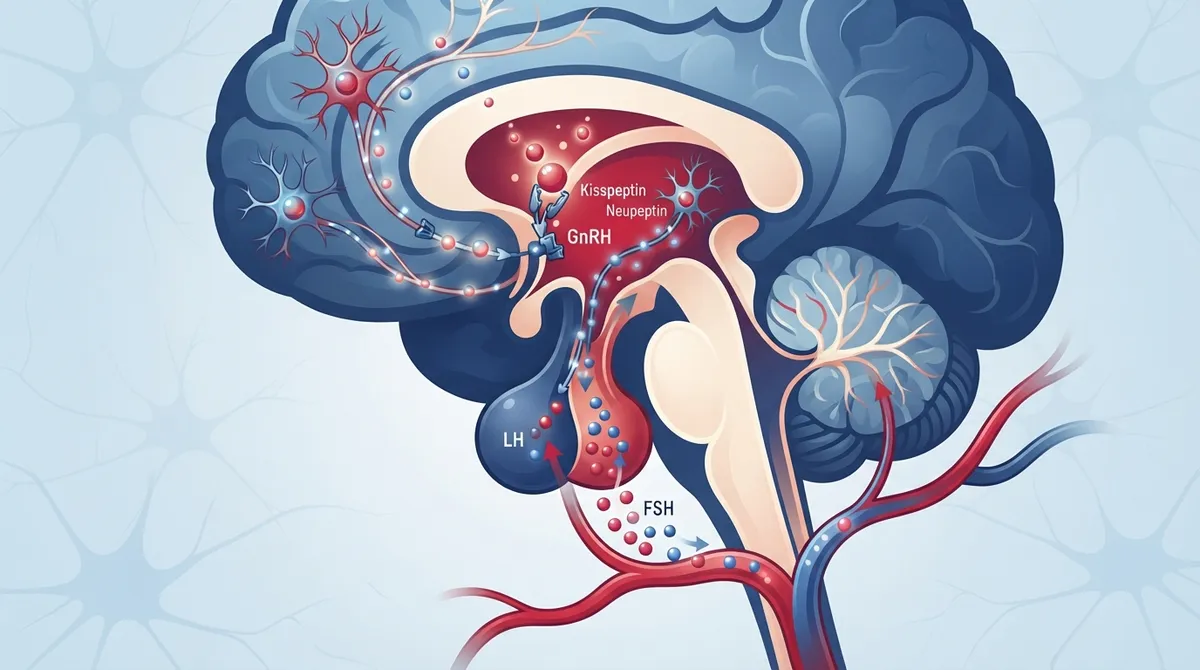
Kallmann syndrome (KS) is a form of congenital hypogonadotropic hypogonadism, or CHH. This means the brain does not send proper signals to the reproductive organs. The hypothalamus fails to release enough gonadotropin-releasing hormone, or GnRH. Without this hormone, the pituitary gland cannot release luteinizing hormone (LH) and follicle-stimulating hormone (FSH). These two hormones drive puberty and fertility in both men and women.
CHH is estimated to affect roughly 1 in 4,000 to 10,000 people, though estimates vary widely based on the population studied. KS represents the subset of CHH patients who also have a reduced or absent sense of smell.
2. Kisspeptin Is the Key That Unlocks Puberty
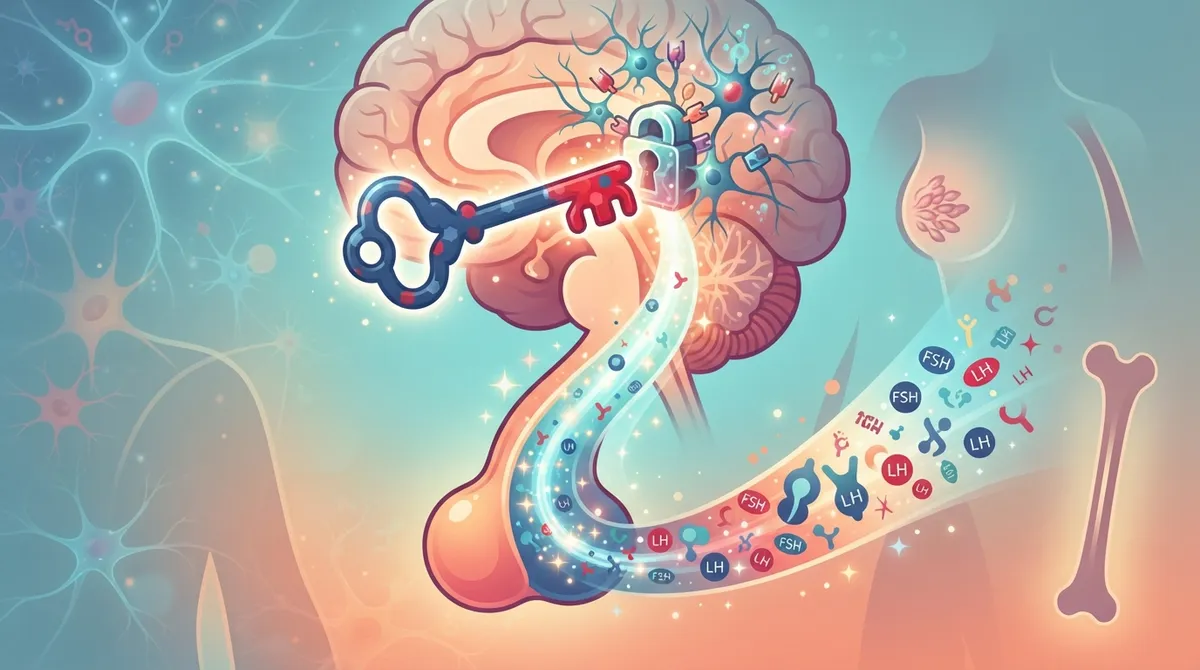
Kisspeptin is a natural signaling molecule made in the hypothalamus. It acts like a key, activating a receptor called KISS1R (also known as GPR54) found on GnRH neurons. When kisspeptin binds to this receptor, it tells the brain to start releasing GnRH. This kicks off the hormone cascade that leads to puberty and ongoing fertility.
Without working kisspeptin signaling, the whole reproductive hormone chain can break down. Some cases of CHH are directly caused by mutations in the KISS1 or KISS1R genes, though many other genes are also involved in Kallmann syndrome.
3. Smell Loss Is the Defining Clue
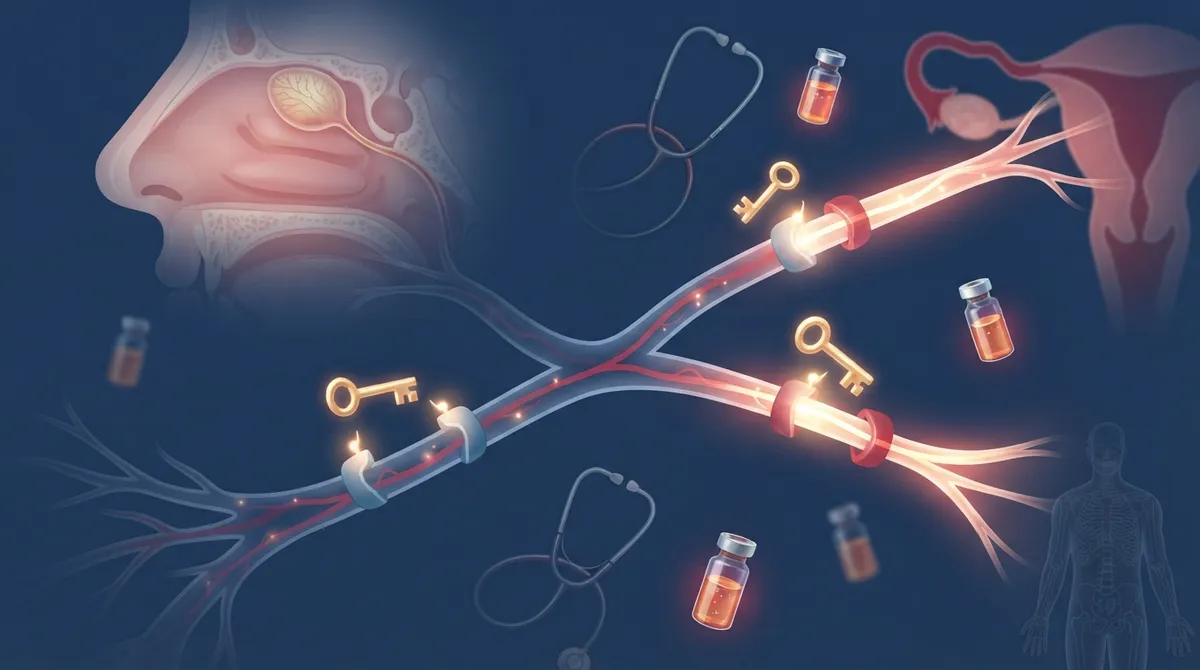
The feature that separates Kallmann syndrome from normosmic CHH is smell. People with KS have hyposmia (reduced smell) or anosmia (no smell at all). This happens because the nerve cells that produce GnRH develop alongside the nerves responsible for smell during early fetal growth. When this shared developmental pathway is disrupted, both systems can be affected.
About 50% of people with CHH have some degree of smell impairment, which places them in the Kallmann syndrome category rather than normosmic CHH.
4. Early Signs Look Different in Boys and Girls
Recognizing symptoms early can make a real difference in diagnosis and treatment. Common signs primary care providers watch for include the following:
- Absent or delayed puberty by age 13 in girls or age 14 in boys
- No menstrual periods by age 16 in girls (primary amenorrhea)
- Small testes or undescended testicles in male infants
- Micropenis noted at birth
- Reduced or absent sense of smell
- Low energy, low libido, or unexplained infertility in adults
- Poor bone density or reduced muscle mass
In male infants, a missed neonatal "minipuberty" can cause micropenis or undescended testes. Studies show cryptorchidism appears in roughly 24% to 70% of males with KS or CHH, while micropenis has been reported in about 8% to 32% of cases.
5. Kallmann Syndrome Can Involve Other Body Systems
Because the genes involved in Kallmann syndrome affect more than just reproductive hormones, other health issues can appear alongside it. These associated findings may include:
- Kidney abnormalities present from birth
- Hearing loss
- Dental problems or missing teeth
- Cleft lip or cleft palate
- Abnormal eye movements
- Skeletal irregularities, including issues with finger or bone structure
- Certain heart abnormalities
This is why a thorough physical exam and health history are so important during evaluation. A comprehensive primary care visit can catch clues that might otherwise be missed.
6. Diagnosis Starts With a Primary Care Visit
Most patients first bring up concerns about delayed puberty, infertility, or low energy during a routine checkup. A primary care provider plays a critical role in the early steps of diagnosis. The evaluation typically follows this sequence:
- Review of pubertal history and family history of delayed puberty or infertility
- Screening questions about sense of smell
- Physical examination, including growth patterns and reproductive development
- Morning blood tests to check LH, FSH, and testosterone or estradiol levels
- Additional labs such as thyroid function and prolactin to rule out other causes
- Pregnancy testing when relevant to rule out other explanations for missed periods
- Referral to endocrinology if hormone levels remain abnormally low
If you have never had a full annual wellness visit, this is a good place to start raising these concerns with your provider.
7. Specialist Testing Confirms the Diagnosis
When labs suggest CHH or Kallmann syndrome, an endocrinologist typically orders more advanced testing. This may include a brain and pituitary MRI, formal smell testing, and genetic testing to identify a possible causative gene. It is worth noting that a specific genetic cause is found in only about 40% of patients, since many genes involved in GnRH neuron development remain undiscovered.
The table below compares key testing options patients may encounter during a full workup.
|
Test |
Purpose |
Setting |
|---|---|---|
|
LH, FSH, testosterone/estradiol |
Confirm low gonadotropin and sex hormone levels |
Primary care or lab |
|
Smell testing |
Distinguish Kallmann syndrome from normosmic CHH |
Specialist office |
|
Brain/pituitary MRI |
Rule out structural causes of hormone deficiency |
Imaging center |
|
Genetic testing |
Identify causative gene when possible |
Specialist-ordered lab |
|
Kisspeptin-54 stimulation |
Research tool to distinguish CHH from healthy controls |
Research/specialist setting |
8. Kisspeptin Testing Remains a Research Tool
Some studies have explored using kisspeptin injections to test how the body responds, since this can help separate CHH patients from those without the condition. One exploratory study found that kisspeptin-54 stimulation identified CHH with near-perfect accuracy, outperforming standard GnRH stimulation tests. However, this approach is not yet part of routine primary care testing. It remains limited to research settings and specialized endocrinology clinics.
This means that while kisspeptin research is promising, patients should not expect this test at a standard wellness visit. Instead, primary care focuses on recognizing symptoms and coordinating referrals.
9. Treatment Focuses on Hormones and Fertility
Treatment for Kallmann syndrome is usually lifelong and depends on each patient's goals. Sex-steroid replacement therapy, such as testosterone or estrogen, helps induce puberty, supports bone strength, and improves overall quality of life. However, hormone replacement alone does not typically restore fertility.
For patients who want to conceive, fertility treatment usually requires gonadotropin injections or pulsatile GnRH therapy delivered through a specialist. These options stimulate the reproductive organs more directly than standard hormone replacement. Ongoing monitoring is also essential and should include:
- Bone density scans to track osteoporosis risk
- Cardiovascular and metabolic health checks
- Sexual function and quality of life reviews
- Mental health support, since chronic conditions can affect mood and self-esteem
- Regular follow-up to confirm treatment adherence and effectiveness
Interestingly, about 10% to 20% of CHH patients experience spontaneous recovery of reproductive hormone function over time, though relapse can happen. This makes long-term specialist monitoring important even after initial treatment.
10. Genetic Counseling Matters for Families
Kallmann syndrome can run in families, though inheritance patterns vary depending on the gene involved. Some cases follow an X-linked pattern, while others are autosomal dominant or recessive. Because of this variability, genetic counseling is often recommended for close relatives, especially siblings and children of an affected person.
CHH also shows a notable male predominance, with reports suggesting a ratio of roughly 3:1 to 5:1 compared to females. Reported prevalence figures vary as well, with some studies estimating about 1 in 30,000 males and 1 in 125,000 females, while others report different ranges closer to 1 in 8,000 to 10,000 males. This variability underscores why individualized genetic evaluation is so valuable for families trying to understand their own risk.
Why Primary Care Is the Right Starting Point
Many patients delay seeking help because delayed puberty or fertility struggles feel embarrassing to discuss. But early recognition through a trusted primary care relationship can shorten the path to diagnosis and treatment. Our team at InCare in Tampa and Riverview takes time to listen to patient histories, order appropriate baseline testing, and connect patients with the right specialists when needed.
We also support long-term wellness through services like DNA gene testing, body composition analysis, and hormone-focused care that complements specialist treatment for conditions like Kallmann syndrome. Our providers, including Dr. Pramjeet Ahluwalia and Dr. Naveen Paddu, work to build lasting relationships so patients feel comfortable raising sensitive health concerns.
Patients considering their options for hormone-related concerns may also find value in learning more about how kisspeptin functions in fertility more broadly, since this signaling pathway affects reproductive health well beyond Kallmann syndrome. You can also follow our latest health updates on Facebook or see patient education content on Instagram and TikTok.
What to Expect When You Bring This Up With Your Doctor
If you suspect delayed puberty or unexplained hormone issues in yourself or a family member, here is a simple approach to prepare for your visit:
- Write down when puberty symptoms started, or note if they never started
- Track any changes in sense of smell over the years
- List any family members with similar delayed puberty or fertility struggles
- Note any current symptoms like low energy, low libido, or irregular periods
- Ask your provider about baseline hormone testing
This preparation helps your provider move efficiently toward the right next steps, whether that means basic labs or a referral to an endocrinologist.
Patients in the Tampa Bay area have shared positive experiences with our approach to hormone health, and you can visit us on Google — InCare to read more reviews from our community. Our Riverview and Tampa clinics are designed to make these sometimes difficult conversations feel comfortable and productive.
Take the Next Step Toward Answers
Kallmann syndrome and kisspeptin-related hormone concerns deserve careful, informed care. Whether you are noticing delayed puberty in a child or experiencing unexplained fertility issues as an adult, a knowledgeable primary care team can help guide you toward the right diagnosis and treatment path. Ready to talk through your symptoms with a provider who listens? Book Your Appointment Today and take the first step toward clarity and better hormone health.
FAQs
Q: What is the connection between kisspeptin and Kallmann syndrome?
A: Kisspeptin activates the KISS1R receptor on GnRH neurons, triggering the hormone signals needed for puberty and fertility. In Kallmann syndrome, disruptions in this pathway or in GnRH neuron development prevent normal hormone release, leading to absent or delayed puberty.
Q: How does Kallmann syndrome differ from ordinary delayed puberty?
A: Ordinary delayed puberty often resolves on its own as a child gets older. Kallmann syndrome is a permanent condition caused by a failure in GnRH signaling, and it is typically accompanied by a reduced or absent sense of smell, which does not occur in normal delayed puberty.
Q: Can Kallmann syndrome cause infertility, and can fertility be restored?
A: Yes, Kallmann syndrome commonly causes infertility because the body does not produce enough reproductive hormones. Fertility can often be achieved with specialist treatment using gonadotropin injections or pulsatile GnRH therapy, though standard hormone replacement alone usually does not restore fertility.
Q: Is kisspeptin testing or treatment available in routine clinical practice?
A: Not yet. Kisspeptin stimulation testing has shown strong accuracy in research studies for identifying hypogonadotropic hypogonadism, but it remains a research and specialist tool rather than a standard test used in routine primary care.
Q: Does Kallmann syndrome run in families, and should relatives receive genetic counseling?
A: Kallmann syndrome can be inherited through several different genetic patterns, including X-linked, autosomal dominant, and autosomal recessive forms. Because of this, genetic counseling is often recommended for close family members to better understand their own risk.