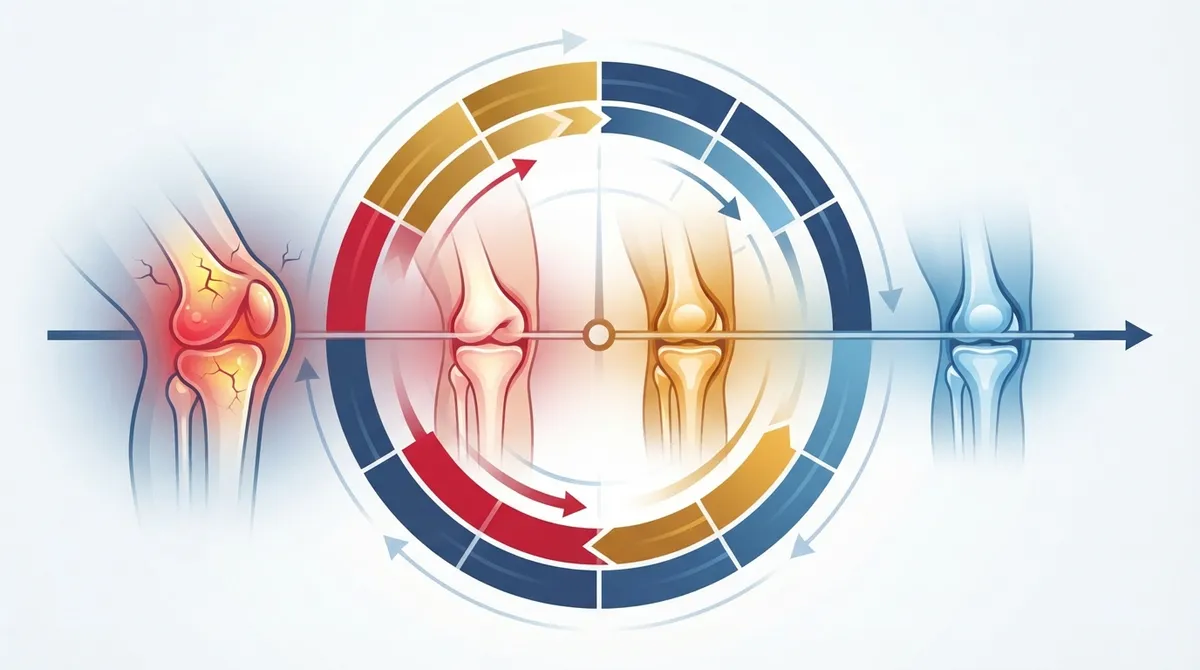
Key Takeaways
- BPC-157 cycle lengths typically range from 4-12 weeks depending on injury type: 4-6 weeks for acute injuries, 6-8 weeks for tendon/joint issues, and 8-12 weeks for chronic or post-surgical recovery.
- No human clinical trials establish official BPC-157 dosing standards; cycle recommendations come from practitioner experience and community protocols, making provider guidance essential for safe, personalized use.
- Off-cycles of 2-4 weeks (or equal to on-cycle length) should follow active BPC-157 use to minimize continuous exposure risks, and continuous use beyond 12 weeks is generally discouraged.
- Before starting a cycle, discuss with your provider your specific condition type, progress tracking methods, potential medication interactions, and whether a second cycle will be appropriate.
Peptide therapy has become one of the most talked-about topics in wellness clinics across Tampa and Riverview. Among the most popular peptides discussed today is BPC-157, often mentioned for its role in supporting tendon, joint, and gut recovery. But one question comes up again and again: how long should a BPC-157 cycle actually last? The answer is not as simple as picking a number off the internet. Cycle length depends on the type of injury, individual health history, and medical supervision.
This guide breaks down what current wellness sources say about BPC-157 cycle length, why cycling matters, and how a qualified provider helps you approach peptide therapy safely. Whether you are a busy parent looking into recovery options or a wellness-focused professional exploring advanced therapies, this article gives you a clear, practical breakdown. As always, this content is for educational purposes and should not replace a conversation with a licensed medical provider.

1. Understand What "Cycle Length" Actually Means
In wellness and peptide circles, a "cycle" simply means the period of time someone uses a compound before taking a break. For BPC-157, this typically means a set number of weeks "on," followed by weeks "off." The idea is to give the body a rest period and avoid unnecessary long-term exposure.
Because BPC-157 is not FDA-approved for human use, there is no official clinical dosing chart. Most cycle length recommendations come from practitioner experience and community protocols rather than large human trials.

2. The Most Common BPC-157 Cycle Ranges
Across wellness guides and practitioner sources, a few patterns show up again and again. These are not strict rules, but they represent the most frequently cited starting points.
- 4 to 6 weeks for acute soft-tissue injuries, such as a sprained ankle or minor strain
- 6 to 8 weeks as a common standard protocol window for tendon or joint concerns
- 8 to 12 weeks for chronic pain or post-surgical recovery support
- 2 to 6 weeks for milder, injury-specific use depending on severity
- 12 weeks as a general upper limit before a mandatory break
These ranges give people a starting framework, but the right length always depends on your specific situation and how your body responds.
Table 1: Common BPC-157 Cycle Length Patterns
Use CaseTypical Cycle LengthNotesAcute soft-tissue injury4-6 weeksShorter cycles often used for sprains and minor strainsTendon or joint concerns6-8 weeksCited as a common standard protocol windowChronic or post-surgical recovery8-12 weeksLonger cycles used for more complex recovery needsMild, injury-specific use2-6 weeksLength varies with severity of the issueMaximum continuous useUp to 12 weeksContinuous use beyond this is generally discouraged
3. Why Off-Cycles Matter
Most wellness sources agree that a break, or "off-cycle," should follow any active BPC-157 period. This off-cycle is thought to give the body time to reset and reduces the risk of long-term, uninterrupted exposure to a peptide that lacks extensive human safety data.
- Common off-cycle length: 2 to 4 weeks
- Alternative approach: an off-cycle roughly equal to the length of the on-cycle
- Some practitioners recommend reassessing symptoms before starting a new cycle
- Repeated cycling without breaks is generally discouraged in wellness guidance
- Any new cycle should be discussed with a provider familiar with your health history
4. Acute Injuries vs. Chronic Conditions
The type of issue you're addressing plays a major role in determining cycle length. Acute injuries, like a recent ligament sprain, are often approached with shorter cycles. Chronic conditions or post-surgical recovery, on the other hand, are more often discussed in the context of longer 8-to-12-week windows.
This distinction matters because using a short cycle for a chronic issue may not allow enough time to assess results, while using an unnecessarily long cycle for a minor injury increases exposure without added benefit. A knowledgeable peptide therapy team can help match the approach to the actual condition.
5. No Human Clinical Trials Define an Official Standard
It's important to be transparent: there is currently no published human cycling randomized controlled trial that establishes an evidence-based BPC-157 cycle length. Most of what circulates online comes from practitioner experience, animal studies, or community-shared protocols rather than rigorous clinical research.
This doesn't mean the compound has no interest from the wellness community. It simply means cycle length decisions should be made cautiously, ideally with input from a provider who understands current research limitations and safety considerations.
Table 2: Cycle Length by Source Type
Source TypeCommon Cycle GuidancePractitioner protocol guides6-8 weeks standardInjury-severity based guides2-6 weeksChronic/post-surgical guides8-12 weeksHuman clinical trialsNone established
6. Signs You May Need to Reassess Your Cycle
Whether you're four weeks in or approaching the 12-week mark, certain signs suggest it's time to pause and reassess with your provider.
- No noticeable improvement after several weeks of use
- New or worsening symptoms during the cycle
- Reaching the commonly discussed 12-week continuous-use limit
- Uncertainty about whether the current issue is acute or chronic
- Interest in combining BPC-157 with other wellness therapies
If any of these apply to you, scheduling a check-in is a smart move before continuing or restarting a cycle.
7. How Providers Help Personalize Cycle Decisions
A wellness-focused provider looks at more than just a generic chart. They consider your medical history, the nature of your injury or condition, and how your body has responded to other treatments. This personalized approach is especially valuable given the lack of standardized human research.
At clinics offering advanced wellness services, providers often combine peptide discussions with broader health assessments, including DNA gene testing and body composition analysis, to build a more complete picture of your health before recommending any protocol.
8. Safety Considerations for Longer Cycles
Continuous use beyond roughly 12 weeks is commonly discouraged across wellness guidance. The main concern is simple: there isn't enough long-term human safety data to confidently support extended, uninterrupted use.
- Limited long-term human safety studies exist for BPC-157
- Extended cycles increase theoretical exposure risk without added proven benefit
- Off-cycles are recommended to reduce continuous exposure
- Any side effects during a cycle should be reported to a provider immediately
- Combining peptides without medical guidance increases uncertainty
According to information compiled by the National Center for Biotechnology Information, many peptide compounds still require further human research before safety and efficacy can be fully established. This reinforces the importance of working with a provider rather than self-directing a cycle based on online forums alone.
9. Where BPC-157 Fits Within a Broader Wellness Plan
BPC-157 is often discussed alongside other recovery-focused strategies, including nutrition, physical therapy, and hydration support. Many wellness seekers pair peptide discussions with IV hydration and vitamin drips to support overall recovery and energy levels during an active cycle.
For those managing chronic conditions, a primary care relationship ensures that any peptide discussion happens within the context of your full health picture, not as an isolated decision. This is especially important for busy parents or professionals juggling multiple health priorities at once.
10. Questions to Ask Before Starting a Cycle
Before starting any BPC-157 cycle, it helps to walk into the conversation prepared. Here are questions worth bringing to your provider visit.
- What cycle length fits my specific condition, acute or chronic?
- How will we track progress during the cycle?
- What off-cycle length do you recommend for my situation?
- Are there any interactions with my current medications or conditions?
- How do we decide if a second cycle is appropriate later?
Bringing these questions to your first appointment helps set realistic expectations and keeps your wellness plan grounded in your actual needs rather than generic online advice.
Finding the Right Support for Peptide Therapy Decisions
Choosing the right cycle length isn't something to figure out alone based on scattered online sources. It requires a provider who understands current wellness research, listens to your specific goals, and monitors your progress along the way. Patients across Tampa and Riverview have shared their experiences with InCare's approach to personalized care, and you can visit us on Google — InCare to read what others have said about their visits.
InCare also shares educational updates and patient stories on Facebook, Instagram, and TikTok, giving you more ways to stay informed between visits.
Final Thoughts on BPC-157 Cycle Length
BPC-157 cycle length isn't a one-size-fits-all number. Most guidance points to 4-to-12-week active cycles, followed by a break, but the right choice depends on your condition, health history, and provider input. Because human clinical research remains limited, working with an experienced team matters more than ever.
If you're considering peptide therapy or want to explore whether it fits your wellness goals, our team at InCare in Tampa and Riverview is ready to help you build a plan built around your health, not guesswork. Book your appointment today or reach out to our team with any questions before you get started.
FAQs
Q: How long should a BPC-157 cycle be?
A: Most wellness sources cite ranges between 4 and 12 weeks, depending on whether the concern is acute or chronic. A provider can help determine the right length based on your specific condition and health history.
Q: What is the typical off-cycle after BPC-157?
A: A common off-cycle range is 2 to 4 weeks, though some practitioners recommend a break roughly equal to the length of the active cycle. This rest period helps limit continuous exposure.
Q: Is there clinical research supporting BPC-157 cycle length in humans?
A: No published human cycling randomized controlled trial currently establishes an official BPC-157 cycle length. Most guidance comes from practitioner experience rather than large-scale clinical studies.
Q: Can BPC-157 be taken continuously without cycling?
A: Continuous use beyond roughly 12 weeks is generally discouraged in wellness guidance due to limited long-term human safety data. Cycling with planned breaks is the more commonly recommended approach.
Q: How do providers decide BPC-157 cycle length for chronic pain or injury?
A: Providers typically consider the nature of the condition, your medical history, and how your body responds during the cycle. Chronic or post-surgical cases are often approached with longer 8-to-12-week windows compared to acute injuries.