Key Takeaways
- Most STDs like chlamydia and gonorrhea have no symptoms and can persist for months or years undetected, making routine testing essential to prevent unknowing transmission to partners.
- Sexually active women under 25 need annual chlamydia and gonorrhea screening to prevent serious complications like pelvic inflammatory disease and infertility.
- Men who have sex with men require testing at multiple anatomical sites (urethral, rectal, pharyngeal) because 70% of infections are missed with urine-only testing.
- All adults ages 13-64 should receive at least one HIV test as standard preventive care, with high-risk individuals tested annually for early detection.
- Most bacterial STDs are fully curable with antibiotics when detected early, and routine screening reduces infection duration by 4-8 weeks, lowering transmission risk.
- STD testing can be incorporated into routine wellness visits without requiring separate appointments, and all 50 states allow minors confidential testing without parental consent.
Sexual health is a vital part of your overall wellness. Yet STD testing is one of the most overlooked preventive services in primary care. Many people do not know when to get tested, what tests they need, or where to go. This leads to infections going undetected for months or even years.
The good news is that modern primary care makes STD testing simple, confidential, and accessible. Routine screening catches infections early, reduces complications, and protects your partners. Guidelines from the CDC and USPSTF have made it easier than ever to know exactly who needs testing and how often.
Whether you are a young adult, a busy parent, or someone taking charge of your health for the first time, this guide covers everything you need to know. Here are 15 key facts about STD testing that every sexually active adult should understand in 2026.

1. STD Testing Is a Core Preventive Service
STD testing is not just for people with symptoms. It is a standard part of preventive healthcare. The USPSTF gives A and B grades to screening for chlamydia, gonorrhea, HIV, and syphilis. This means these tests are considered essential preventive services covered under most insurance plans at no cost to the patient.

2. Most STDs Have No Symptoms
This is the most important reason to get tested regularly. Chlamydia, gonorrhea, and HIV can exist in the body for months or years without obvious symptoms. Without testing, you may unknowingly transmit an infection to a partner.

3. Everyone Ages 13–64 Should Be Tested for HIV at Least Once
The CDC recommends that every person between the ages of 13 and 64 receive at least one HIV test as part of routine care. Adults at higher risk should be tested annually. This one-time baseline test can be life-changing and potentially lifesaving.

4. Women Under 25 Need Annual Chlamydia and Gonorrhea Screening
The CDC recommends annual chlamydia and gonorrhea screening for all sexually active women under 25. Women 25 and older who have new or multiple partners, or other risk factors, should also be screened annually. Early detection prevents serious complications like pelvic inflammatory disease and infertility.
5. Pregnant Women Require Multiple STD Screenings
All pregnant women should be tested for chlamydia, gonorrhea, syphilis, and HIV at their first prenatal visit. Women under 25 or at high risk should be retested in the third trimester. These screenings protect both the mother and the developing baby from serious complications.
STD Who Should Be Screened Frequency Chlamydia Sexually active women under 25; women 25+ at increased risk Annually Gonorrhea Sexually active women under 25; women 25+ at increased risk Annually HIV Everyone ages 13–64; high-risk adults Once; annually if high-risk Syphilis Most sexually active adults; high-prevalence areas Annually All four All pregnant women First prenatal visit; repeat if high-risk
6. Men Who Have Sex With Men Need More Frequent Testing
Sexually active men who have sex with men (MSM) should be screened at least once a year for HIV, syphilis, chlamydia, and gonorrhea. Those with multiple or anonymous partners should be screened every 3 to 6 months. This frequency is critical for early detection and reducing transmission in high-risk networks.
7. Urogenital-Only Testing Misses Most Infections in MSM
This is a critical and often overlooked fact. Studies show that approximately 70% of gonococcal and chlamydial infections in men who have sex with men are found at rectal or pharyngeal sites only. Testing urine or urethral swabs alone misses the majority of these infections. Comprehensive testing at multiple sites is essential for accurate results.
8. Testing Methods Depend on the Infection Site
Different infections require different sample types. Here is a quick overview:
- Urine samples: Used for urethral chlamydia and gonorrhea
- Rectal swabs: Required for rectal chlamydia and gonorrhea
- Throat swabs: Used for pharyngeal gonorrhea
- Blood draws: Required for HIV, syphilis, and hepatitis
- Vaginal swabs: Used for chlamydia, gonorrhea, and trichomoniasis
Your primary care provider will determine the right combination of tests based on your sexual history and risk factors.
9. Minors Can Consent to STD Testing Without a Parent
All 50 states allow minors to consent to STI testing and treatment confidentially. This means teenagers and young adults can seek testing at a primary care clinic without parental involvement. This policy is designed to remove barriers and encourage adolescents to take charge of their sexual health early.
10. Early Detection Significantly Reduces Infection Duration
Routine screening reduces infection duration by approximately 4 to 8 weeks depending on the site and type of infection. This matters because longer infections increase the risk of complications and transmission. Getting tested on schedule is one of the most effective things you can do to protect your health and others.
Benefit of Early Detection Impact Shorter infection duration Reduced by 4–8 weeks with routine screening Fewer complications Prevents PID, infertility, and organ damage Lower transmission risk Prompt treatment stops the spread to partners Better pregnancy outcomes Reduces risk of neonatal infection and preterm birth
11. STD Testing Can Be Part of a Routine Wellness Visit
You do not need a separate appointment just for STD testing. Many InCare patients incorporate STD screening into their annual wellness visits. This approach saves time and ensures that sexual health is treated as part of whole-body care, not as something separate or stigmatized.
If you are looking for a clinic that integrates sexual health into comprehensive care, visit one of our convenient locations in Tampa or Riverview, Florida.
12. Risk Assessment Is Done Before Testing
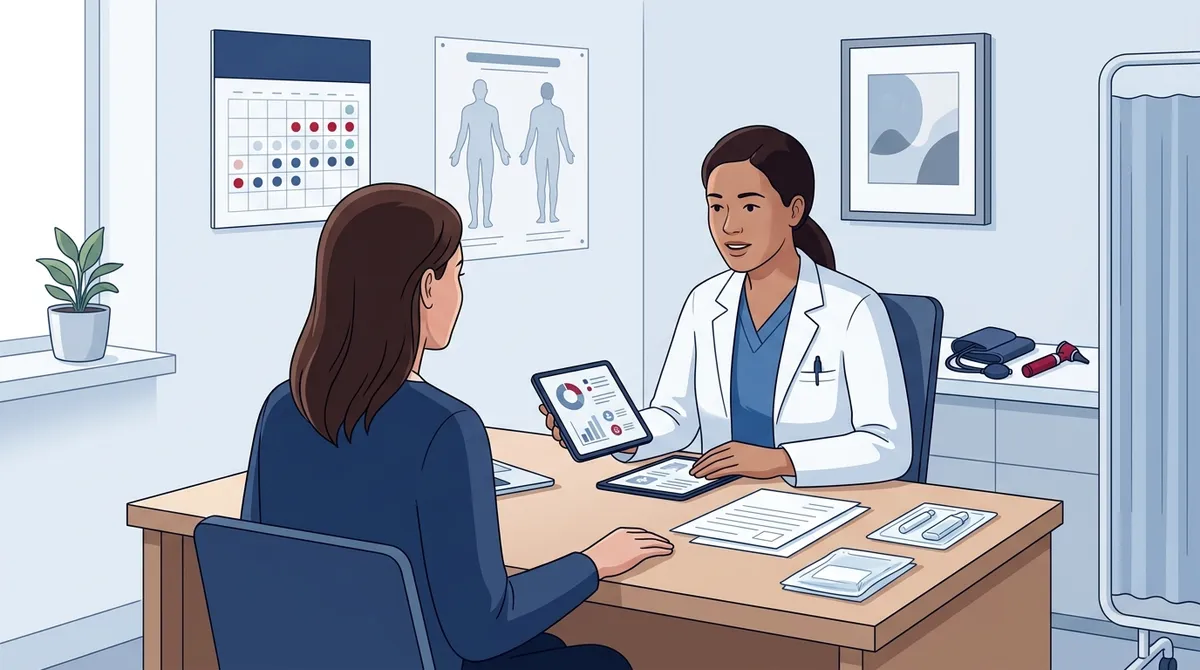
Before testing, your provider will conduct a brief risk assessment. This helps determine which tests you need and how often. Here is what that process typically involves:
- Review of your sexual history and number of partners
- Discussion of contraception and protection methods used
- Assessment of any prior STD diagnoses or treatments
- Evaluation of symptoms, even minor or vague ones
- Consideration of your overall wellness and immune health
This conversation is confidential and non-judgmental. Its only purpose is to ensure you receive the right tests for your situation.
13. What Happens After a Positive Result
A positive STD result does not need to be a crisis. Primary care providers are trained to guide patients through next steps clearly and compassionately. Here is what typically follows a positive test:
- Your provider contacts you confidentially with results
- A treatment plan is created, usually involving antibiotics or antivirals
- Partner notification guidance is offered
- Follow-up testing is scheduled to confirm treatment success
- Ongoing prevention strategies are discussed
Most bacterial STDs like chlamydia, gonorrhea, and syphilis are fully curable with the right treatment. Viral infections like HIV and herpes are manageable with modern medicine. You can visit our urgent care team for prompt treatment if needed.
14. STD Testing Supports Whole-Body Wellness Goals
Sexual health is deeply connected to your overall well-being. Untreated STDs can affect your immune system, reproductive health, mental health, and long-term quality of life. Incorporating STD screening into your wellness routine is just as important as cancer screenings, metabolic health checks, and other preventive services.
A truly comprehensive wellness plan addresses every aspect of your health, including sexual health. Follow InCare on Facebook and Instagram for wellness tips and health updates.
15. Telemedicine and Same-Day Testing Are Now Available
In 2026, accessing STD testing has never been more convenient. Many primary care clinics offer same-day or next-day testing, virtual risk assessments, and rapid result turnaround. This is ideal for busy young professionals, parents, and anyone with a demanding schedule who might otherwise delay care.
You can schedule your appointment online and get tested quickly, discreetly, and professionally. Check out more of our health content and patient tips on TikTok.
How to Choose the Right Primary Care Provider for STD Testing
Not all clinics offer the same level of comprehensive STD screening. When selecting a provider, look for these qualities:
- Confidential and non-judgmental care environment
- Testing at multiple anatomical sites when appropriate
- Integration of sexual health into overall wellness care
- Fast, accurate lab results with clear follow-up protocols
- Experienced providers who conduct proper risk assessments
- Telemedicine options for added convenience and privacy
Explore the InCare providers page to learn about our experienced medical team, including Dr. Pramjeet Ahluwalia and Dr. Teshy John, who provide compassionate, patient-centered care.
STD Testing Frequency by Population Group
Population Group Recommended Tests Frequency Sexually active women under 25 Chlamydia, Gonorrhea Annually Women 25+ at increased risk Chlamydia, Gonorrhea, Syphilis, HIV Annually All adults ages 13–64 HIV At least once MSM (standard risk) HIV, Syphilis, Chlamydia, Gonorrhea (multiple sites) Annually MSM (higher risk) HIV, Syphilis, Chlamydia, Gonorrhea (multiple sites) Every 3–6 months Pregnant women Chlamydia, Gonorrhea, Syphilis, HIV First prenatal visit + 3rd trimester if high-risk
Common Misconceptions About STD Testing
Many people delay testing because of myths or misunderstandings. Here are the most common ones — and the truth behind them:
- Myth: You will know if you have an STD. Truth: Most STDs cause no symptoms at all.
- Myth: Testing is only necessary after risky behavior. Truth: Routine annual testing is recommended regardless of perceived risk.
- Myth: A regular checkup includes STD testing. Truth: STD tests must be specifically requested or ordered based on risk assessment.
- Myth: STD testing is embarrassing or stigmatizing. Truth: Primary care providers treat sexual health with the same professionalism as any other medical concern.
For patients who want to take a proactive approach to all aspects of their health, services like DNA gene testing and body composition analysis can complement your standard preventive screenings and give you a fuller picture of your health.
Take the Next Step Toward Better Sexual Health
STD testing is one of the simplest and most impactful things you can do for your long-term health. Regular screening protects you, your partners, and your future. Whether this is your first time or you are updating your annual wellness routine, the right time to get tested is now.
InCare serves patients across Tampa and Riverview, Florida, offering a full spectrum of preventive care services in a welcoming, confidential environment. Our team is here to support your whole-body health — including your sexual health. Visit us on Google to read patient reviews and learn more about our clinic.
Ready to prioritize your health? Book your appointment today and take a confident step toward complete, comprehensive wellness.
FAQs
Q: Who should get routine STD testing in primary care?
A: The CDC recommends routine STD testing for all sexually active adults based on age, gender, and risk factors. This includes annual chlamydia and gonorrhea screening for women under 25, at least one HIV test for everyone ages 13 to 64, and annual syphilis screening for most sexually active adults in high-prevalence areas.
Q: How often do women under 25 need chlamydia and gonorrhea screening?
A: Sexually active women under 25 should be screened for both chlamydia and gonorrhea annually. Women aged 25 and older who have new or multiple partners or other risk factors should also receive annual testing. Regular screening prevents serious complications such as pelvic inflammatory disease and infertility.
Q: Can minors get STD testing without parental consent?
A: Yes. All 50 states allow minors to consent to STI testing and treatment confidentially, without requiring parental involvement. This policy is designed to reduce barriers and encourage young people to seek timely, appropriate sexual health care.
Q: What STD tests are recommended during pregnancy?
A: All pregnant women should be tested for chlamydia, gonorrhea, syphilis, and HIV at their first prenatal visit. Women under 25 or those at increased risk should be retested in the third trimester to protect both maternal and neonatal health.
Q: How is STD testing done in a primary care wellness visit?
A: STD testing during a wellness visit begins with a confidential risk assessment by your provider to determine which tests are appropriate. Depending on your risk profile, testing may involve a urine sample, blood draw, or swabs from multiple anatomical sites. Results are typically returned within a few days, followed by a discussion of findings and next steps.